


 English
 中文简体
中文简体 русский
 Español

 +86-13615760288
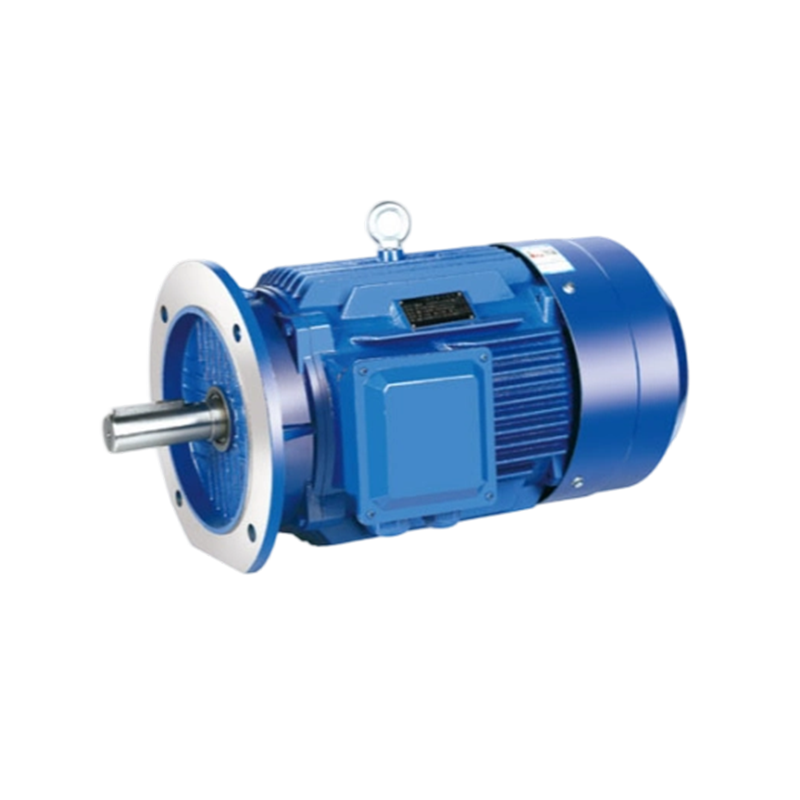
Making Sense of Motors and VFDs: A No-Nonsense Field Guide
What You’re Really Getting with Industrial Asynchronous Motors
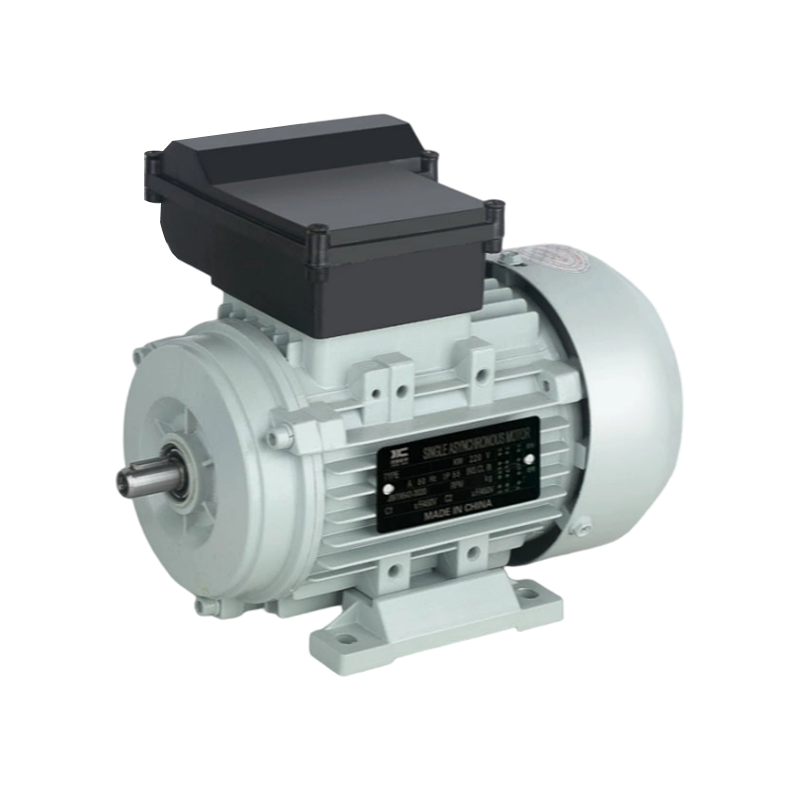
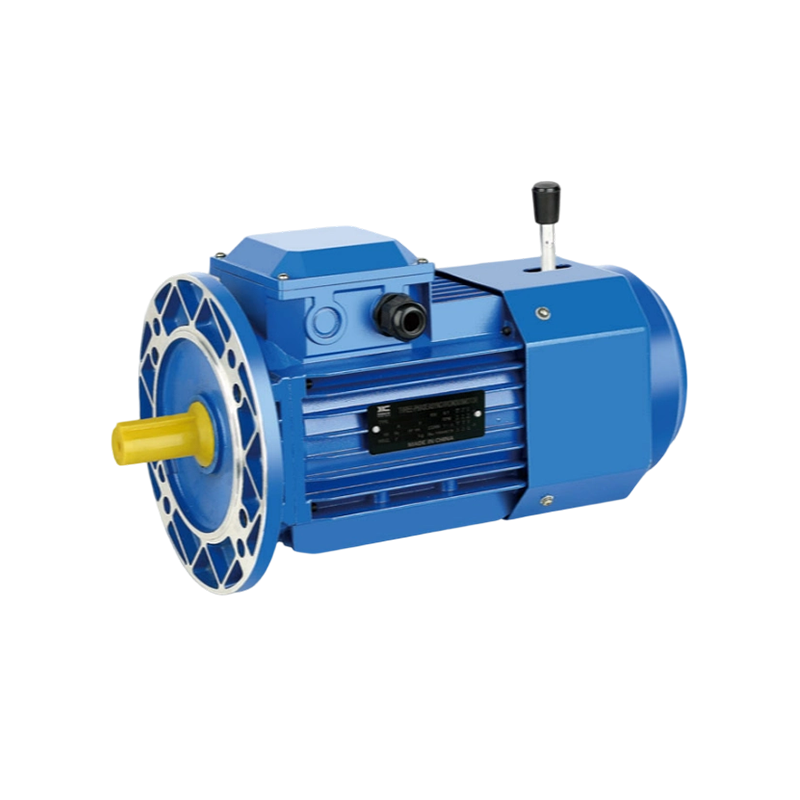
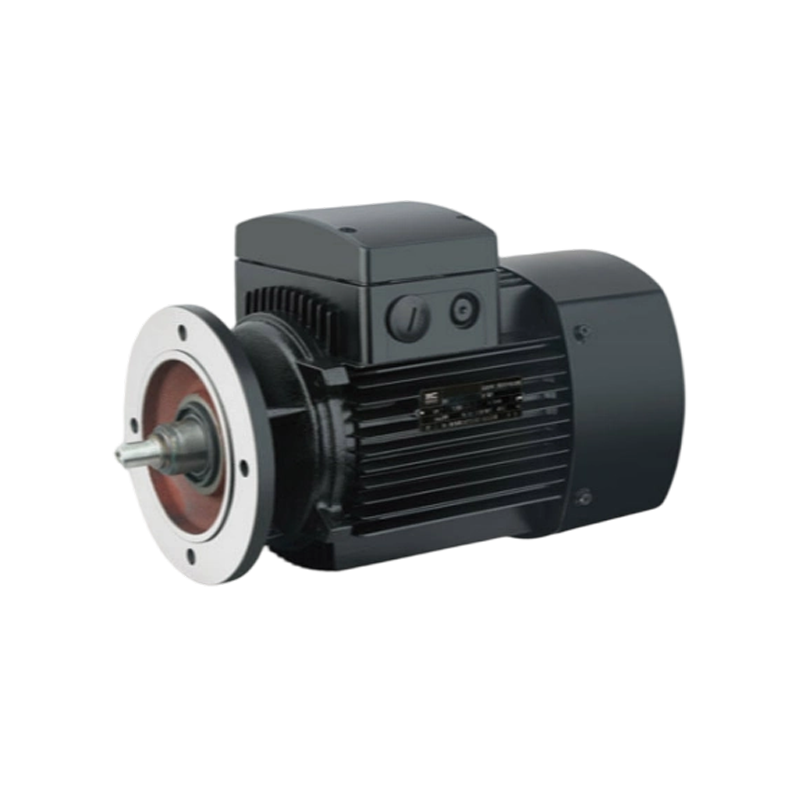
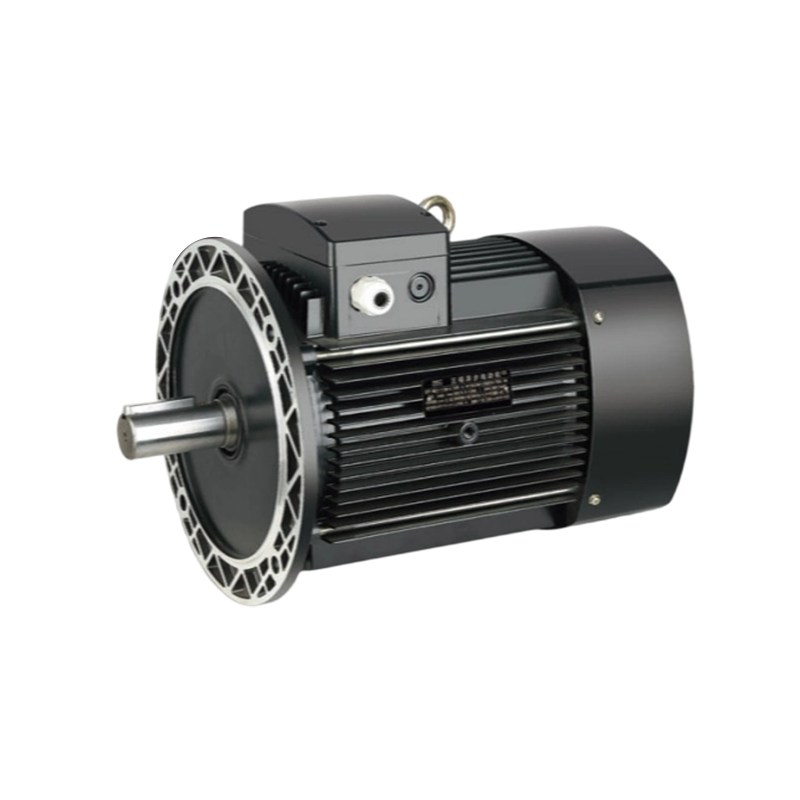
Walk into almost any plant, and the hum you hear is coming from asynchronous motors—commonly called induction motors. They’re everywhere because they’re simple and tough. But here’s the thing: they don’t spin in perfect sync with the power line. That lag, which we call "slip," usually hangs around 1% to 3%. It’s not a shortcoming. In fact, without that slip, you wouldn’t get the rotor currents that produce torque in the first place.
Squirrel-Cage vs. Wound-Rotor: The Core Choice
The real decision point comes down to what’s inside the rotor.
For most standard jobs, you’ll see squirrel-cage rotors. These are just cast aluminum or copper bars, shorted at the ends. No brushes, no rings, nothing to wear out. They handle fixed-speed work like a champ—conveyors, fans, and pumps are their natural habitat.
Then there’s the wound-rotor design. These have actual windings and slip rings, with external resistors to play with. They cost more to maintain, no doubt about it. But when you’re starting a heavy load—think crane hoists or ball mills—that extra adjustability for starting current and torque is a lifesaver.
Key Takeaway:
- Squirrel-cage: Lowest maintenance, best for steady, fixed-speed runs.
- Wound-rotor: Higher upkeep, but gives you tunable starting torque for heavy or intermittent loads.
Efficiency Classes and the Payback Question
Efficiency is a whole other layer. IE3 and IE4 ratings are becoming the baseline across Europe and much of North America. They aren't cheap. Better copper, thinner steel laminations, and tighter gaps cost money. But if that motor runs close to full-time—say, over 4,000 hours a year—that premium usually gets recouped in power savings within a couple of years.
| Feature | Squirrel-Cage | Wound-Rotor |
| Rotor guts | Cast bars, no contacts | Coils, slip rings, and brushes |
| Starting grunt | Good, but fixed | Excellent, and tunable |
| Speed control | Needs a VFD for any real flexibility | Handles it natively with resistors |
| Maintenance headaches | Almost none | Regular brush/ring checks |
| Usual spots | Compressors, pumps, belt drives | Heavy lifts, mills, draglines |
How to Zero In on the Right VFD for Your 3-Phase Gear
Picking a variable frequency drive is one of those tasks that seems straightforward—until you get into the weeds. If you just match horsepower numbers, you're asking for trouble. I've watched perfectly good motors get cooked or trip endlessly because someone ignored the fine print.
Start with Amps, Not Horsepower
Start with full-load amps. That's your real guide. The VFD limits current, not horsepower. Oversize it just because you have a big motor, and you'll actually lose low-end torque performance. For constant-torque loads—extruders, conveyors, that sort of thing—size the drive for at least 125% of the motor's FLA. For pumps and fans, where torque varies, 110% is usually enough.
Key Takeaway:
- Constant torque (conveyors, mixers): Size VFD to 125% of motor FLA.
- Variable torque (pumps, fans): Size VFD to 110% of motor FLA.
Choose Your Control Mode Wisely
Control mode is where the money meets the road. You have three basic paths:
- V/Hz (scalar): It's simple and cheap. Good enough for basic fans, but don't expect precision speed holding.
- Sensorless vector: This one gives you torque at near-zero speed without an encoder. That's a big deal for hoists or mixers that need to start under load.
- Closed-loop vector: You need an encoder for this. It delivers servo-class accuracy, which matters for synchronized lines or positioning tables.
Don't Forget the Environment and Communications
Then look around your plant. Is it hot? VFDs derate as the temperature climbs—about 1.5% per °C above 40°C. Dusty? Wet? You'll want NEMA 4X or IP66 enclosures. And don't skip on line reactors or DC chokes. Harmonics cause more than just heat; they can glitch out your PLCs and other controls.
One more thing—think about how this drive will talk to the rest of your world. EtherNet/IP, Profinet, Modbus TCP—that's the future. RS-485 is cheap but leaves you blind for predictive maintenance, which is becoming a must-have in modern plants.
Quick Walkthrough for Sizing:
- Match current rating to motor FLA, not HP.
- Figure out your load profile: constant torque or variable?
- Check what starting torque you actually need—maybe 150% for a full minute.
- Account for ambient heat and altitude derating.
- Plan harmonic suppression (reactors or active front ends).
- Make sure the drive's network protocol fits your control architecture.
Pairing Induction Motors with VFDs: What to Watch For
Once you decide to use a VFD, you can't just grab any motor off the shelf. The combination saves energy and adds flexibility, but it also introduces stresses that standard motors weren't built to handle.
Insulation and Bearing Protection Are Non-Negotiable
Look for inverter-duty on the nameplate. That tells you the insulation is beefed up—Class F or H—and the windings are arranged to survive voltage spikes caused by reflected waves. You'll also find shaft grounding to prevent bearing currents that pit and ruin bearings. Run a standard motor on a drive, and you're not just taking a chance; you're typically voiding the warranty. I've seen it happen, and it's always expensive.
Key Takeaway:
- Must-have features for VFD use: Inverter-duty insulation, Class F or H, and shaft grounding.
- Using a standard motor? Expect shortened life and a voided warranty.
Speed Range and Cooling Trade-Offs
Speed range matters more than people think. A standard ODP motor, without auxiliary cooling, is usually limited to a 2:1 constant-torque range. TEFC designs lose their cooling fan efficiency at low RPM. If you're planning to run slow for extended periods, you either need an auxiliary blower or a motor rated for a 10:1 or higher speed range.
The V/Hz Curve and Thermal Protection
Also, pay attention to the V/Hz curve. For a 460V motor, the VFD can put out 460V up to 60 Hz. Below that, the voltage drops to keep the ratio constant. But if your application needs constant horsepower above base speed—like a spindle—you'll need a motor with a higher base frequency (90 or 120 Hz) and a VFD capable of field-weakening.
Finally, thermal protection isn't optional. Use PTC thermistors or thermostats integrated into the motor. Standard overload relays won't cut it because they can't track the unique heating patterns of inverter-fed power. A proper motor protection relay with I²t thermal memory is the only safe way to handle restarts after a trip.
Key Takeaway:
- Low-speed operation? Plan for extra cooling or a wide-speed-range motor.
- For thermal safety, use PTC thermistors and a relay with I²t memory—standard overloads are not enough.


