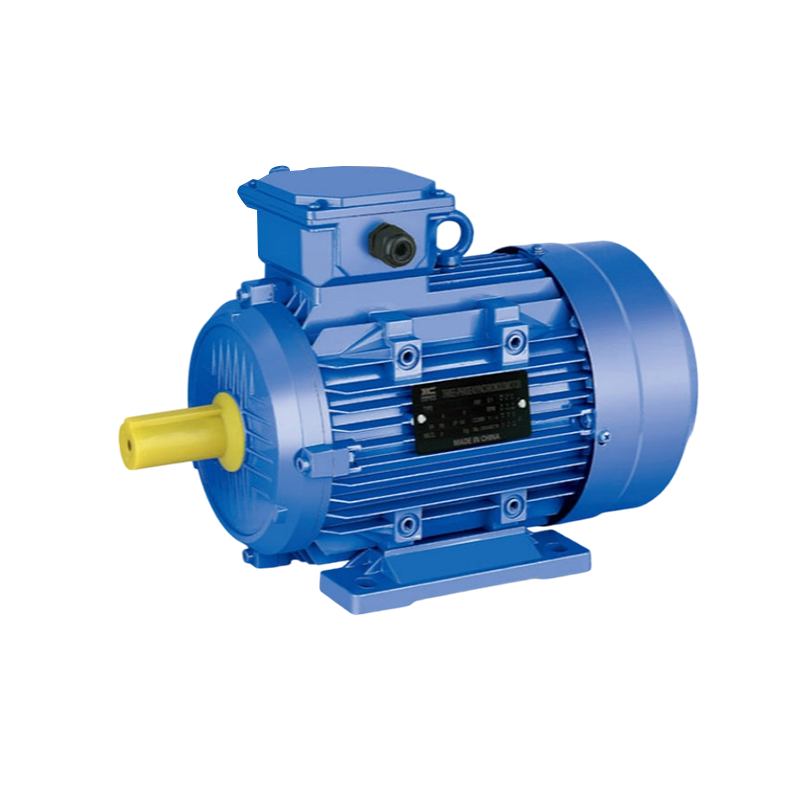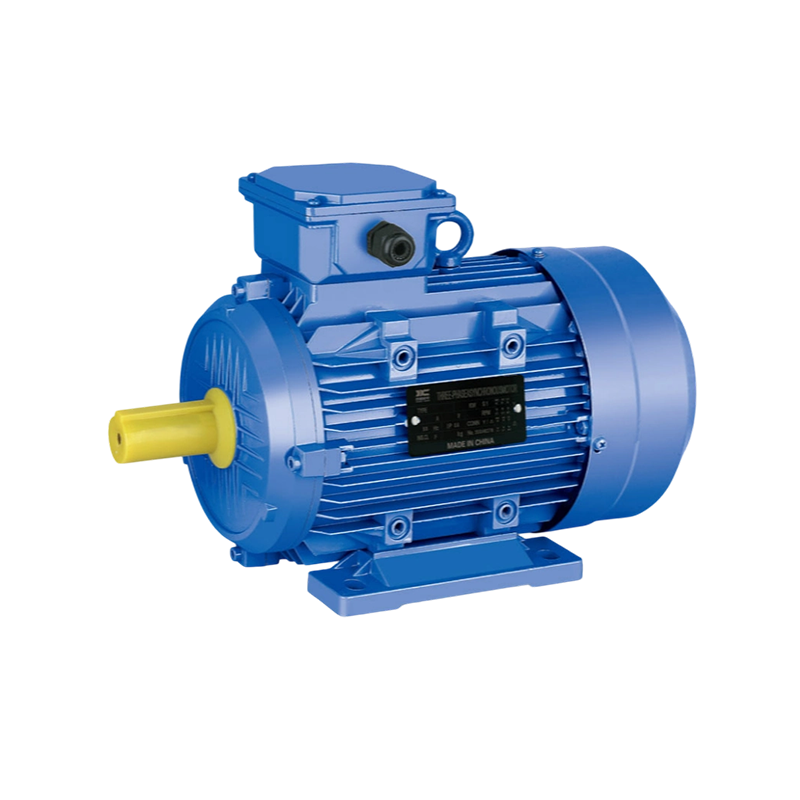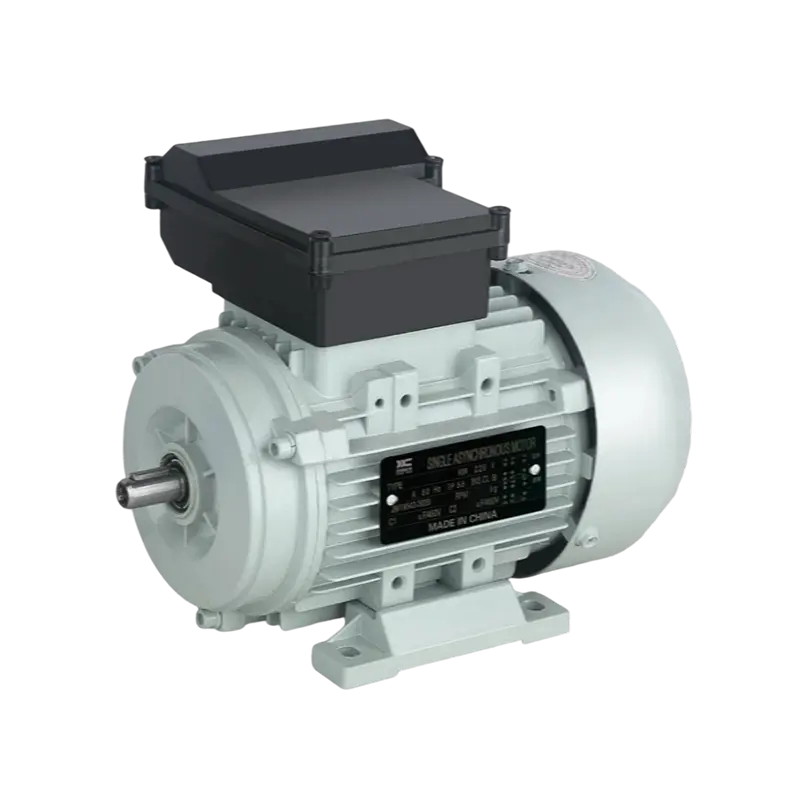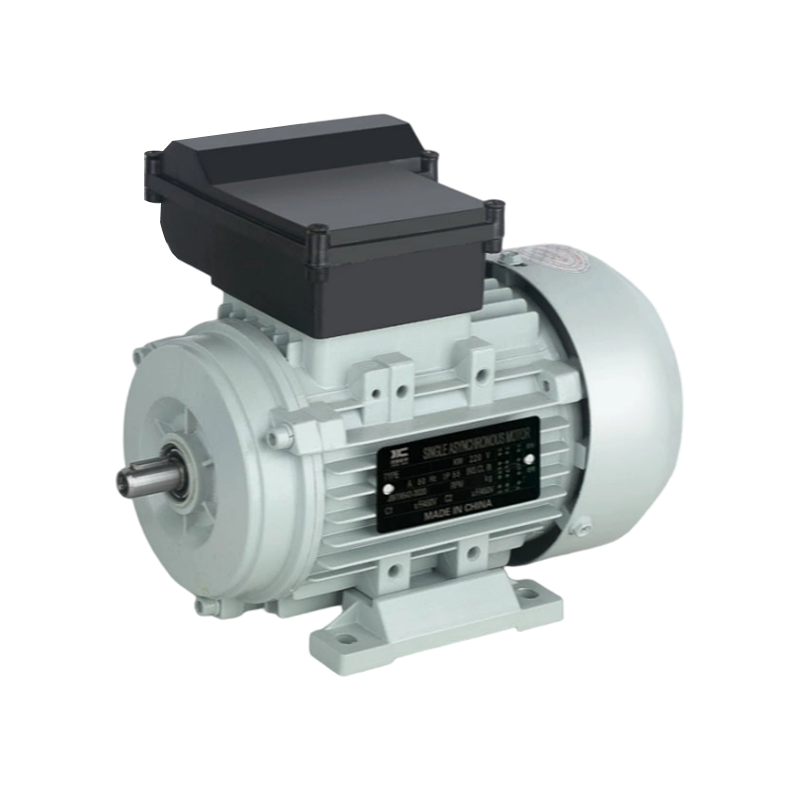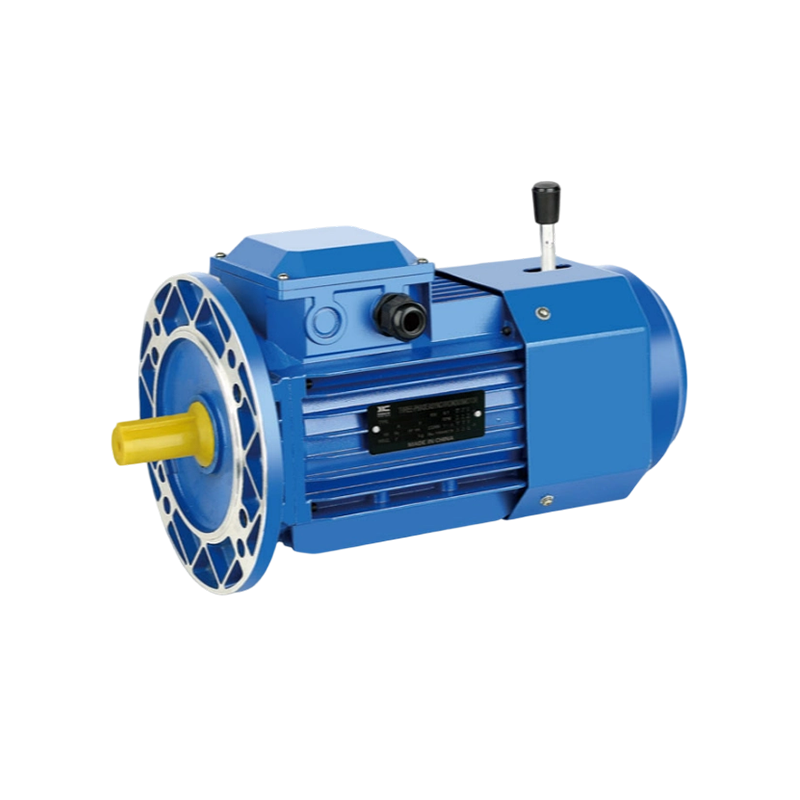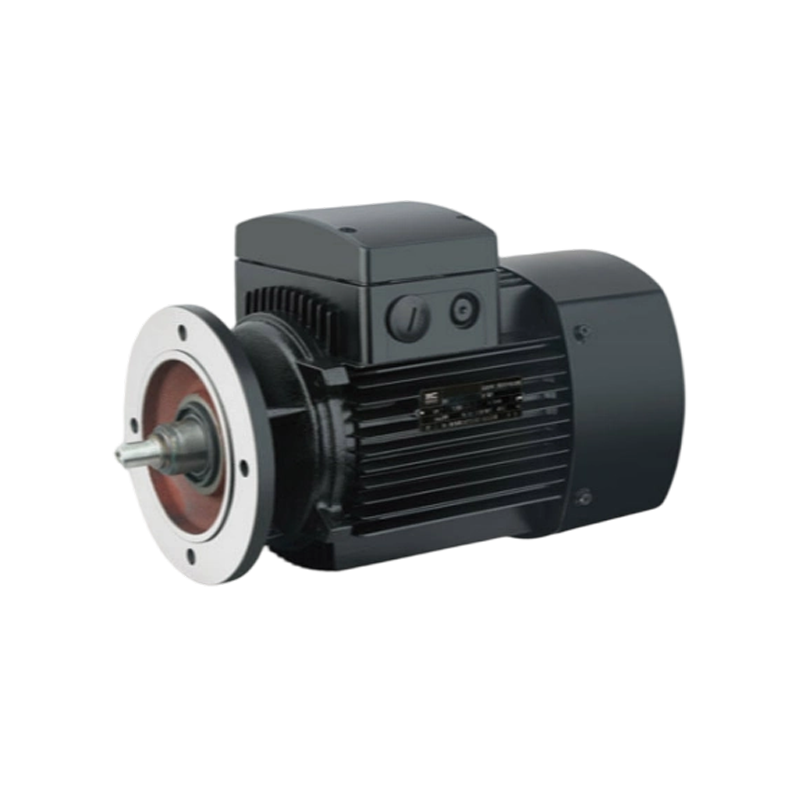

Starting behavior can determine whether a single-phase motor accelerates smoothly or struggles against its mechanical load. Within a capacitor run asynchronous motor, the capacitor is not simply an additional electrical component. It helps establish the phase relationship between the main and auxiliary windings, directly influencing the magnetic field produced during operation.
Capacitance therefore deserves close attention during motor design. A value that is too low can limit auxiliary-winding current and starting torque, while excessive capacitance can shift the operating point away from the intended electrical balance.
Single-phase induction motors need a phase difference between winding currents to create a rotating magnetic field. Adding a capacitor to the auxiliary winding changes its current phase relative to the main winding. A phase difference approaching 90 degrees can increase the starting torque available from the two winding system.
This relationship explains why simply installing a larger capacitor does not guarantee stronger motor starting performance. Capacitance needs to work together with winding resistance, inductance, supply voltage, and frequency.
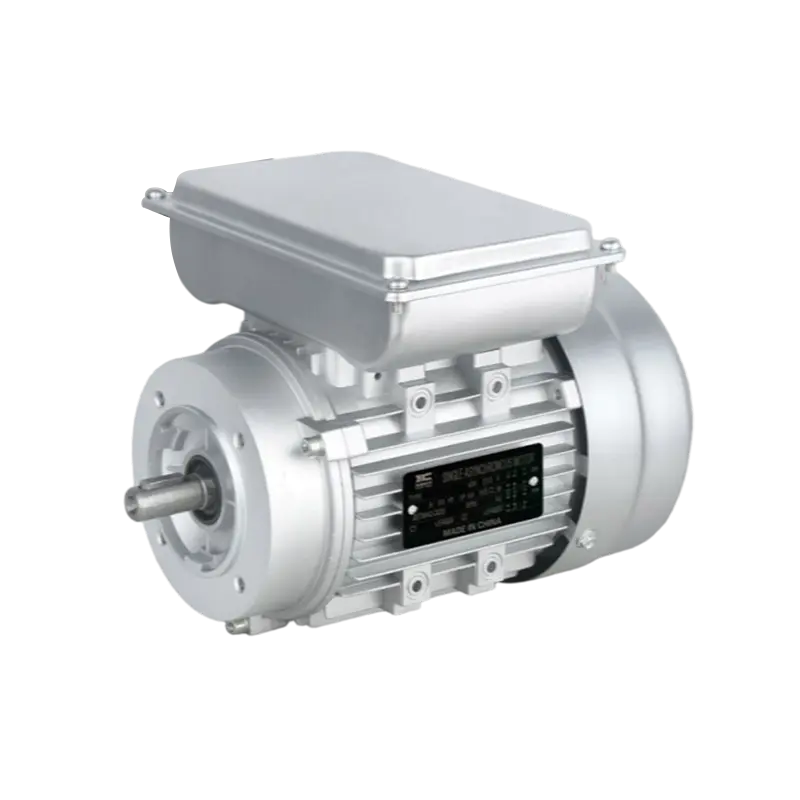
Permanent capacitor motor designs keep the capacitor connected during normal operation. This differs from capacitor-start motors, where the starting capacitor is disconnected after acceleration. Capacitor-run designs therefore require a capacitance value that provides a practical balance between starting torque and running characteristics.
Typical capacitor-run motors may use capacitance values of only a few microfarads in small applications. One technical example describes a capacitor-run motor using approximately 3 μF on the auxiliary winding, with the required value changing according to supply frequency.
Frequency changes the capacitive reactance. As a result, the same motor design may require a different capacitor value under 50 Hz and 60 Hz operation. Technical motor references specifically note that capacitor ratings need adjustment according to supply frequency.
Increasing capacitance can raise current in the auxiliary winding, but additional current does not automatically translate into proportional torque improvement. The resulting phase angle may move away from the target relationship, while winding current and electrical stress can increase.
Such behavior is particularly important for a capacitor run asynchronous motor because its capacitor remains connected throughout operation. A value suitable for startup also needs to remain compatible with the motor's running condition.
Motor applications present very different starting demands. A fan with a relatively light starting load does not require the same starting characteristics as a compressor or pump that must overcome substantial resistance at zero speed.
Capacitor-run motors are commonly associated with fan-type loads, while applications requiring stronger starting torque may use different capacitor arrangements.
Some single-phase motor designs use separate starting and running capacitance. A larger capacitor can provide stronger starting characteristics, then a smaller running capacitor remains connected after the motor reaches operating speed. Technical references describe this arrangement as a way to address the conflicting requirements of starting torque and running performance.
Such a configuration can be useful where a motor needs stronger acceleration than a permanent run capacitor can provide alone. Switching may occur through a centrifugal mechanism, relay, or electronic control depending on the motor architecture.
Capacitance has a direct connection with the electrical balance of a single-phase induction motor. Too little capacitance can weaken the phase relationship and reduce starting torque, while excessive capacitance can increase auxiliary current without providing proportional torque gains.
That balance becomes particularly important with a capacitor run asynchronous motor, where the capacitor remains active during normal operation. Matching capacitance with winding characteristics, supply frequency, voltage, and load conditions provides a more reliable basis for evaluating motor starting behavior than simply increasing the capacitor rating.
Your email address will not be published. Required fields are marked*
We aim to provide the market and the customers with
high-quality products and customized solutions.
 Zhaoyang Industrial Zone, Daxi Town, Wenling City, Taizhou City, Zhejiang Province, China
 +86-13615760288
  +86-576-86398088


 English
 中文简体
中文简体 русский
 Español