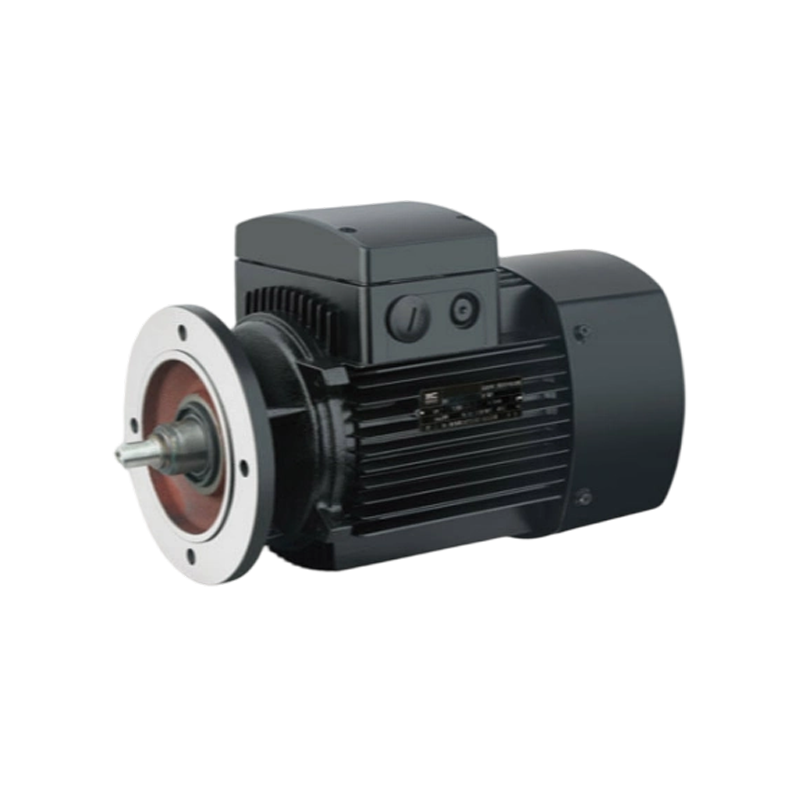
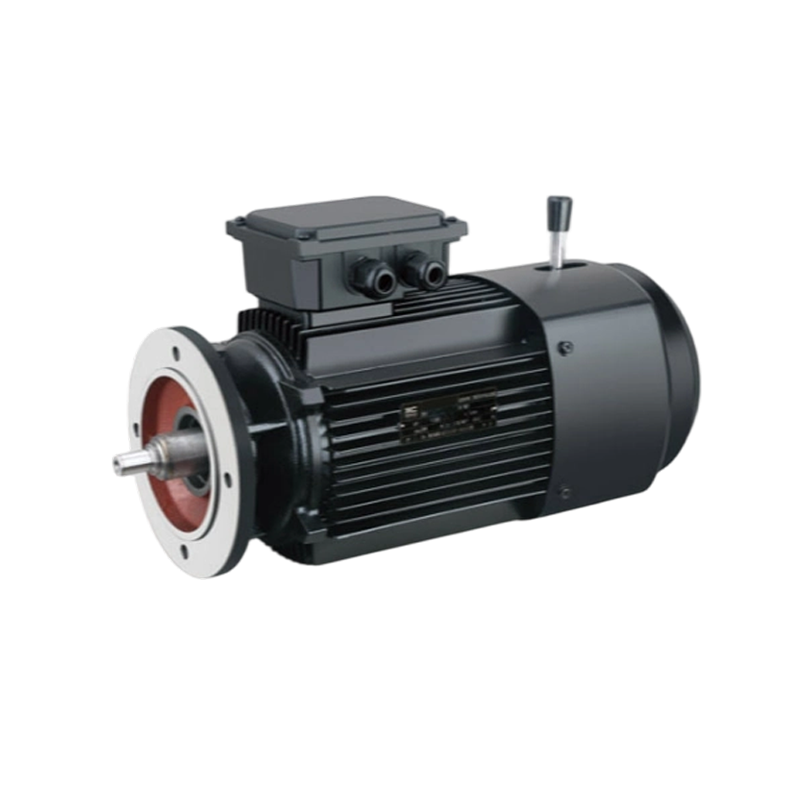
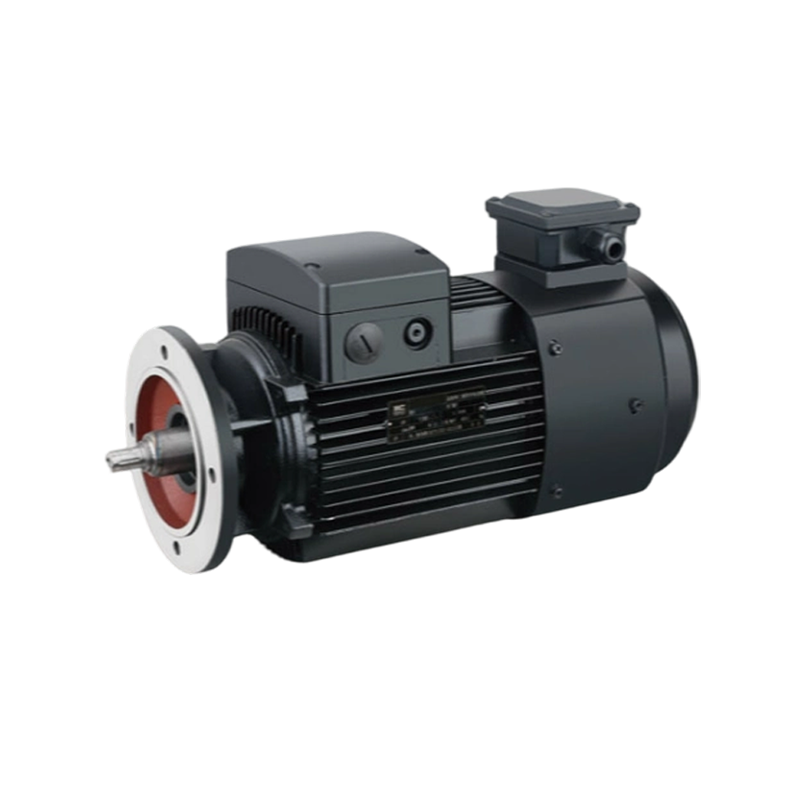
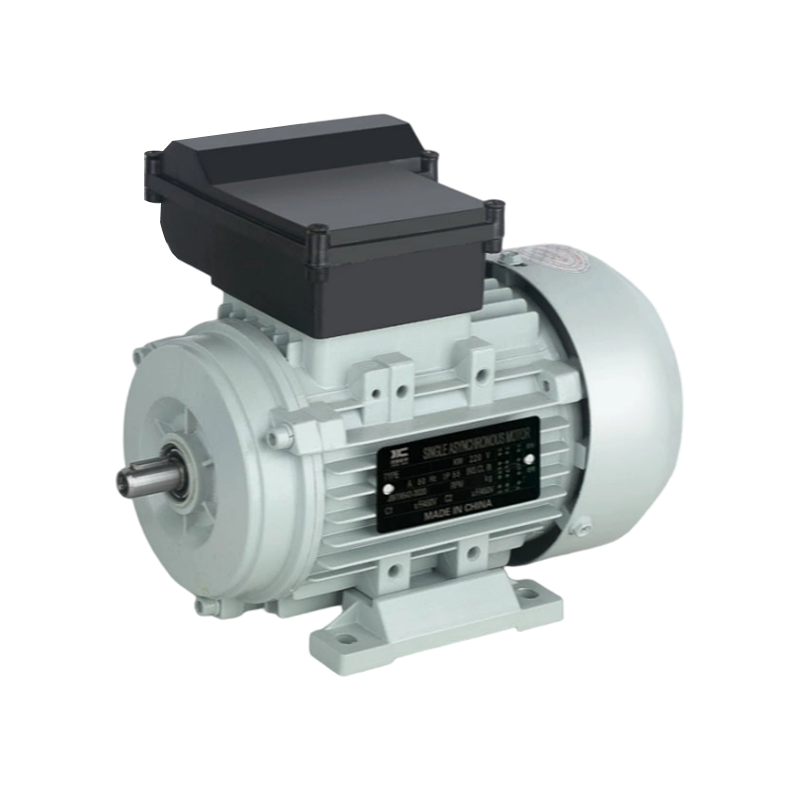
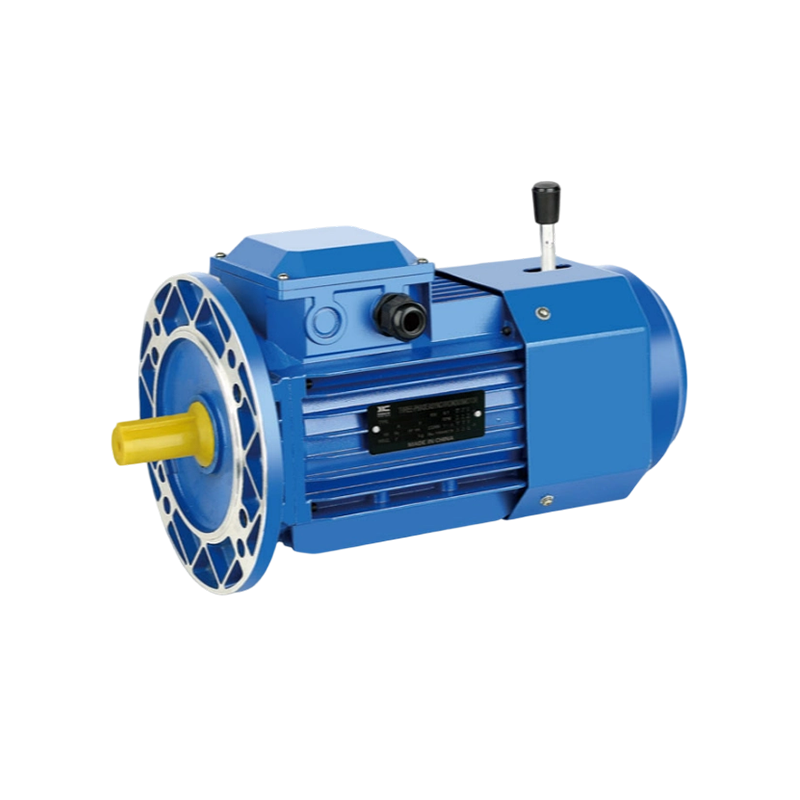
Basic Three Phase Motor: Selection, Operation and VFD Benefits
Knowing your load first is getting the motor right. A wrong choice will waste energy or will not start reliably.
Know Your Load Type
Fans and pumps are variable-torque loads. The torque you need rises with the square of speed. Run at 80% speed and you only need about 64% torque. Power drops even more dramatically—cubed, actually. That's where the big energy savings come from.
Conveyors and extruders are constant-torque loads. They need the same torque across the speed range. You size these differently—the motor has to deliver full torque wherever you set the speed.
Machine tools and winders are constant-horsepower. Less common, but they need careful matching with the drive.
Efficiency Classes
IE3 is the minimum for most new motors in Europe and North America. Go IE4 if the motor runs more than 4,000 hours a year—the payback usually lands within two years. IE5 is for specialized applications where energy costs are extreme or carbon targets drive the decision.
Quick Sizing Guide
| Load |
Service Factor |
Efficiency Pick |
Typical Use |
| Fans, pumps |
1.0–1.15 |
IE3 or IE4 |
HVAC, water, centrifugal pumps |
| Conveyors |
1.15–1.25 |
IE3 |
Assembly, material handling |
| Heavy conveyors |
1.25+ |
IE2 (upsize) |
Crushers, heavy drag lines |
Don't Forget the Environment
Above 1,000 meters altitude? Derate the motor—about 1% per 100 meters. Ambient over 40°C? Derate again, roughly 5°C per step. Enclosure matters too. TEFC is the standard. ODP is fine for clean indoor spaces. Washdown or corrosive areas? Look at TENV with auxiliary cooling.
How does a three-phase AC electric motor work, and what creates the rotating magnetic field?
Understanding the basics helps with troubleshooting. It's practical knowledge that saves time on the floor.
The Rotating Field
The stator holds three sets of windings, each spaced 120° apart. Feed them three-phase power and each phase current peaks at a different moment. The magnetic field they create literally spins around the stator.
That spin speed—called synchronous speed—depends on frequency and pole count:
- 2 poles: 3,600 RPM (60 Hz)
- 4 poles: 1,800 RPM
- 6 poles: 1,200 RPM
- 8 poles: 900 RPM
Rotor and Slip
The rotor sits inside the stator. As the field sweeps past the rotor bars, it induces currents. Those currents make their own magnetic field, which interacts with the stator field to create torque.
But the rotor can never quite catch the field. If it did, induction would stop. That speed difference is slip—normally 1–3% at full load.
The Torque Curve
Starting torque has to beat the load. Pull-up torque carries it through acceleration. Breakdown torque is the peak the motor can produce. Full-load torque is what it delivers at rated speed. Match these to your application or the motor won't start or will stall.
What are the benefits of using a Variable Frequency Drive (VFD) with a three-phase motor?
Variable frequency drives are standard equipment now, not optional extras. Here's what they deliver.
Energy Savings
For pumps and fans, the affinity laws rule:
- Flow follows speed
- Pressure follows speed squared
- Power follows speed cubed
Run a fan at 80% speed and you use about 50% of full-speed power. That's not a typo. For continuous duty, payback often comes in months.
Control and Soft Starting
VFDs let you set speed precisely. No throttling valves. No damper adjustments. Changes are instant and repeatable.
Control modes:
- V/Hz for basic fans and pumps
- Sensorless vector for hoists and mixers
- Closed-loop vector for precision positioning
Soft starting eliminates the current spike—down from 600% to maybe 150% of FLA. Less shock to belts, gears, and couplings. Equipment lasts longer.
Diagnostics
Modern VFDs report current, speed, torque, and temperature. That data feeds predictive maintenance. It also helps with energy reporting and carbon tracking.
| Benefit |
What You Get |
Best Application |
| Energy cut |
20–50% less |
Fans, pumps |
| Speed accuracy |
±0.1% |
Conveyors, synchronized lines |
| Soft start |
Less wear |
High-inertia loads |
| Data |
Predictive maintenance |
Critical processes |


 English
 中文简体
中文简体 русский
 Español