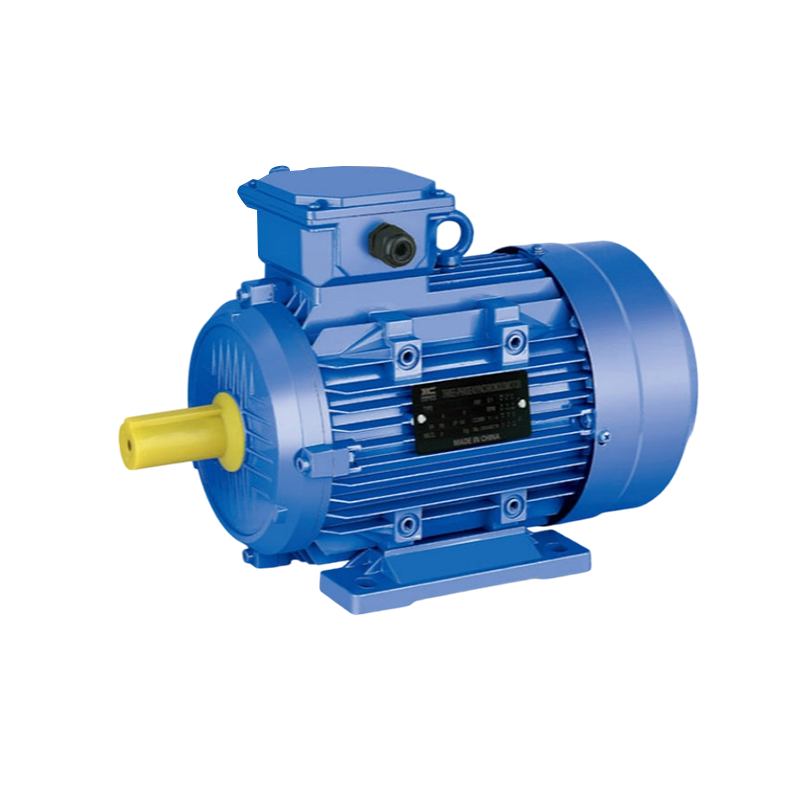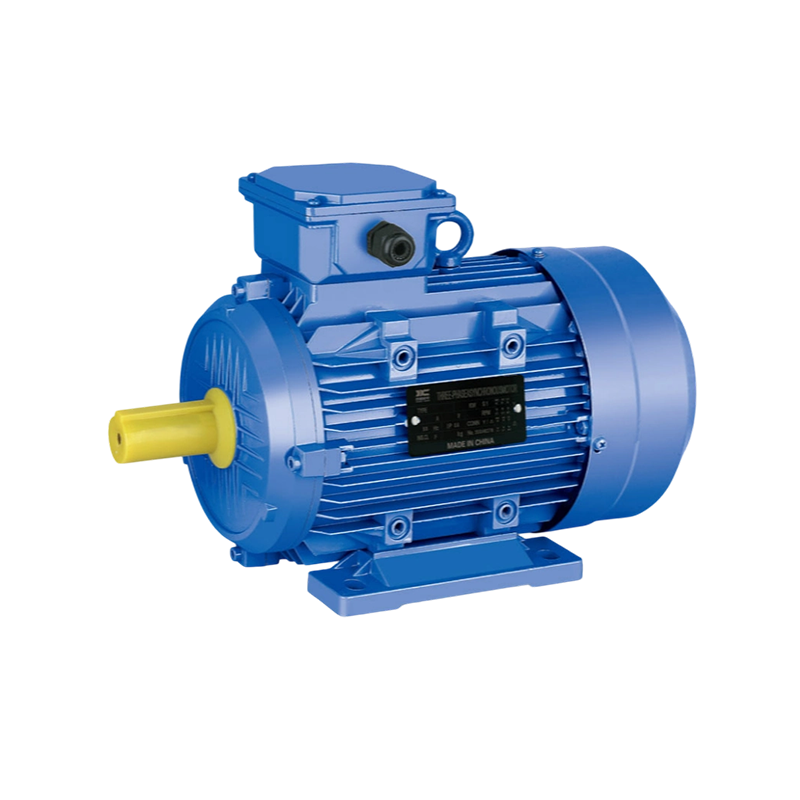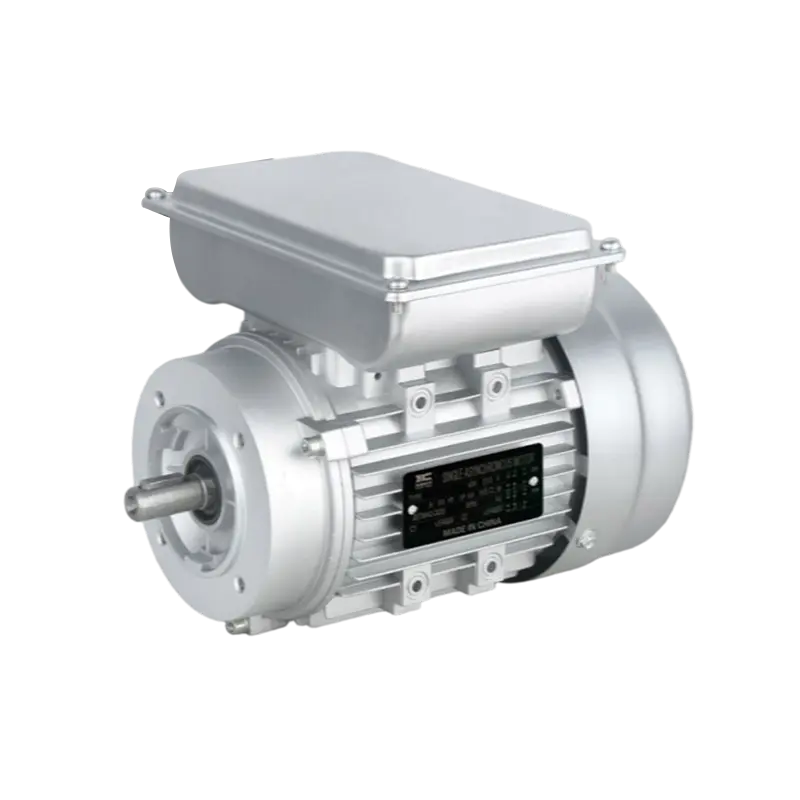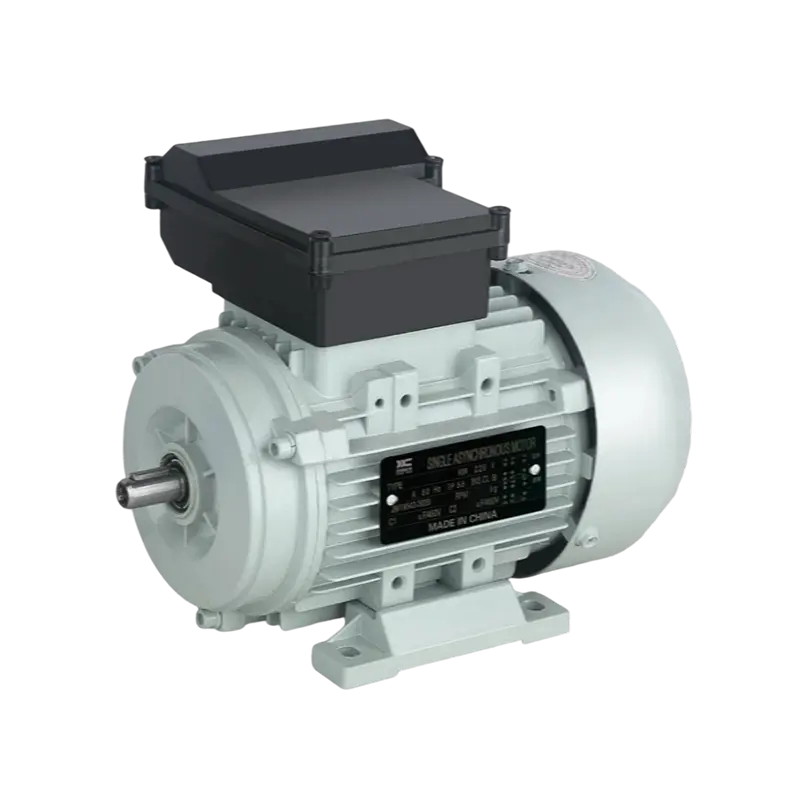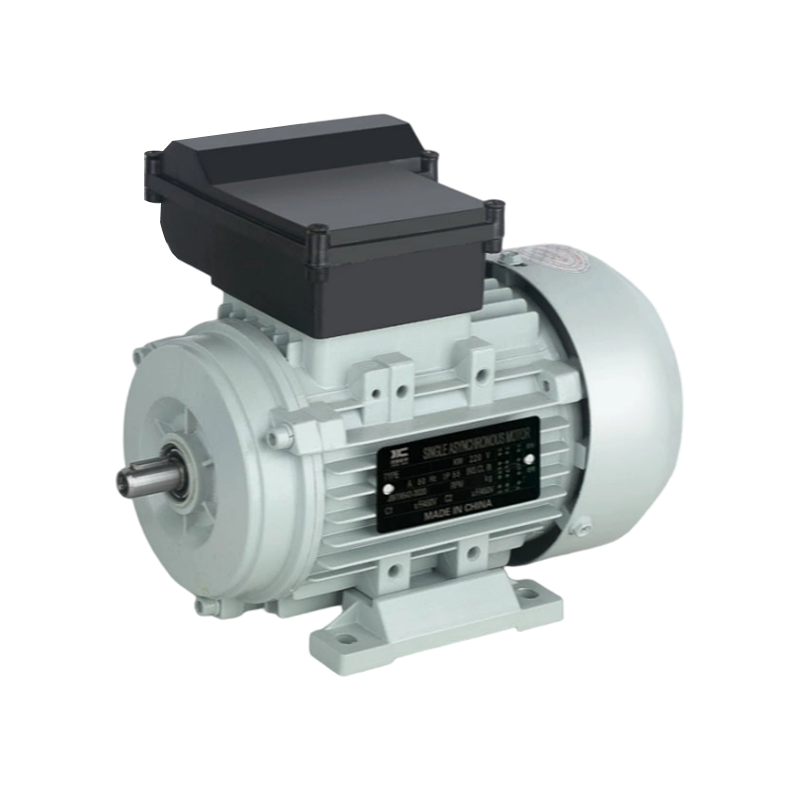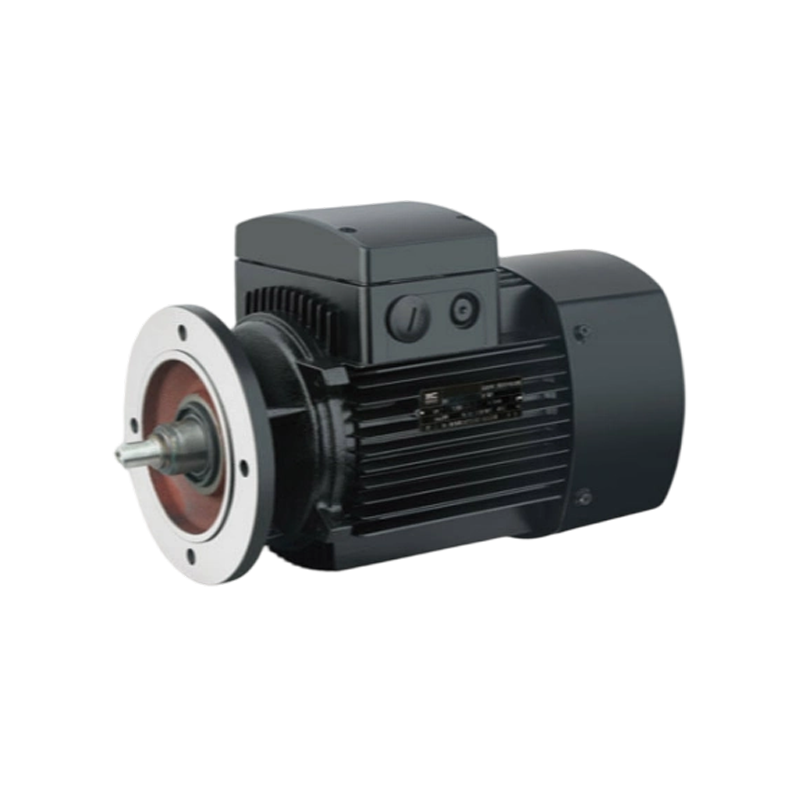

Industrial equipment often operates in environments where motors face continuous vibration, mechanical stress, dust exposure, and frequent starting demands. Under these conditions, the motor housing is not simply a protective cover. The material and structure of the housing can influence mechanical strength, stability, heat management, and service reliability.
Iron Shell Single Phase Motors remain a practical solution for equipment that requires a durable motor structure with stable performance under demanding working conditions. Compared with lightweight motor housing designs, iron shell structures provide a rigid frame that supports applications such as pumps, compressors, conveyors, fans, and general industrial machinery.
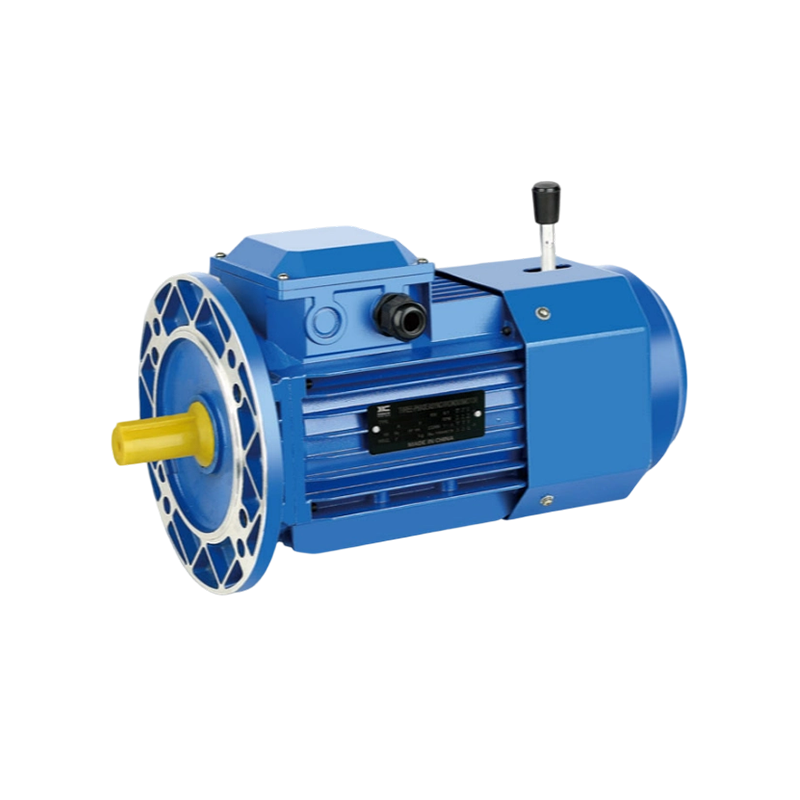
A motor operates through continuous electromagnetic conversion and mechanical rotation. During operation, the housing must protect internal components including stator windings, rotor assemblies, bearings, and electrical connections.
Industrial equipment may experience external impacts, vibration from connected machines, temperature changes, and long operating cycles. A stronger housing structure helps maintain the alignment between internal components and reduces the influence of mechanical stress on motor operation.
Many industrial machines cannot avoid harsh operating conditions. Pumps may work near moisture, compressors may experience repeated load changes, and conveyors may run for extended periods with variable material loads.
An iron shell motor provides additional structural support in these situations. The rigid housing helps protect internal electrical components while maintaining accurate mechanical positioning during operation.
Manufacturers of industrial motors commonly provide cast iron or iron-frame single-phase models for applications including fans, compressors, pumps, cranes, conveyors, and grinders.
Motor vibration is influenced by several factors, including rotor balance, bearing condition, installation accuracy, and housing rigidity. A strong motor frame helps maintain the relationship between these components.
A rigid iron shell design can reduce deformation caused by external forces and provide a stable mounting base. This characteristic is especially useful in equipment where the motor is directly connected to pumps, belts, pulleys, or mechanical transmission systems.
A suitable motor configuration depends on the equipment requirements rather than housing material alone. Technical specifications should be reviewed together to ensure proper matching.
Many industrial machines experience their highest mechanical demand during startup. A pump filled with fluid, a compressor under pressure, or a loaded conveyor may require stronger starting torque compared with an unloaded machine.
Single-phase motors typically use capacitor-start or capacitor-run systems to create the additional phase shift required for starting performance. Proper capacitor selection and winding design influence startup behavior and running stability.
A motor that operates well under normal running conditions may still need additional evaluation if the equipment creates high startup resistance.
Industrial environments vary significantly. A motor installed inside a clean workshop faces different challenges compared with equipment installed near water, dust, or processing materials.
The IP rating indicates the level of protection against solid particles and water exposure. Higher protection levels are often considered for environments with increased contamination risks.
Even a durable motor requires correct installation to achieve stable operation. Mounting position, shaft alignment, coupling design, and ventilation space can influence working conditions.
The demand for compact equipment does not remove the need for durable motor structures. Many machines still operate under vibration, repeated loading, and challenging environmental conditions where mechanical strength remains an important consideration.
Iron Shell Single Phase Motors provide a combination of structural stability, practical specifications, and application flexibility for pumps, compressors, fans, conveyors, and other industrial equipment. Their robust housing design allows them to serve applications where dependable mechanical support is required.
As equipment requirements continue to change, motor selection is becoming more application-focused. Housing structure, starting characteristics, protection level, power rating, and installation conditions all work together to determine whether a motor can match the demands of a specific machine. A well-matched iron shell motor can provide stable operation and reliable support throughout the equipment's working process.
Your email address will not be published. Required fields are marked*
We aim to provide the market and the customers with
high-quality products and customized solutions.
 Zhaoyang Industrial Zone, Daxi Town, Wenling City, Taizhou City, Zhejiang Province, China
 +86-13615760288
  +86-576-86398088


 English
 中文简体
中文简体 русский
 Español