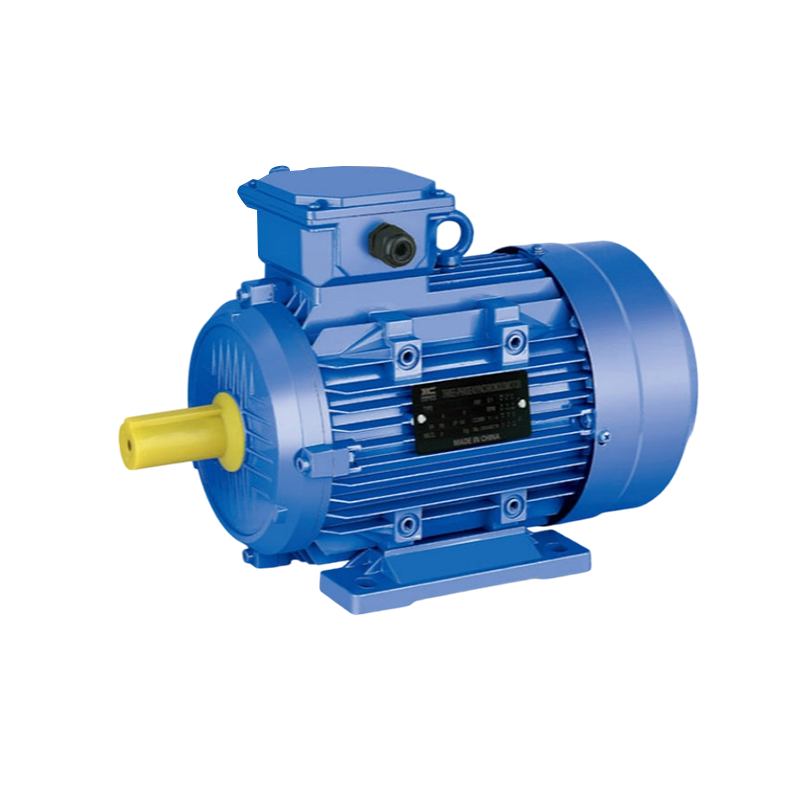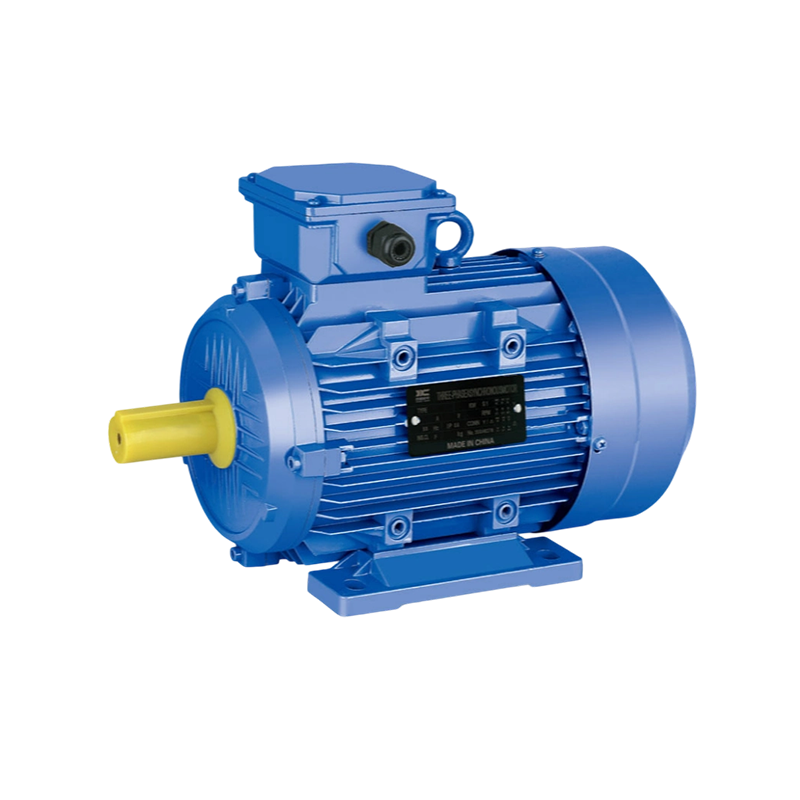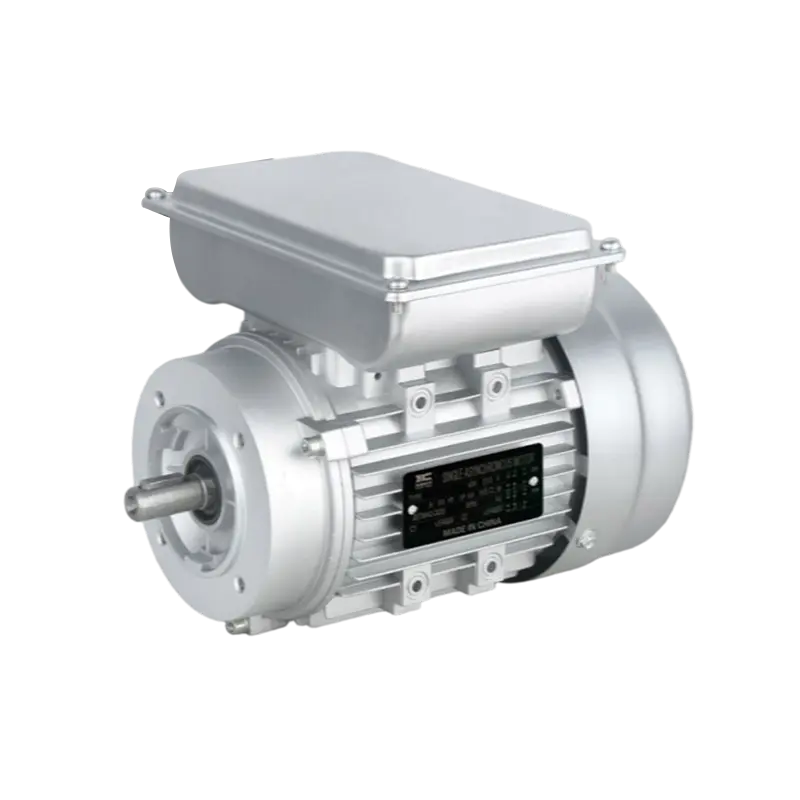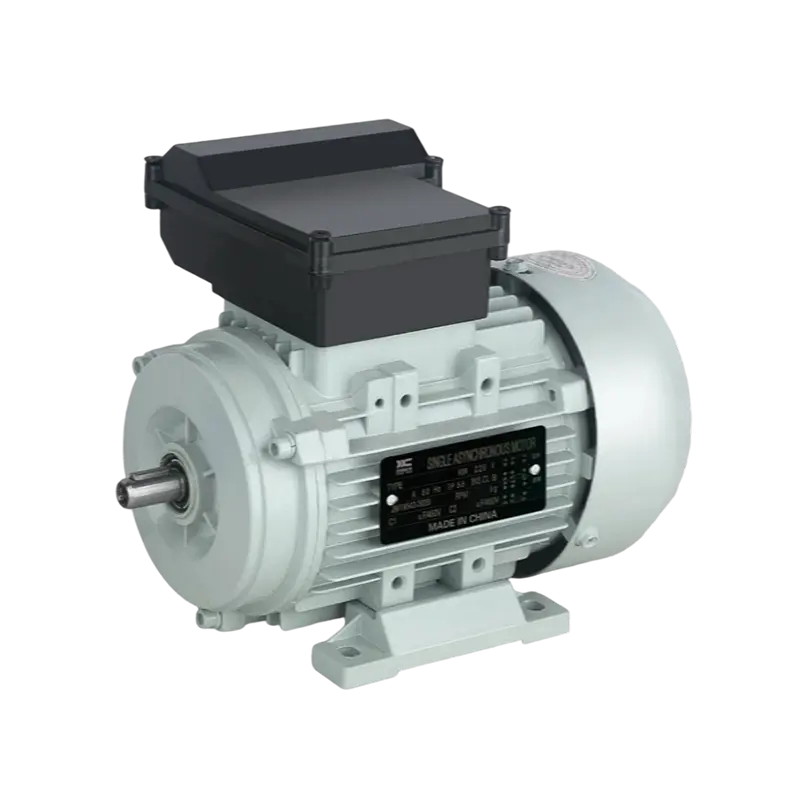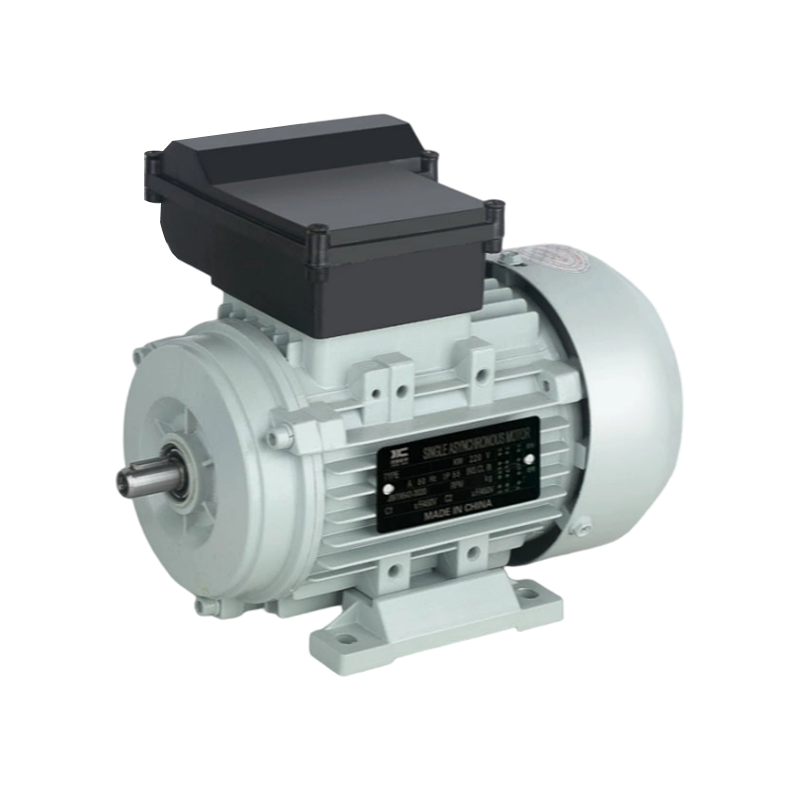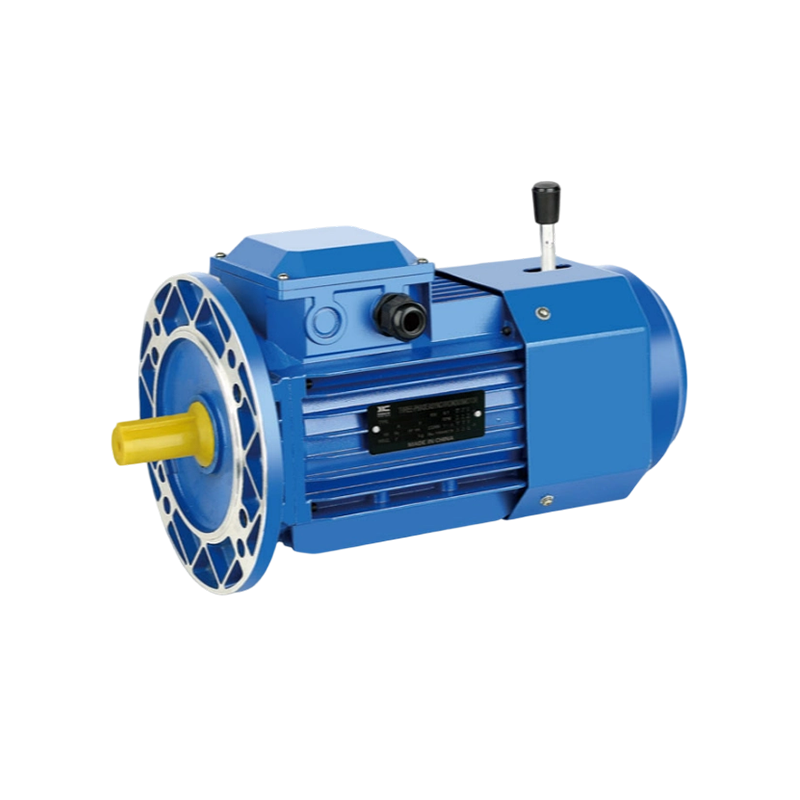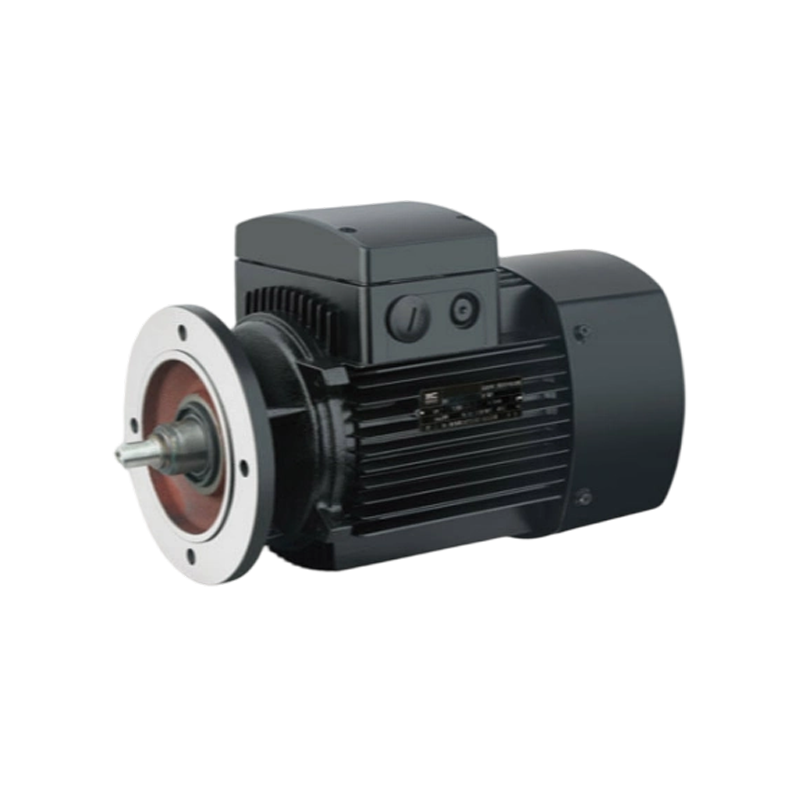

Modern equipment development is placing greater attention on compact structures, flexible installation, and efficient component arrangement. A motor is no longer viewed as an independent power unit; it has become an important part of the complete machine design. Housing material, internal electrical structure, mounting dimensions, and thermal behavior all influence how well a motor can integrate into different applications.
The Aluminum Housing Capacitor Induction Motor represents a design approach that combines lightweight construction with the operating characteristics required by many small and medium machines. By using an aluminum enclosure together with capacitor induction technology, this type of motor provides a practical solution for equipment requiring single-phase power, stable starting performance, and convenient installation. Capacitor induction motors commonly use auxiliary windings and capacitors to create the rotating magnetic field required for operation.
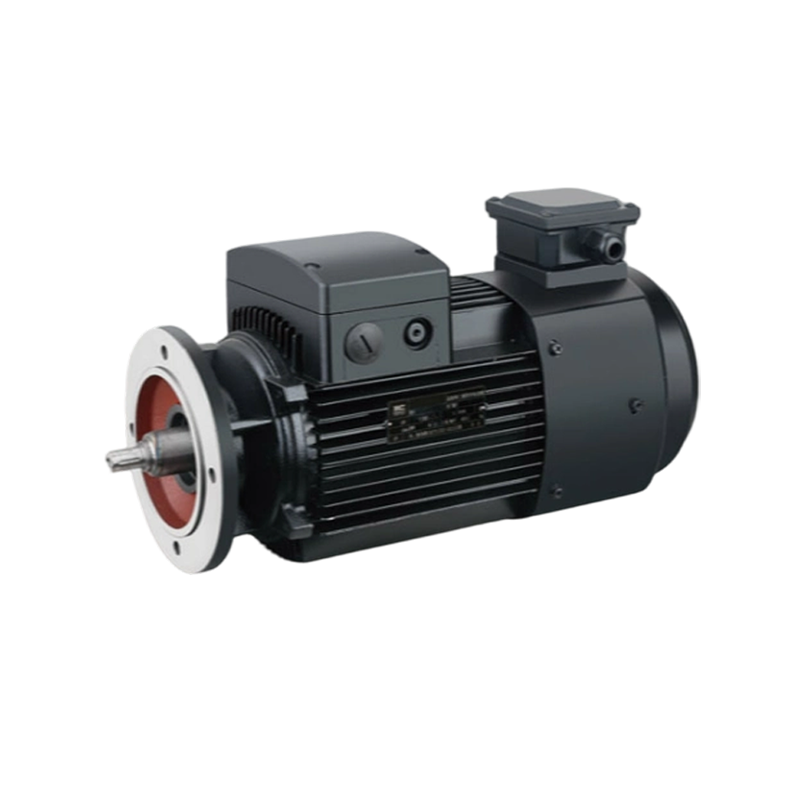
Equipment designers often face limited internal space. Pumps, compressors, fans, medical devices, automation equipment, and commercial machines need motors that can fit into compact structures without reducing mechanical reliability.
The motor housing directly affects the overall machine layout. A suitable housing should provide protection for internal components while supporting heat transfer, mounting stability, and long-term operation.
Traditional motor housings often use cast iron because of their mechanical strength. However, many modern machines require reduced weight, easier handling, and improved space utilization. Aluminum offers a combination of lower density and useful thermal properties, making it suitable for compact equipment designs.
The housing material influences several aspects of motor performance. During operation, electrical losses inside the windings generate heat. Without suitable heat transfer, temperature rise may affect insulation materials, bearing conditions, and overall motor reliability.
Single-phase power systems are widely available in residential, commercial, and light industrial environments. However, a single-phase supply cannot naturally create the rotating magnetic field produced by three-phase systems. Capacitor induction technology solves this challenge by using an auxiliary winding and capacitor to create a phase difference.
A capacitor-start or capacitor-run structure allows the motor to generate starting torque and maintain rotation under normal operating conditions. The capacitor value, winding design, and load characteristics all influence motor behavior.
For example, aluminum housing single-phase capacitor-start induction motors are commonly designed for equipment such as air compressors, pumps, refrigeration systems, and other machines requiring higher starting torque.
A motor must match more than the available power supply. Engineers need to consider mechanical dimensions, electrical specifications, and operating conditions together.
The compact structure of aluminum housing capacitor motors makes them suitable for machines where space and installation convenience are important.
Small water pumps require motors that can fit into limited spaces while maintaining stable rotation. Aluminum housing designs help reduce overall equipment weight and simplify installation.
Compressors often require strong startup performance because the motor may need to overcome pressure resistance. Capacitor-start designs provide additional starting capability for these applications.
Fans and air circulation systems usually operate for extended periods. Lightweight motor structures with effective heat dissipation characteristics can support continuous operation.
Small automation machines often include multiple components within a limited frame. A compact motor housing helps designers arrange mechanical and electrical parts more efficiently.
Reducing equipment size creates new challenges related to heat accumulation. Smaller machines often have less available space for ventilation, making motor thermal design increasingly important.
Aluminum housing designs can assist heat transfer through the motor surface. Some designs also include external cooling fins that increase surface area and improve airflow contact. Research on motor housing structures has highlighted the relationship between aluminum housing design, cooling capability, and thermal stability.
Even a well-designed motor requires proper integration with the machine. Incorrect mounting, insufficient ventilation, or unsuitable electrical connection may affect operating stability.
The development of modern equipment requires motors that work together with the entire machine structure. Housing material, capacitor technology, electrical design, and mechanical dimensions all influence the final application result.
The Aluminum Housing Capacitor Induction Motor provides a balanced approach for compact machines that require lightweight construction, practical installation, and dependable single-phase operation. Its combination of aluminum housing advantages and capacitor induction technology allows it to support a wide range of applications, including pumps, compressors, fans, and automation equipment.
As equipment continues to become smaller and more integrated, motor design will continue focusing on compatibility rather than simple power output. A properly matched motor can help create machines with better structure utilization, stable operation, and flexible application possibilities.
Your email address will not be published. Required fields are marked*
We aim to provide the market and the customers with
high-quality products and customized solutions.
 Zhaoyang Industrial Zone, Daxi Town, Wenling City, Taizhou City, Zhejiang Province, China
 +86-13615760288
  +86-576-86398088


 English
 中文简体
中文简体 русский
 Español