


 English
 中文简体
中文简体 русский
 Español

 +86-13615760288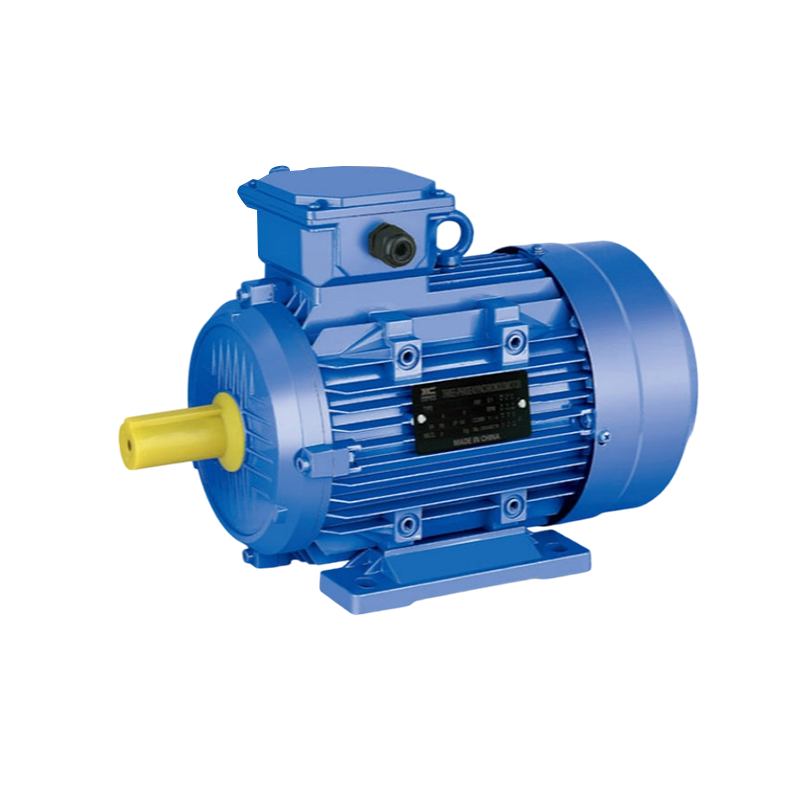
Choosing the Right Motor: Start-Up Strategies, Phase Decisions, and Material Trade-Offs
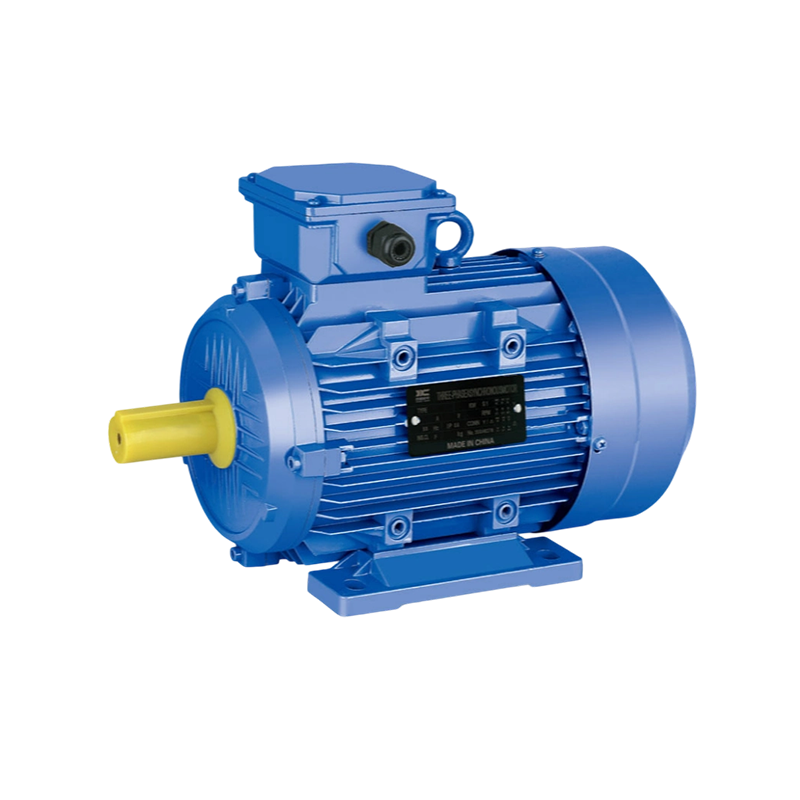
What are the methods for starting 3 phase induction motors?
You've got a three-phase motor sitting on the bench. You need to get it spinning. Seems simple enough—just throw the switch, right? Well, yeah, you can do that. But whether you should is a different question entirely. The starting method you pick affects inrush current, mechanical stress, and how long the motor survives. Let's run through the options.
Direct-On-Line (DOL) Starting
This is the brute-force approach. Connect the motor directly to the supply through a contactor. Full voltage. Instant torque. Nothing fancy. When that contactor closes, the motor sees everything at once—and draws 6 to 8 times its full-load current. For small motors—under 10 HP—that's usually fine. But for bigger ones? You'll watch the lights dim and other equipment hiccup.
Where DOL works:
- Motors under 10 HP
- Stiff power supplies that can handle the surge
- Applications where you don't care about smooth starts
Star-Delta Starting
This one's clever. Start the motor in a star (wye) configuration—which reduces the voltage across each winding to about 58%. After a few seconds, when the motor reaches roughly 80% speed, you switch to delta for full voltage running. Current draw drops to about one-third of DOL. Nice, right? The catch: starting torque drops to about one-third, too. If your load needs high breakaway torque, forget it.
Star-delta best for:
- Motors between 10 and 50 HP
- Loads with low starting torque (fans, centrifugal pumps)
- Applications where voltage drop is a real concern
Autotransformer Starting
This method uses a tapped autotransformer to reduce starting voltage. You get adjustable starting current and torque—typically 50% to 80% of normal. Once the motor accelerates, you switch to full voltage. More expensive than star-delta, but gives you better control.
Autotransformer advantages:
- Adjustable starting parameters—tune it to your load
- Better torque per ampere than star-delta
- Medium to large motors (50 HP and up)
Soft Starters and VFDs
Soft starters use solid-state electronics to ramp voltage gradually. Limit inrush current. Reduce mechanical shock. VFDs take it further—control both voltage and frequency, giving you smooth acceleration and speed control. Costs more, but the benefits are substantial.
Where soft starters and VFDs shine:
- Applications needing smooth acceleration
- Systems with high starting torque requirements
- Processes where speed control adds real value
- Large motors where inrush current is a major issue
| Starting Method | Current Draw | Torque Level | Cost | Complexity |
|---|---|---|---|---|
| DOL | 6-8x FLA | Full | Lowest | Simplest |
| Star-Delta | 2-3x FLA | 1/3 normal | Low | Moderate |
| Autotransformer | Adjustable (50-80%) | Adjustable | Moderate | Moderate |
| Soft Starter | Adjustable (2-4x FLA) | Adjustable | High | Moderate |
| VFD | Adjustable (0-100%) | Full control | Highest | Most complex |
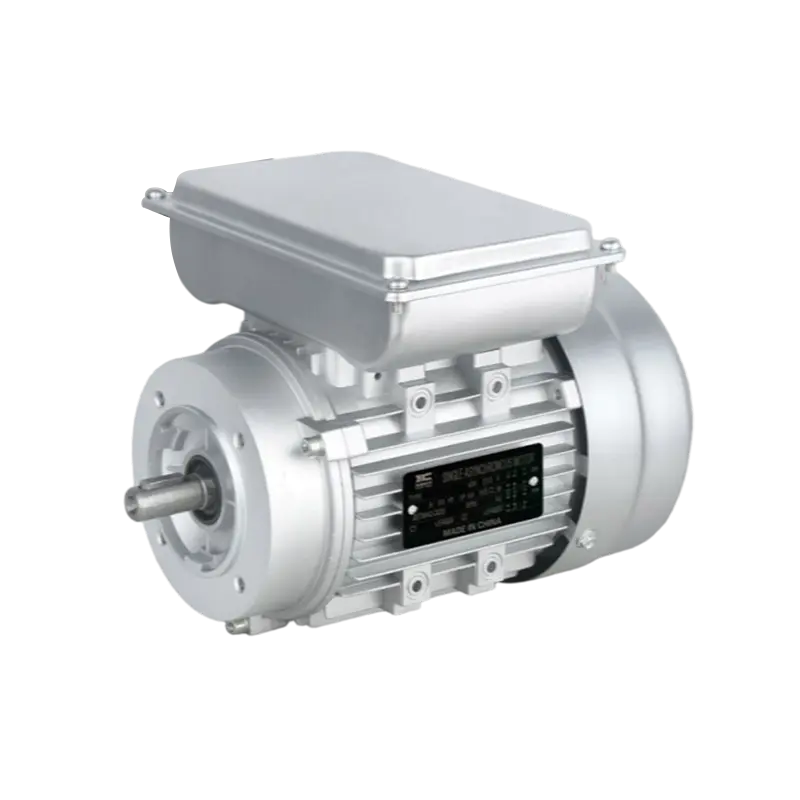
Small Single phase vs 3 phase AC motor
This debate comes up constantly in small shops. Single-phase or three-phase? Which makes more sense? The answer depends on what you've got and what you're trying to do.
The Core Difference
Here's the thing. Three-phase motors are simpler. They don't need starting capacitors or centrifugal switches. They produce a rotating magnetic field naturally, giving you more torque per ampere and smoother operation. Single-phase motors? They need help getting started—a start capacitor and a centrifugal switch that drops out once they reach speed.
Power and Size Reality
For the same physical frame size, a three-phase motor delivers about 50% more horsepower. Better power factor. Higher efficiency. That means if you're space-constrained but need real power, three-phase wins every time.
Power comparison:
- Same frame: 3-phase delivers ~1.5x the HP
- Same HP: 3-phase motor is smaller and lighter
- Efficiency: 3-phase typically 3-5% better
Starting Torque Differences
Three-phase motors have higher starting torque—usually 150-200% of full-load torque. Single-phase motors? Lucky to hit 100-125%. That makes three-phase motors much better for loads that start under heavy conditions.
Application guidance:
- Three-phase: Compressors, conveyors, pumps, machine tools
- Single-phase: Small fans, small pumps, portable equipment, residential
Availability and Infrastructure
Three-phase power isn't everywhere. Many small shops, farms, and residential buildings only have single-phase supply. Installing three-phase service is expensive—transformers, new panelboards, utility fees. If you only need a few small motors, that investment might not make sense.
Practical considerations:
- Three-phase available? Use it. Motors are cheaper and more reliable.
- Only single-phase? Stick with single-phase or use a VFD with phase conversion.
- Need to convert? Rotary phase converters or VFDs with single-phase input can create three-phase power.
Maintenance Differences
Three-phase motors have fewer components. No start capacitors to fail. No centrifugal switches to stick. That means less downtime and lower repair costs. Single-phase motors are more complex and more prone to failures.
Reliability comparison:
- Three-phase: Lower maintenance, longer life
- Single-phase: More components to fail, shorter lifespan under heavy use
| Aspect | Single-Phase | Three-Phase |
|---|---|---|
| Power for same size | Lower (baseline) | Higher (~1.5x) |
| Starting torque | Lower (100-125%) | Higher (150-200%) |
| Efficiency | Lower by 3-5% | Higher |
| Complexity | More components | Simpler design |
| Best for | Small loads, residential | Industrial, heavy loads |
| Cost (motor) | Higher for same HP | Lower for same HP |
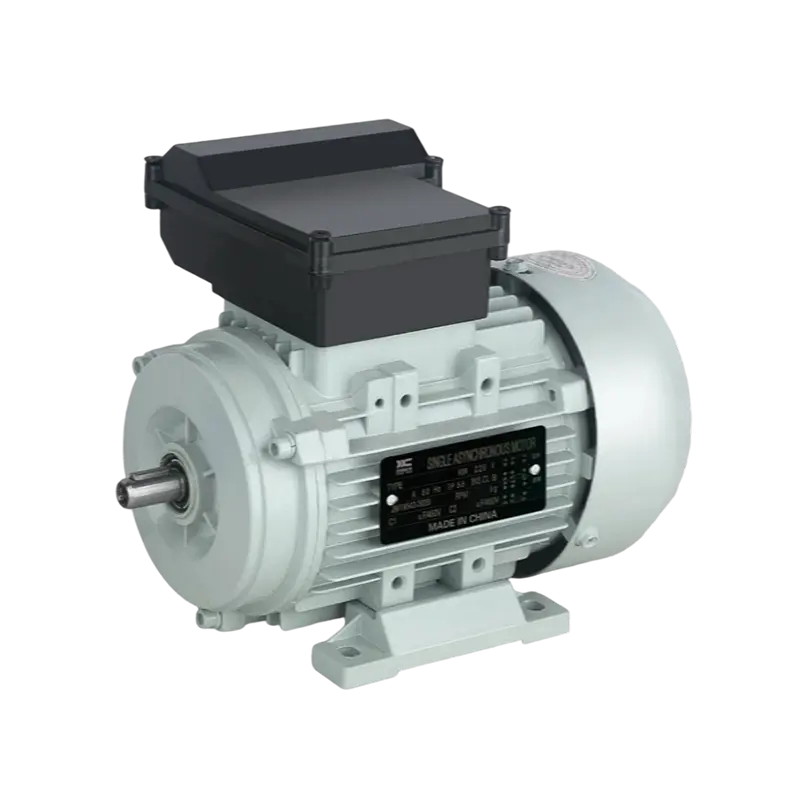
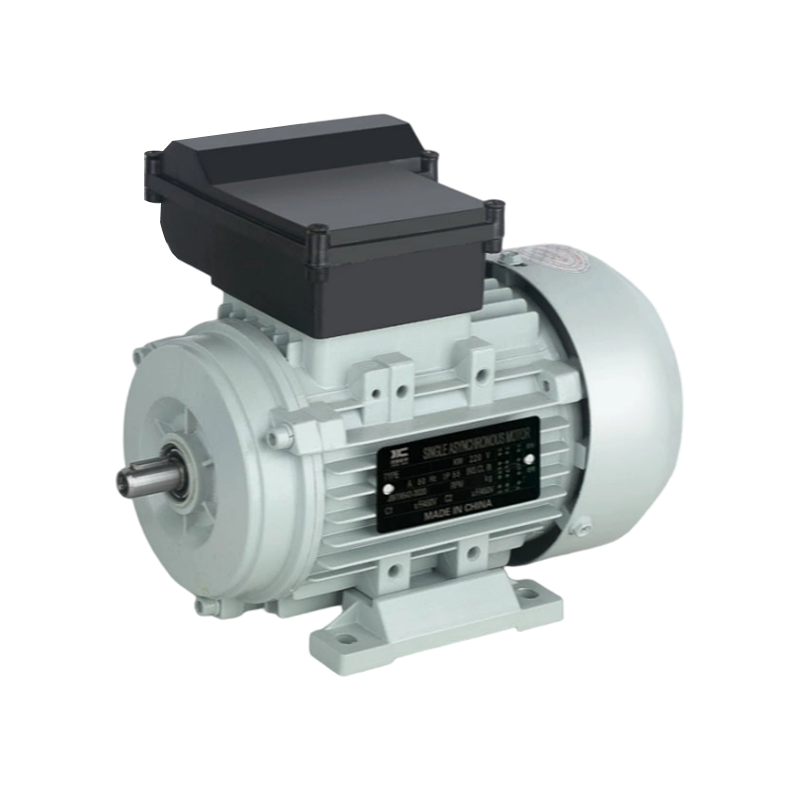
What applications are aluminum body single phase motors best suited for?
Aluminum body single-phase motors have a specific niche. They're not for heavy industrial work. But in the right applications, they outperform cast iron alternatives. Here's where they shine.
Light-Duty and Intermittent Service
Aluminum motors excel where the load isn't constant. Garage door openers. Small conveyors. Packaging equipment. The aluminum housing dissipates heat effectively during short runs, and the lighter weight makes installation easier.
Ideal applications:
- Garage door openers and gate operators
- Small conveyor systems (intermittent duty)
- Packaging and labeling machines
- Small fans and blowers
Agricultural and Farm Equipment
Farms are a perfect fit. Single-phase power is common in rural areas. Lightweight aluminum bodies make mounting on portable equipment practical. Grain augers. Feed mixers. Ventilation fans.
Farm applications:
- Grain augers and conveyors
- Feed mixers and grinders
- Barn ventilation fans
- Portable irrigation pumps
Small Commercial Equipment
Restaurants, small retail shops, light commercial spaces—often only single-phase power available. Aluminum motors handle the duty cycles well and resist corrosion better than cast iron in many environments.
Commercial applications:
- Small kitchen exhaust fans
- Conveyor toasters and food processing equipment
- Small compressors and vacuum pumps
- Display cases and refrigeration fans
Where They Struggle
Let's be honest about limitations. Aluminum single-phase motors aren't suitable for continuous heavy loads. Less thermal mass than cast iron. They heat up faster under sustained operation. In corrosive environments—chemical plants, marine settings—make sure the aluminum is properly coated.
Avoid aluminum for:
- Continuous heavy industrial duty (24/7 operation)
- High-inertia loads (large fans, heavy conveyors)
- High-ambient-temperature environments
- Corrosive chemical exposure (unless specifically coated)
Cost vs. Performance Trade-Offs
Aluminum motors typically cost less. Material is cheaper and easier to machine. But you're trading thermal mass and durability for lower cost and lighter weight. For the right applications, that's a worthwhile trade.
Decision factors:
- Intermittent duty? Aluminum works well.
- Need portability? Aluminum is significantly lighter.
- Operating costs? Higher efficiency in single-phase motors often offsets the aluminum vs. cast iron premium.
| Application Type | Aluminum Suitability | Reasoning |
| Garage door openers | Excellent | Light duty, intermittent |
| Grain augers | Very Good | Farm power availability |
| Conveyor toasters | Good | Food service environment |
| Continuous conveyors | Poor | Overheating risk |
| Marine equipment | Fair | Requires special coating |
| Chemical processing | Poor | Corrosion risk |


