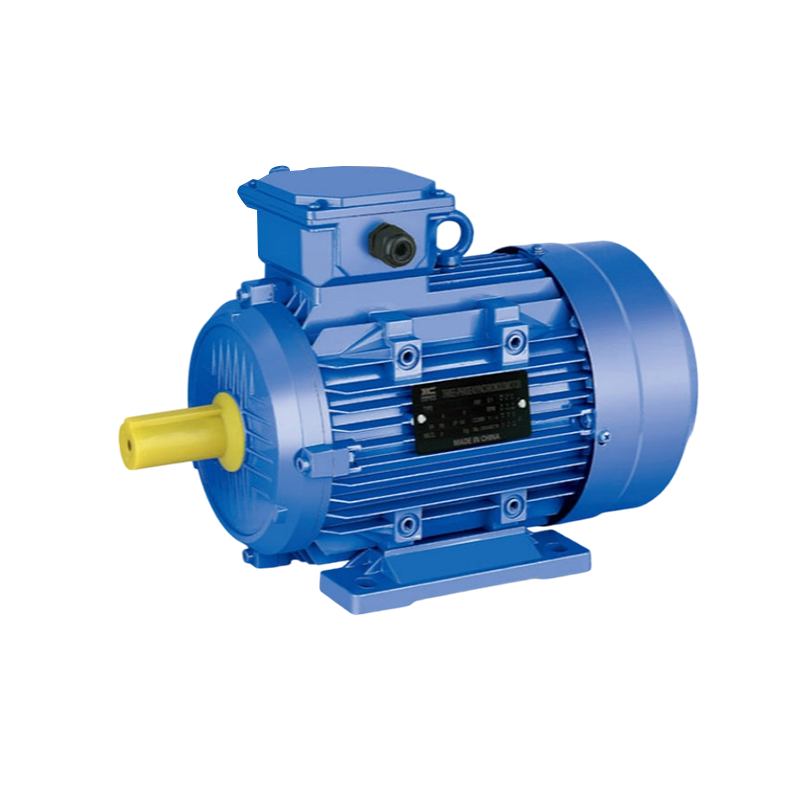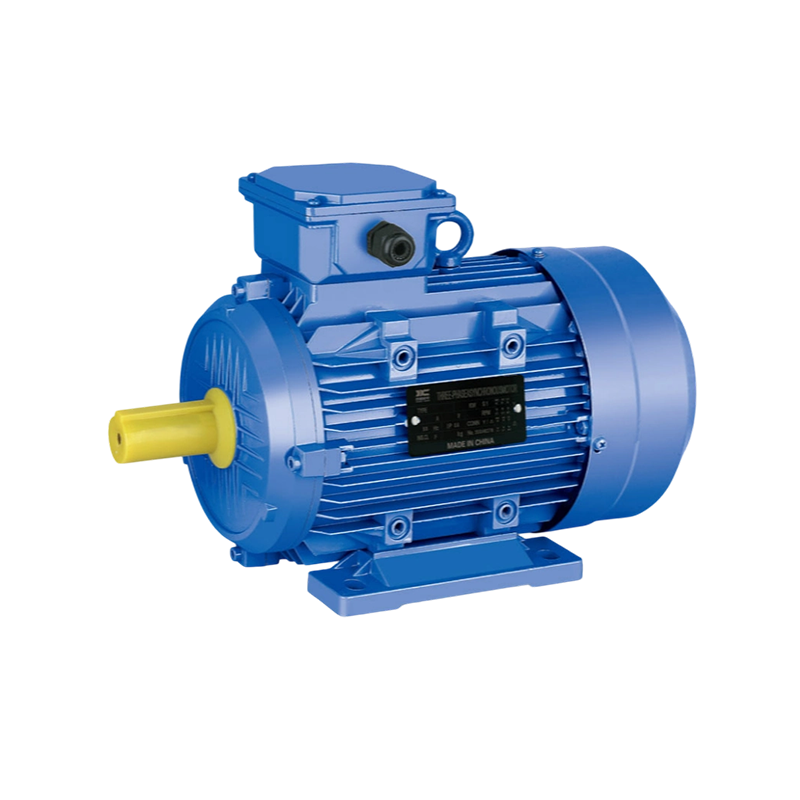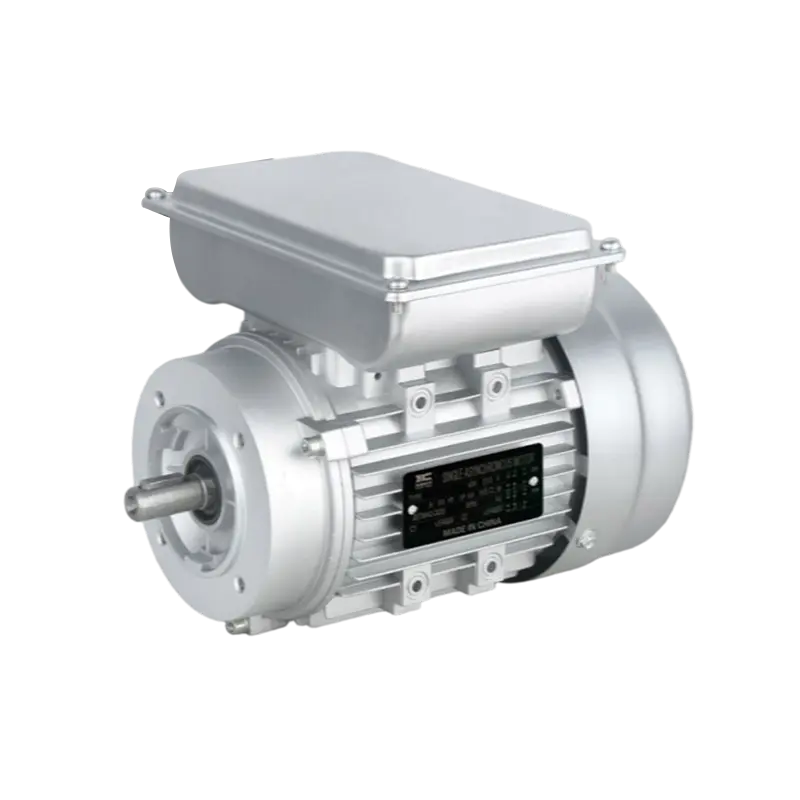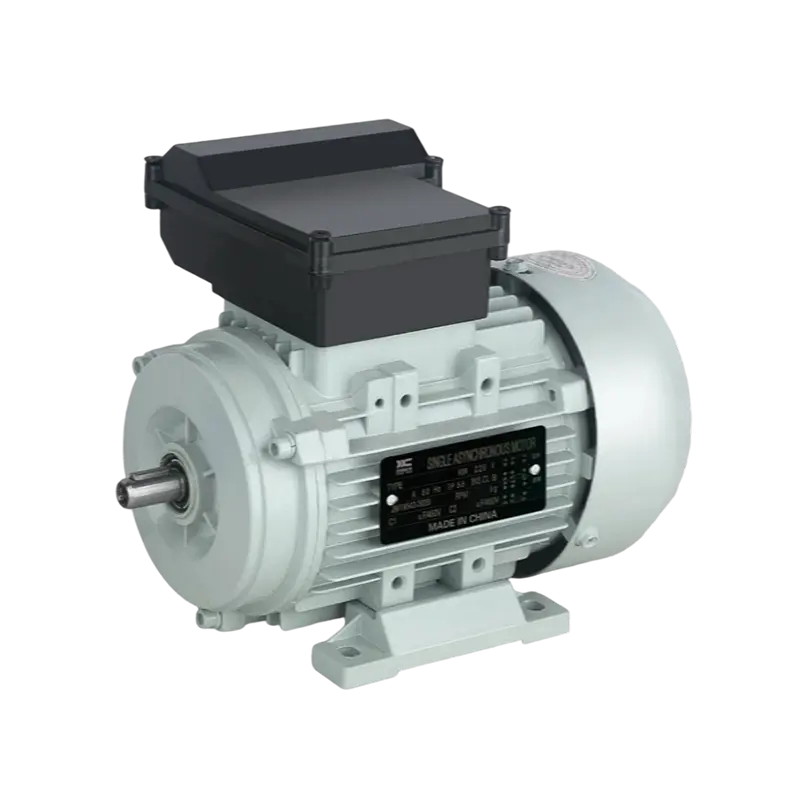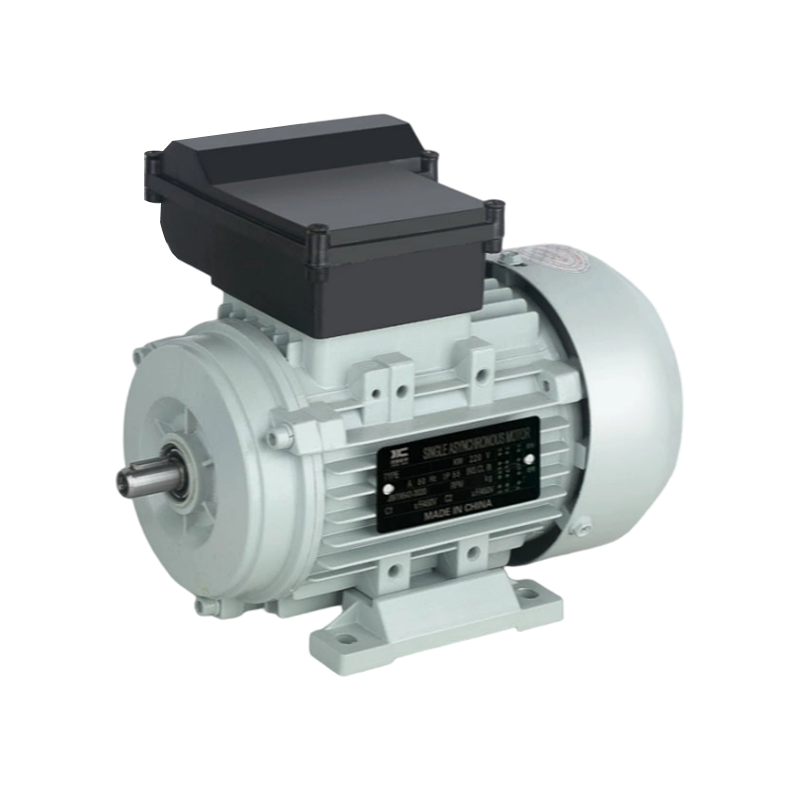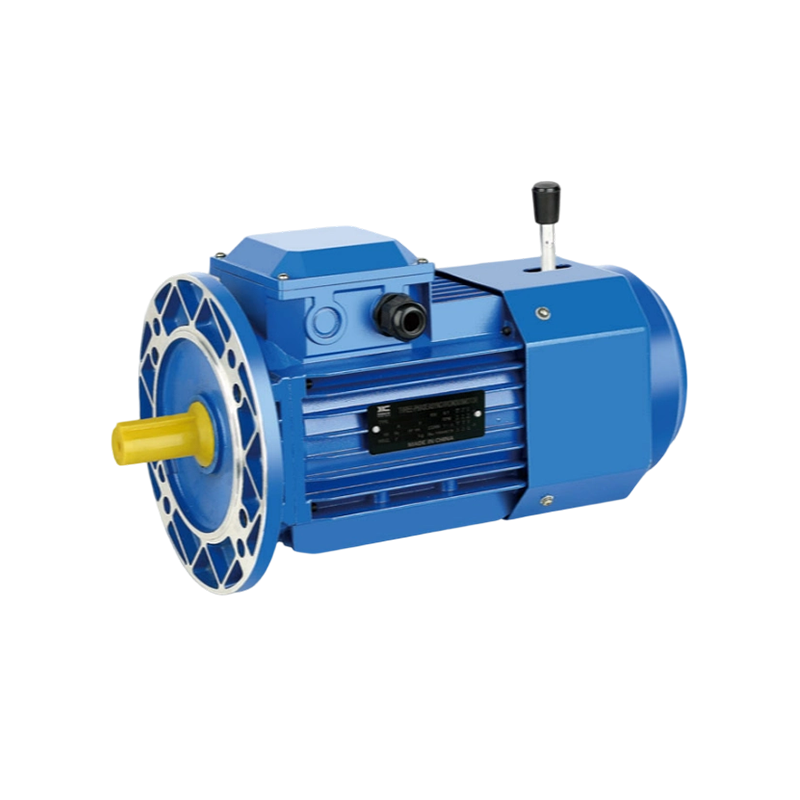

Higher rotational speed can change the role of a motor from a relatively straightforward power component into a more demanding mechanical and electrical system. This transition is particularly important for equipment that uses a high speed single phase motor, where compact construction, single-phase power characteristics, and elevated rotational speed must work together.
There is no universal rpm point that defines a high-speed motor. Application requirements, rotor diameter, construction, bearing arrangement, and operating duty all influence the design boundary. Once rotational speed rises substantially, several physical effects that are less noticeable at conventional speeds become increasingly important.
Even a small amount of rotor imbalance can create a much stronger centrifugal force as rotational speed increases. High-speed motor research therefore places considerable attention on rotor balance, dynamic behavior, and structural integrity.
Such requirements become particularly relevant around 8,000 rpm, 10,000 rpm, or higher, depending on rotor geometry. A motor that operates smoothly at 3,000 rpm cannot automatically be assumed to behave the same way at substantially higher speed.
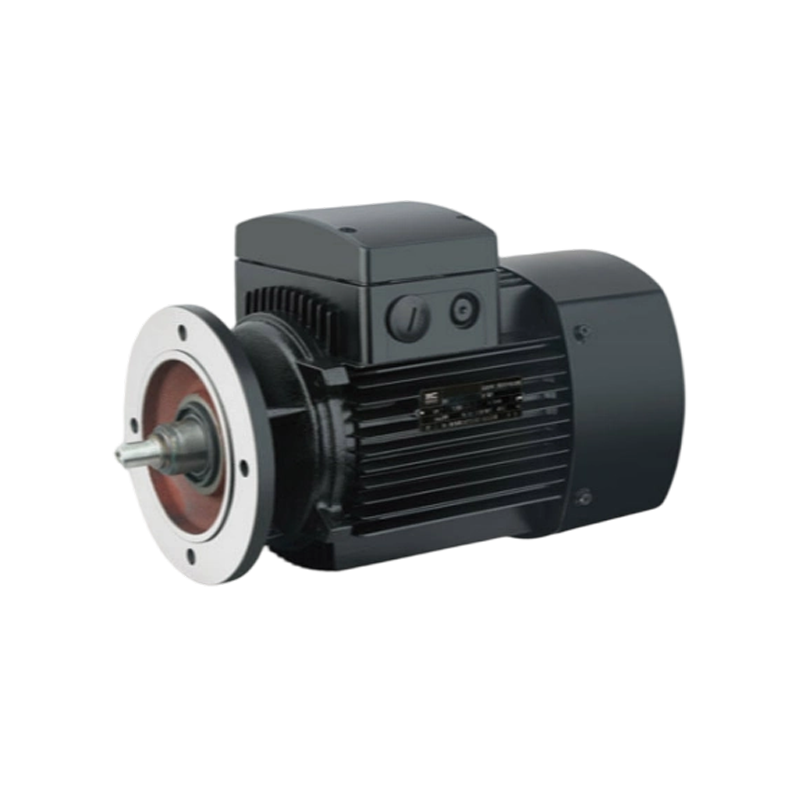
Every rotating system has natural vibration modes. Operating near a critical speed can amplify vibration because the rotational excitation interacts with the rotor's natural frequency. Research on high-speed motor rotors shows that operating speed needs sufficient separation from critical speeds to maintain stable operation.
This makes the speed range itself an important product specification. Engineers may need to consider not only rated rpm but also acceleration behavior and the location of critical speeds across the complete operating range.
Higher rpm increases the demands placed on bearings. Bearing temperature, lubrication behavior, preload, radial load, and vibration all become closely connected. High-speed motor studies identify bearing design as an important part of rotor-dynamic stability rather than an isolated mechanical component.
Consider a motor operating at 12,000 rpm. Bearing selection cannot be based only on the static radial load generated by the driven machine. The bearing also needs to accommodate rotational speed, heat generation, lubrication conditions, and expected service duty.
Such considerations can influence the housing structure and shaft arrangement of a high speed single phase motor, particularly where installation space is limited.
High-speed operation introduces additional thermal sources. Copper losses and iron losses remain important, while air friction around rotating components can become increasingly significant. Recent high-speed motor research also highlights the combined influence of copper, iron, and windage losses on thermal stability.
Single-phase motors commonly use auxiliary windings and capacitor arrangements to establish the phase relationship needed for motor operation. High-speed operation requires these electrical characteristics to remain compatible with the intended rotational range.
Capacitor value, winding impedance, supply frequency, starting method, and rated voltage can all influence motor behavior. Such factors deserve attention before a standard single-phase motor is adapted to a higher-speed application.
Compact blowers, ventilation equipment, small centrifugal machines, polishing equipment, laboratory devices, and specialized processing equipment can require rotational speeds above conventional motor ranges. Application requirements vary widely, so the motor should be evaluated according to the complete mechanical load rather than rpm alone.
Choosing a high-speed motor requires more than comparing rpm figures. The mechanical and electrical specifications need to support the same operating target.
High speed becomes a genuine motor design challenge once rotational forces, resonance, bearing behavior, thermal loading, and electrical characteristics begin interacting. A high speed single phase motor therefore needs to be evaluated as a complete rotating system. Looking beyond the advertised rpm can reveal whether the motor is actually suited to the mechanical and electrical demands of the target equipment.
Your email address will not be published. Required fields are marked*
We aim to provide the market and the customers with
high-quality products and customized solutions.
 Zhaoyang Industrial Zone, Daxi Town, Wenling City, Taizhou City, Zhejiang Province, China
 +86-13615760288
  +86-576-86398088


 English
 中文简体
中文简体 русский
 Español