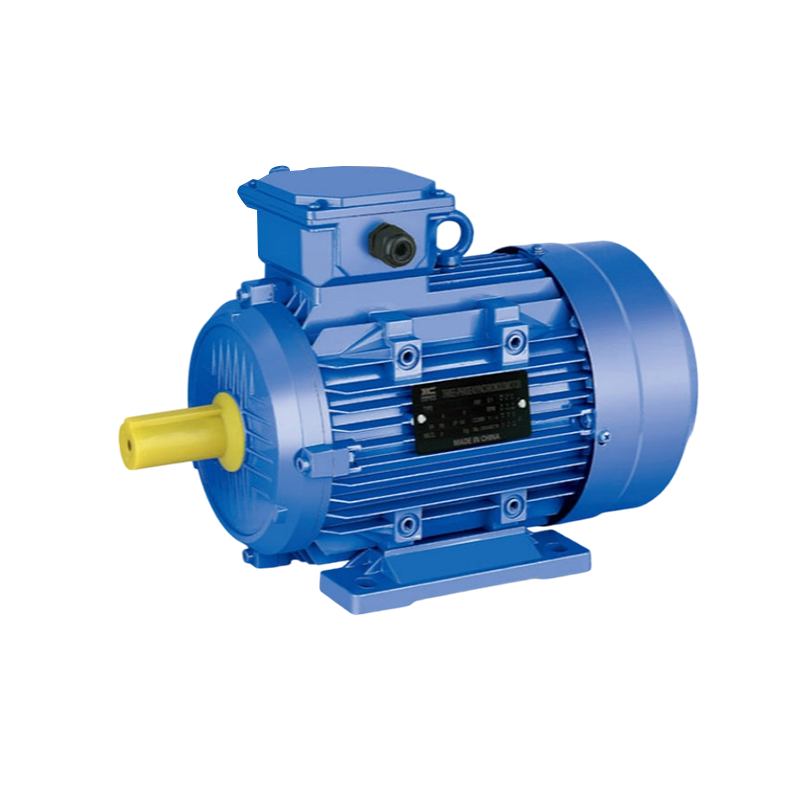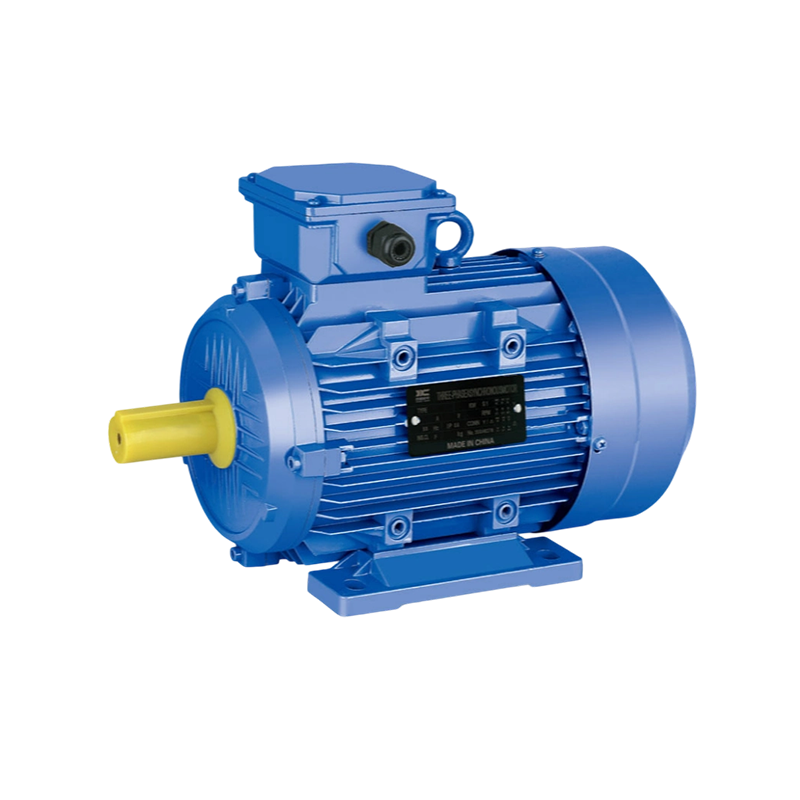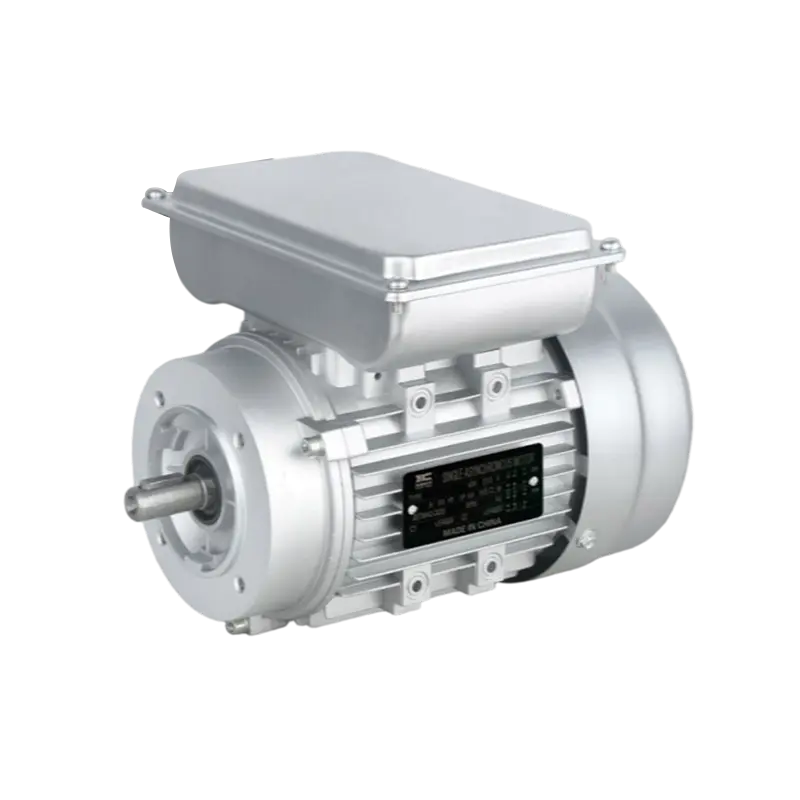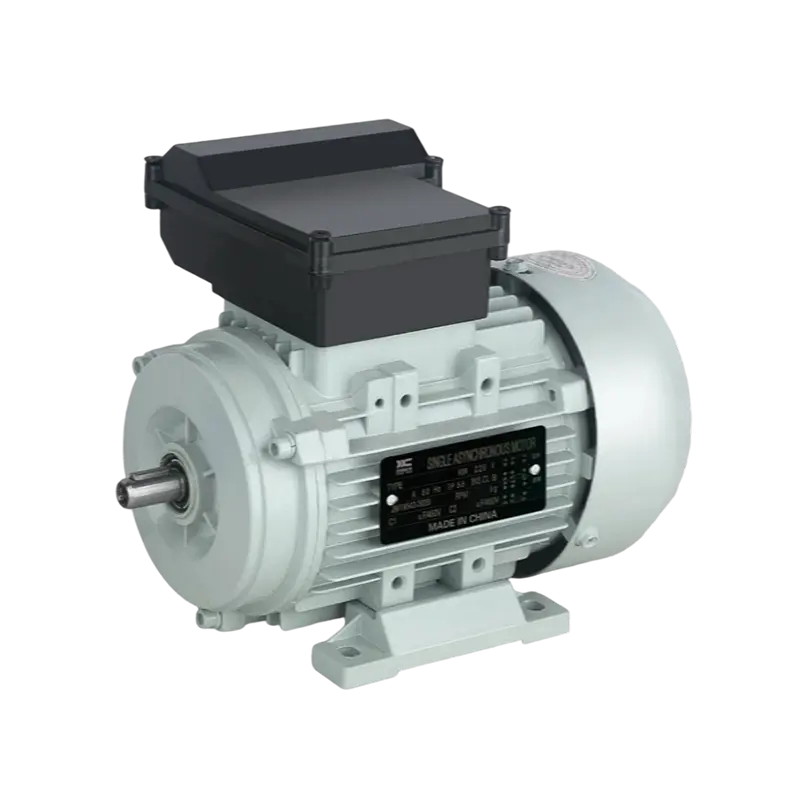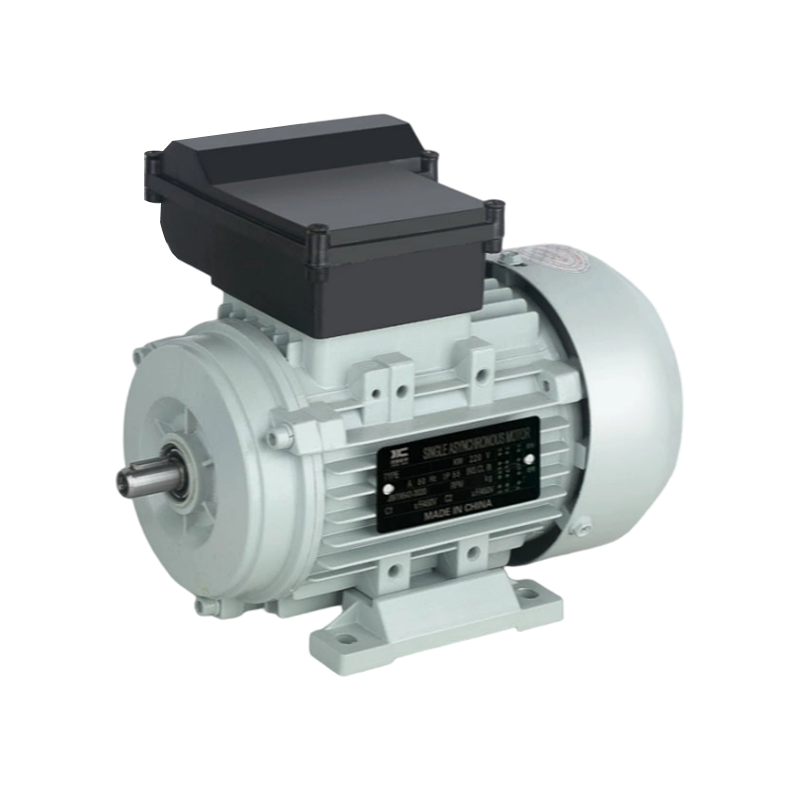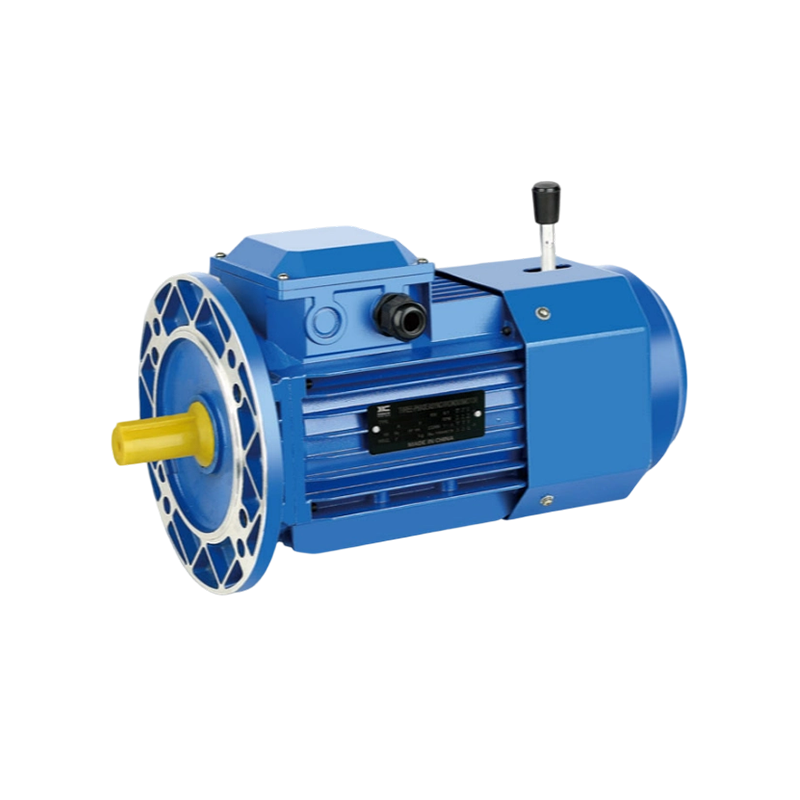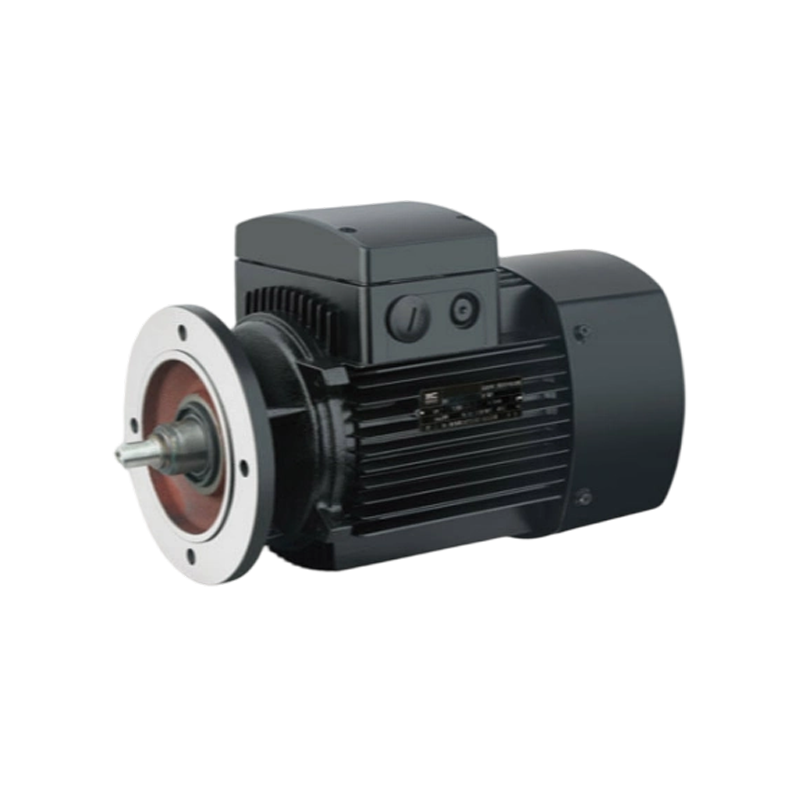

Household and light industrial equipment rarely operates under a completely fixed mechanical load. Pumps may experience pressure changes, fans can face airflow resistance, and compact processing equipment may move between light and heavy operating conditions. Such applications raise an important question: can a 1 phase asynchronous motor maintain stable operation as the mechanical load changes?
The answer depends on the motor construction, load characteristics, starting requirements, supply conditions, and the amount of speed variation expected during operation. Single-phase asynchronous motors are still popular because they can be directly connected to the widely available single-phase power supplies, but the torque-speed characteristics of these motors need further investigation for variable-load applications.
Asynchronous motors operate with slip. Motor speed decreases as mechanical load rises, while speed increases as the load becomes lighter. This behavior is a normal characteristic rather than an immediate sign of abnormal operation. Technical motor data commonly describes this relationship through torque-speed curves.
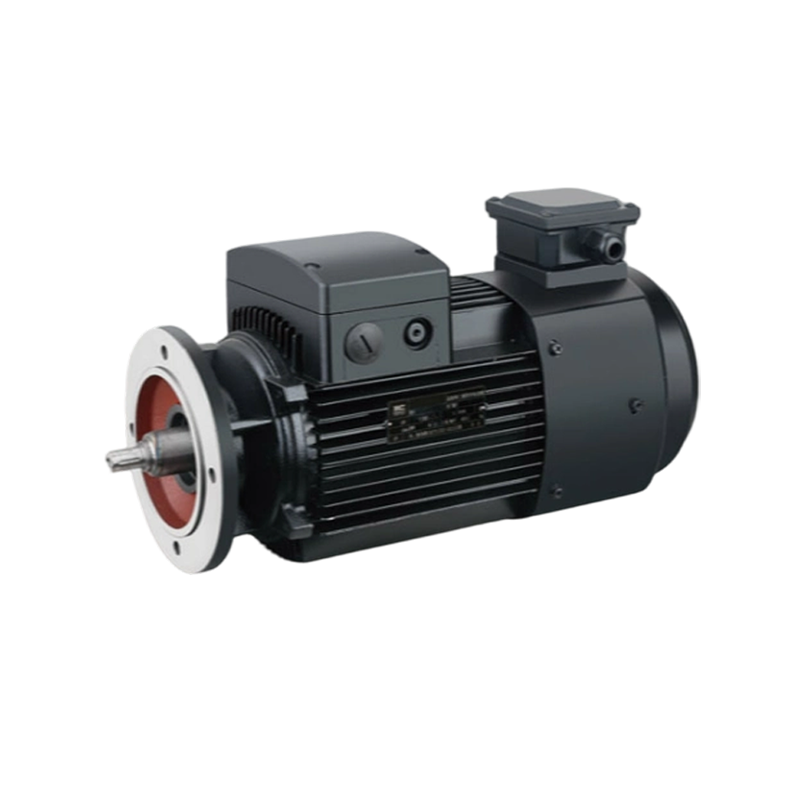
Unlike a three-phase induction motor, a basic single-phase induction motor needs a starting mechanism to create the rotating magnetic field required for self-starting. Many designs use a main winding, an auxiliary winding, and a capacitor to create the necessary phase relationship.
Capacitor-run designs keep the auxiliary winding energized during operation. The capacitor creates a phase shift between the winding currents, allowing the motor to generate useful starting and running torque. Capacitor-run motors are widely associated with applications such as fans and other small motor-driven equipment.
Capacitance is not simply an accessory attached to the motor. Its electrical reactance changes with supply frequency, which means the capacitor affects the phase relationship between the main and auxiliary windings. A fixed capacitor can therefore impose limitations on wide-range variable-speed operation.
Motor nameplate power provides useful information, but it does not fully describe behavior under changing mechanical conditions. Two machines with the same 0.75 kW motor rating can present very different operating demands.
Applications with frequent load transitions should therefore be evaluated using actual torque and speed curves rather than relying only on nominal wattage.
Variable load does not always mean variable speed. A motor may run steadily after startup yet encounter a substantial load during acceleration. This distinction becomes important for pumps, compressors, fans with heavy impellers, and equipment with high rotational inertia.
Capacitor-start and capacitor-start/capacitor-run configurations can provide stronger starting characteristics by using capacitor arrangements designed around the startup and running stages. Research on single-phase induction motors has also examined electronically controlled capacitance to improve torque across changing operating conditions.
Speed regulation is possible, but a conventional capacitor-based single-phase design does not behave exactly like a three-phase motor under frequency control. Changing frequency also changes capacitive reactance, which can alter the phase relationship between the windings and affect torque production.
Applications with moderate load variation can be a practical match for a 1 phase asynchronous motor, particularly where the required speed range remains relatively narrow. Fans, pumps, small compressors, household equipment, and light-duty machinery are common application areas for single-phase induction designs.
Heavy acceleration, large inertia, rapid speed changes, or a broad variable-speed range may require a different motor-control arrangement. Such cases should be evaluated through the complete load profile rather than the motor rating alone.
A 1 phase asynchronous motor can handle changing loads effectively within its intended operating range. Stable performance depends on matching the motor's torque characteristics, capacitor configuration, starting capability, and thermal limits with the actual machine load. Such an approach gives engineers a clearer view of where single-phase asynchronous technology fits as equipment becomes more responsive to changing operating conditions.
Your email address will not be published. Required fields are marked*
We aim to provide the market and the customers with
high-quality products and customized solutions.
 Zhaoyang Industrial Zone, Daxi Town, Wenling City, Taizhou City, Zhejiang Province, China
 +86-13615760288
  +86-576-86398088


 English
 中文简体
中文简体 русский
 Español