


 English
 中文简体
中文简体 русский
 Español

 +86-13615760288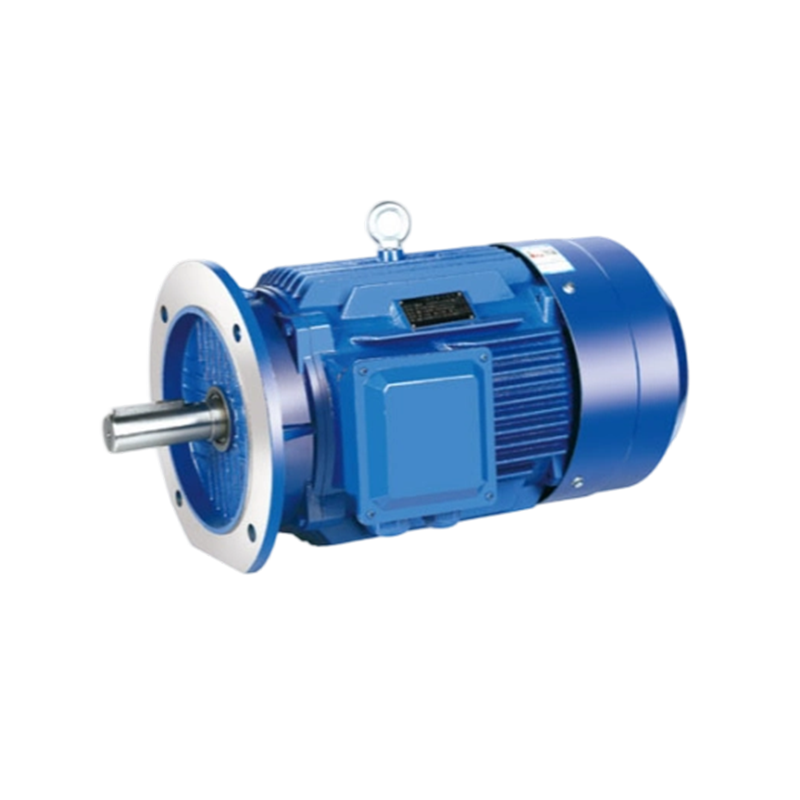
The Motor Selection Compass: Balancing Cost, Weight, and Performance
Is an Iron Shell Single Phase Motor Better Than an Aluminum Shell for My Application?
Honestly? There's no universal "better" here. It's about what you're bolting it to and how you're running it.
Cast iron frames are the tanks of the motor world. They're heavy—no getting around that. But that heft isn't wasted. It kills vibration, something aluminum just can't do as well. If you're mounting to a rigid base and running continuous duty on a punch press or big conveyor, iron keeps things stable. Bearing alignment stays true through years of heating and cooling cycles.
Aluminum frames are the lightweights. Easy to muscle into tight spots. Cheaper to ship. And they handle damp environments naturally thanks to that oxide layer. But they've got quirks. They resonate with harmonics. Drop one, and you might bend a foot or crack the casing.
Key Takeaway:
- Iron wins for fixed, heavy, continuous runs where vibration damping matters.
- Aluminum makes sense when portability or corrosion resistance is your priority.
| Factor | Cast Iron | Aluminum |
| Weight | Heavy (great for damping) | Light (easy handling) |
| Corrosion | Needs good paint | Naturally tough |
| Cost | Higher | Lower |
| Best fit | Fixed base, non-stop duty | Portable gear, intermittent work |
What's the Difference Between Asynchronous and Synchronous Electric Motors for Cars?
Here's the simple version: synchronous motors keep the rotor locked in perfect step with the stator field. Asynchronous (induction) motors always lag a little behind—that's the "slip." That one difference changes everything.
Synchronous motors—mostly permanent magnet types—dominate long-range EVs like Teslas. The rotor has rare-earth magnets. No electrical losses in the rotor itself. So you get brilliant efficiency across a wide speed range, which means more miles per charge. But those magnets? Expensive. Supply chains? Shaky. Overheat them and they start losing strength permanently.
Asynchronous motors have a simpler rotor: steel laminations with cast bars. No magnets. No brushes. Cheap to make. Tough as nails. The downside? That slip wastes some energy as heat, so they're a few percent less efficient. But they'll take an overload and just shrug it off.
Key Takeaway:
- Synchronous: Better efficiency and range, but costly materials and heat-sensitive.
- Asynchronous: Cheaper, rugged, no magnets, but slightly thirstier.
| Aspect | Synchronous (Permanent Magnet) | Asynchronous (Induction) |
| Rotor guts | Rare-earth magnets | Steel laminations with bars |
| Efficiency | Higher | Slightly lower |
| Cost | More expensive | Less expensive |
| Heat risk | Demagnetization | Very forgiving |
| Common EV role | Main drive motor | Secondary/AWD helper |
Are Asynchronous Motors Still Relevant for Modern EVs?
You'd think with all the permanent magnet hype, induction would be obsolete. But nope. They're just playing a different game now.
The big driver is cost and supply chain sanity. Automakers don't want to rely on rare-earth suppliers. Induction offers a way out. Tesla's original Roadster and early Model S ran on induction alone. Even the new Model S Plaid uses one on the front axle.
Here's a clever trick: freewheeling. In an AWD setup, an induction front motor can be completely shut off at highway speeds. No magnets means no drag—it just spins freely. A permanent magnet motor always has some drag, even when it's doing nothing. That hurts efficiency.
And the efficiency gap? It's shrinking. With copper rotors and smarter controls, modern induction motors are now only about 3-5% less efficient than permanent magnet units on the highway. Most drivers won't notice that. But automakers notice the cost savings.
Key Takeaway:
- Induction shines in: Dual-motor AWD (front axle), performance cars needing brief torque spikes, and budget EVs.
- Not the best for: Single-motor cars chasing every last mile of range.
| Application | Induction Suitability | Why |
| Budget EV | Decent | Saves cost, slight range hit |
| Performance AWD | Excellent | Freewheels, adds punch on demand |
| Heavy truck | Very good | Handles overloads without complaint |
| Luxury long-range | Lower | PM motor's efficiency edge matters more |


