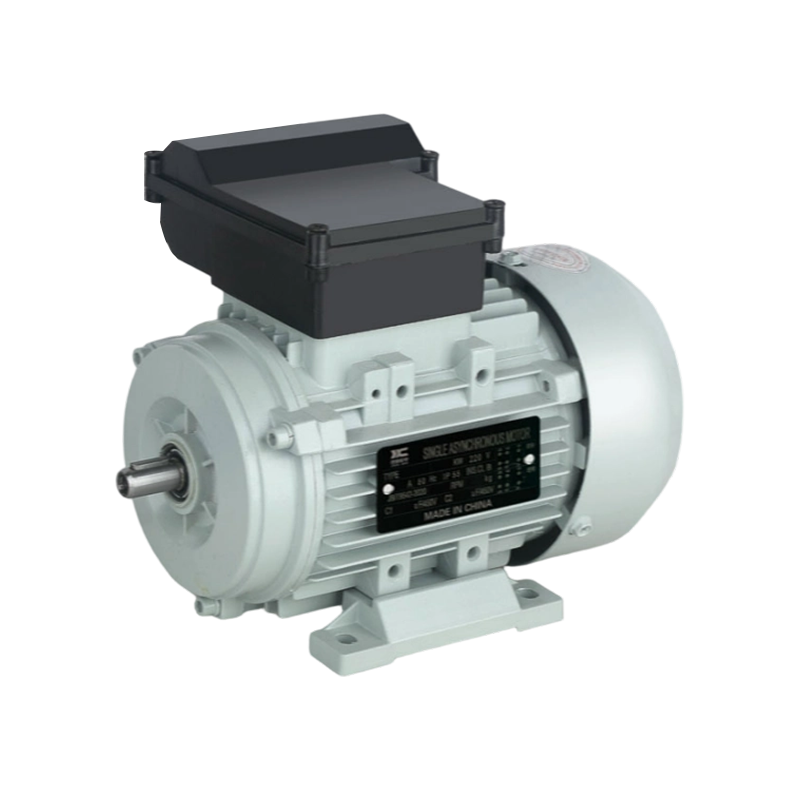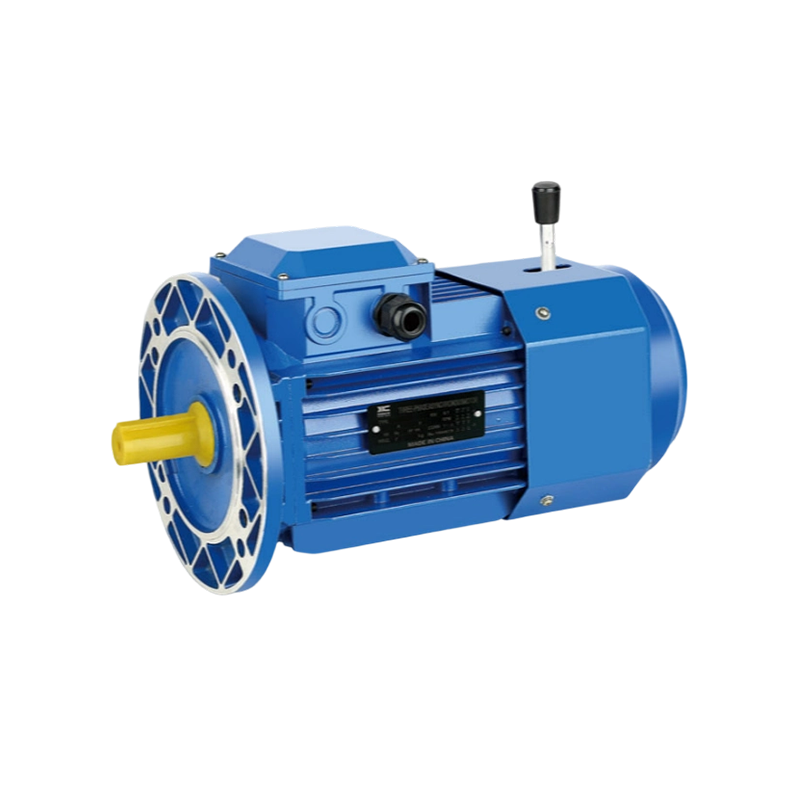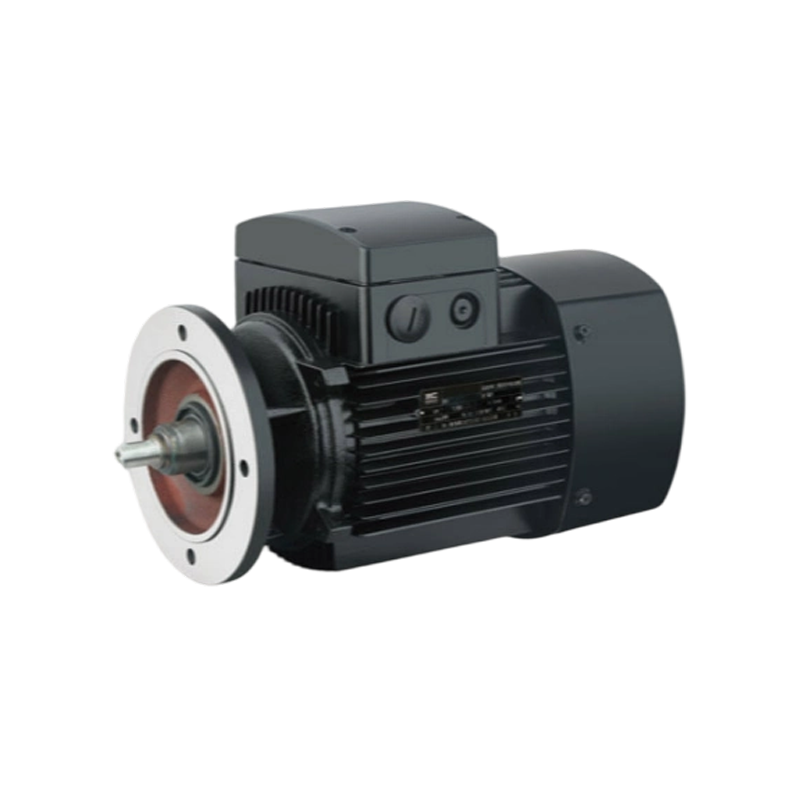

Price differences between motor quotations can look straightforward, yet the figures on two offers may represent different technical specifications, production arrangements, and service commitments. An OEM project requires more than a competitive unit price. Buyers also need to understand what each quotation includes, how the proposed motor matches the application, and which costs may appear during development or repeat orders.
At Lixiang, we believe that clear communication between the buyer and manufacturer creates a more practical basis for purchasing decisions. As buyers evaluate small electric motor manufacturers, a consistent quotation review helps identify differences in scope before an order moves into production. The following guide explains how we approach the main points of an OEM motor quotation and how buyers can organize their comparisons.
A fair price comparison begins with a shared technical specification. Two manufacturers may quote the same rated power while proposing different electrical configurations, shaft dimensions, or installation arrangements. These differences can affect compatibility with the customer's equipment and the work required during assembly.
We recommend preparing a common request for quotation (RFQ) before collecting offers. The document should describe the intended application and identify the required motor characteristics.
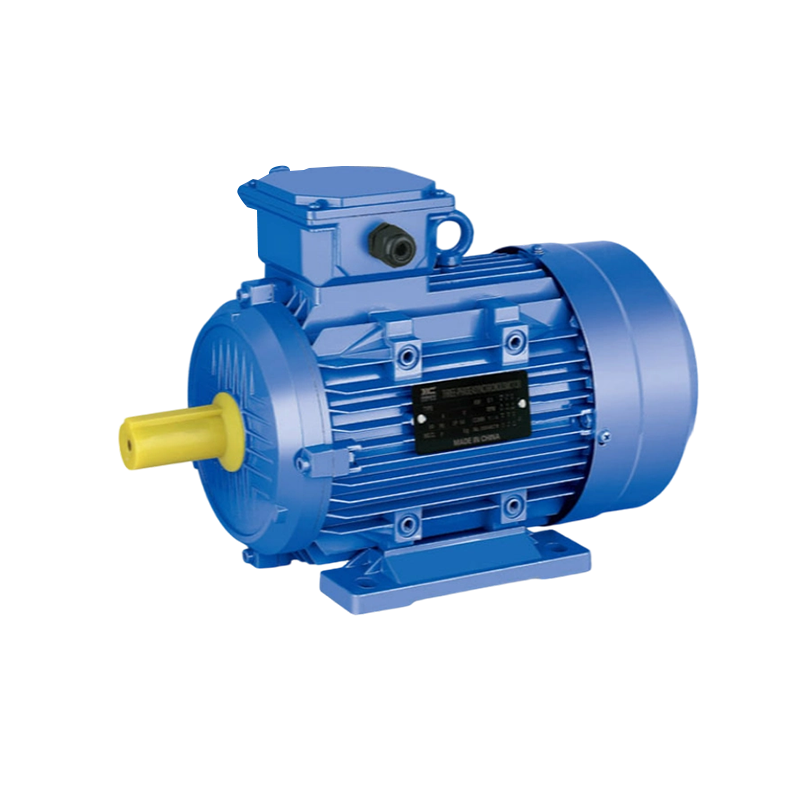
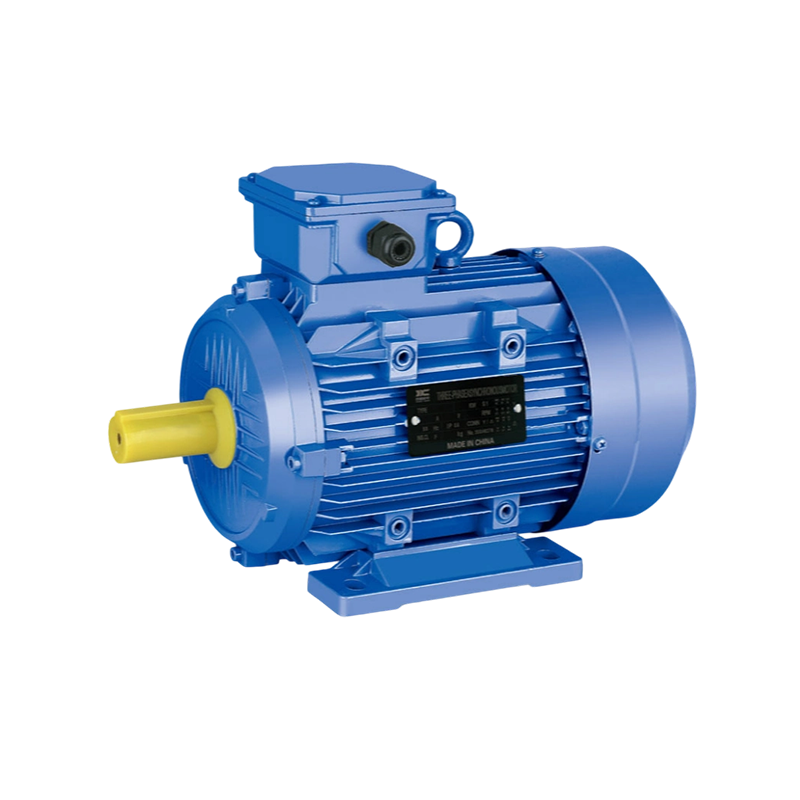
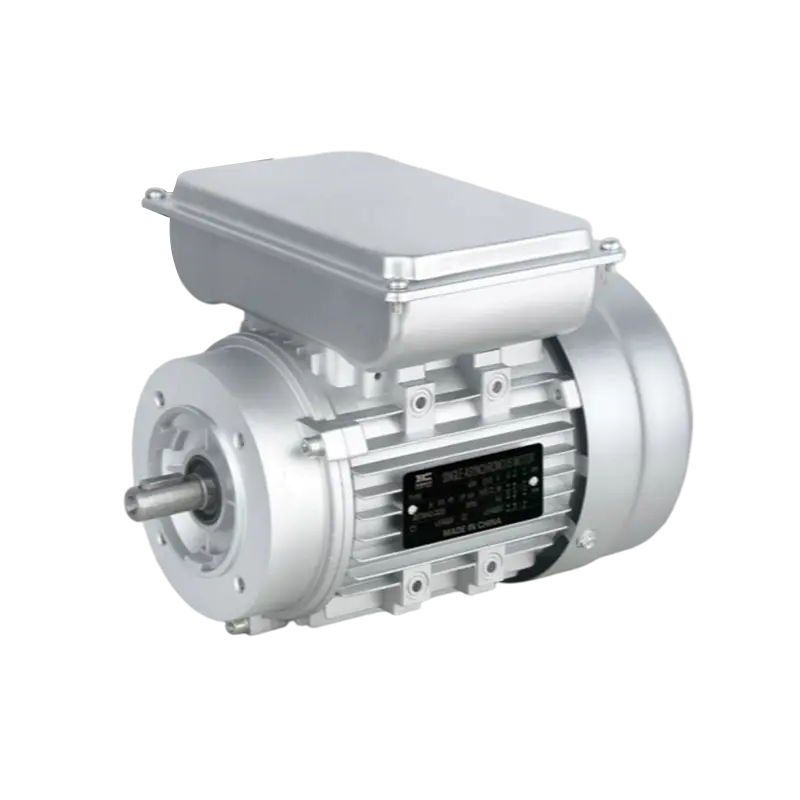
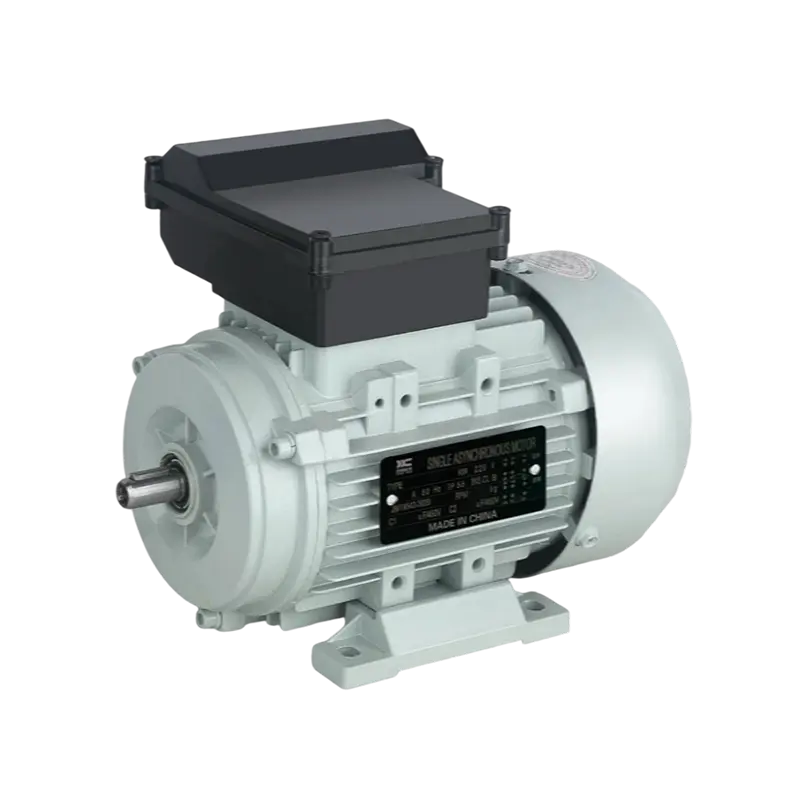
For example, a motor rated at 0.25 kW is not fully specified by its power rating alone. A buyer may also require 230 V operation at 50 Hz, a defined shaft diameter, a particular mounting arrangement, and an IP-rated enclosure. These details should be confirmed against the actual application rather than assumed from a general product description.
A quotation should explain the commercial scope behind its total. One supplier may include customized components and export packaging, while another may quote a standard motor without those items. Comparing only the totals can therefore create a misleading impression of the actual price difference.
At Lixiang, we encourage buyers to review the following cost categories during OEM discussions:
A useful comparison sheet should show each cost separately rather than combining every expense into a single figure. This approach makes it easier to identify whether a lower quotation reflects a genuine commercial difference or a narrower scope of supply.
OEM projects often require adjustments to suit a customer's equipment, assembly process, or brand specifications. The term "custom motor" can describe different levels of work, so buyers should request a written explanation of the proposed configuration.
Customization may involve shaft dimensions, mounting interfaces, electrical connections, terminal arrangements, wiring, labels, or packaging. Some projects may also require changes to the motor's performance characteristics. The feasibility and cost of each change depend on the motor design and the manufacturer's production capabilities.
We suggest using a customization checklist during quotation reviews:
These questions are particularly relevant to repeat OEM orders. A written record of the approved configuration gives both parties a common reference for subsequent production batches and helps clarify the commercial impact of future changes.
Statements about product quality have limited purchasing value without supporting information. Buyers should establish which inspection procedures and records apply to the specific motor being quoted. The appropriate evidence depends on the motor type, application, contractual requirements, and destination market.
Possible quality documents and checks include:
Not every motor requires the same test package. Rather than demanding identical documents for unrelated products, buyers should define a common acceptance plan that fits the application. Each supplier can then confirm which requirements are covered and identify any additional inspection costs.
It is also worth checking that the documents correspond to the actual quoted model. A general company certificate or a report for another motor configuration does not automatically verify the product under consideration.
An attractive sample quotation does not provide a complete picture of an OEM supply relationship. Buyers also need to understand how the manufacturer handles production scheduling, specification control, and changes in demand.
During our discussions with OEM customers, we consider clear production requirements an important part of quotation preparation. Buyers can use the following questions to compare supplier arrangements:
Buyers should distinguish confirmed commitments from estimates. Production schedules depend on factors such as component availability, customization requirements, order volume, and the approval of samples or drawings. Recording these conditions beside the quoted price makes supplier offers easier to assess.
Commercial comparisons should include the support available after delivery. Two offers with similar prices may have different warranty periods, claim procedures, or responsibilities for investigating product issues.
We recommend confirming the following points before placing an OEM order:
Clear warranty language helps prevent disagreements after delivery. Buyers should compare the actual written terms instead of assuming that similar product descriptions indicate equivalent service commitments.
Once technical and commercial details have been collected, a structured scoring method can help the purchasing team explain its decision. The weights should reflect the project's priorities rather than follow a universal formula.
| Evaluation category | Suggested review points | Suggested weight |
| Technical compliance | Ratings, dimensions, performance, and application compatibility | 30% |
| Quality and documentation | Inspection procedures, test evidence, and applicable compliance documents | 20% |
| Total commercial cost | Unit price, customization, packaging, and other applicable expenses | 20% |
| Production capability | Scheduling, process control, and capacity for the project | 15% |
| Service and contract terms | Warranty, communication, payment, and delivery responsibilities | 15% |
Note: These percentages are illustrative and should be adjusted to suit the application. A safety-critical or tightly specified project may place greater emphasis on technical compliance and verification. A highly customized OEM program may assign more weight to engineering support and design control.
Before scoring the offers, mark every requirement as confirmed, pending clarification, or not included. Missing information should remain an open question rather than being treated as automatic compliance. A supplier that provides a clear explanation of its scope gives the purchasing team a stronger basis for evaluating the proposal.
Quotation quality depends partly on the information supplied at the beginning of the purchasing process. A short request containing only the motor power and target price may leave significant technical questions unresolved. A structured RFQ helps the manufacturer respond with a more relevant proposal.
Our recommended RFQ checklist includes:
Not every detail needs to be finalized before the initial inquiry. Buyers can identify provisional values and ask the manufacturer to clarify technical questions during the quotation stage. The important point is to distinguish confirmed requirements from assumptions before approving the final offer.
Fair OEM motor quotation comparisons depend on consistency, documentation, and transparent commercial terms. Unit price remains an important purchasing factor, but it should be evaluated alongside technical compliance, customization scope, quality evidence, production arrangements, and after-sales responsibilities.
At Lixiang, we view the quotation process as a practical discussion about how a motor will fit the customer's equipment and project requirements. A shared RFQ, a clear cost breakdown, and written confirmation of technical details help both parties understand what the proposed order includes.
Before approving an offer, buyers should resolve outstanding specification questions, compare equivalent configurations, and record the agreed inspection and delivery conditions. This disciplined approach gives procurement teams a clearer basis for negotiations and supports more consistent communication throughout an OEM motor project.
Your email address will not be published. Required fields are marked*
We aim to provide the market and the customers with
high-quality products and customized solutions.
 Zhaoyang Industrial Zone, Daxi Town, Wenling City, Taizhou City, Zhejiang Province, China
 +86-13615760288
 +86-576-86398088


 English
 中文简体
 русский
 Español