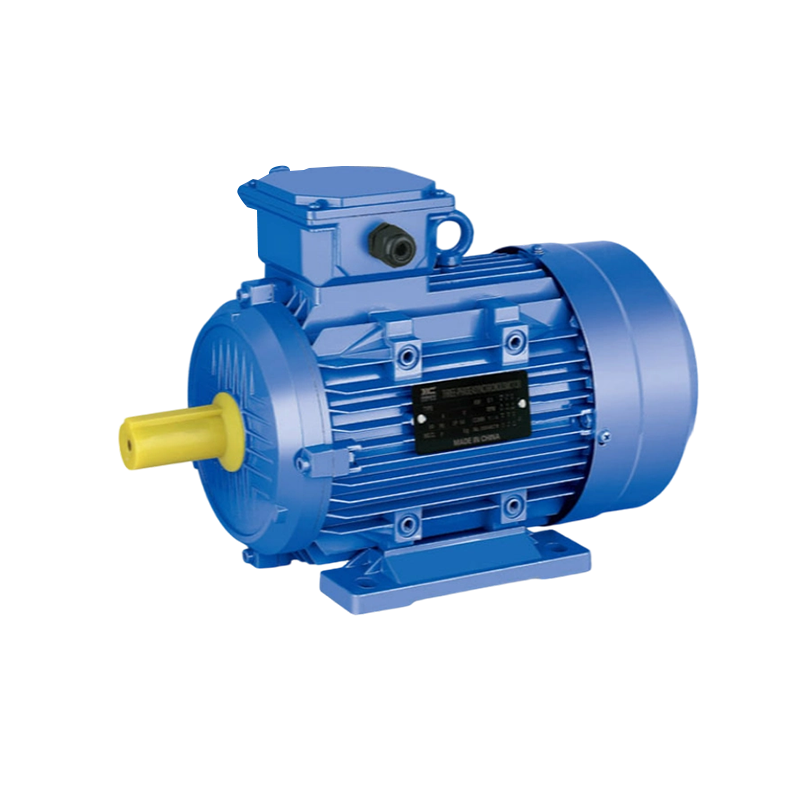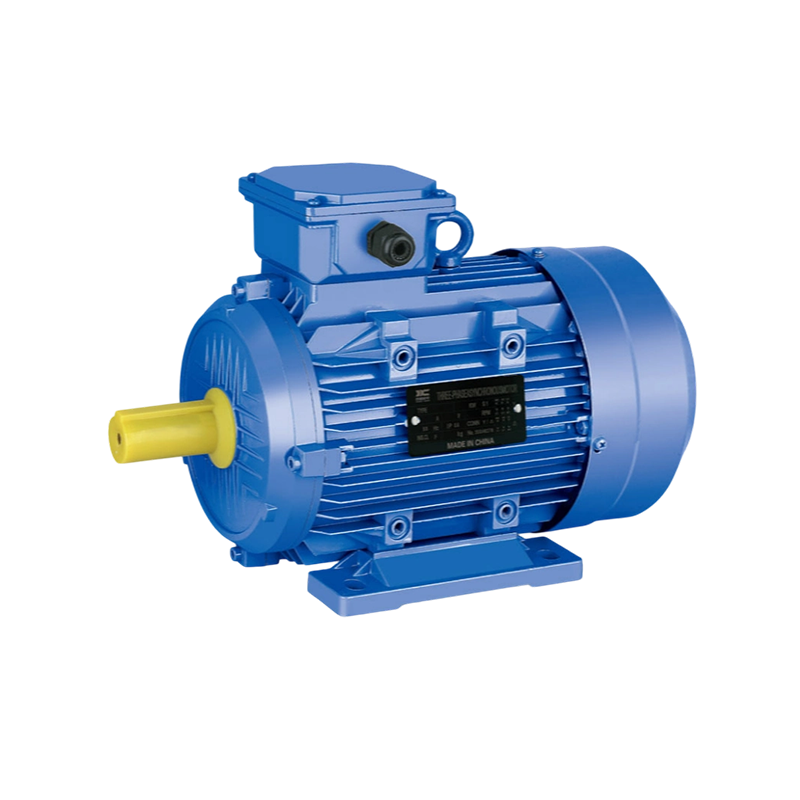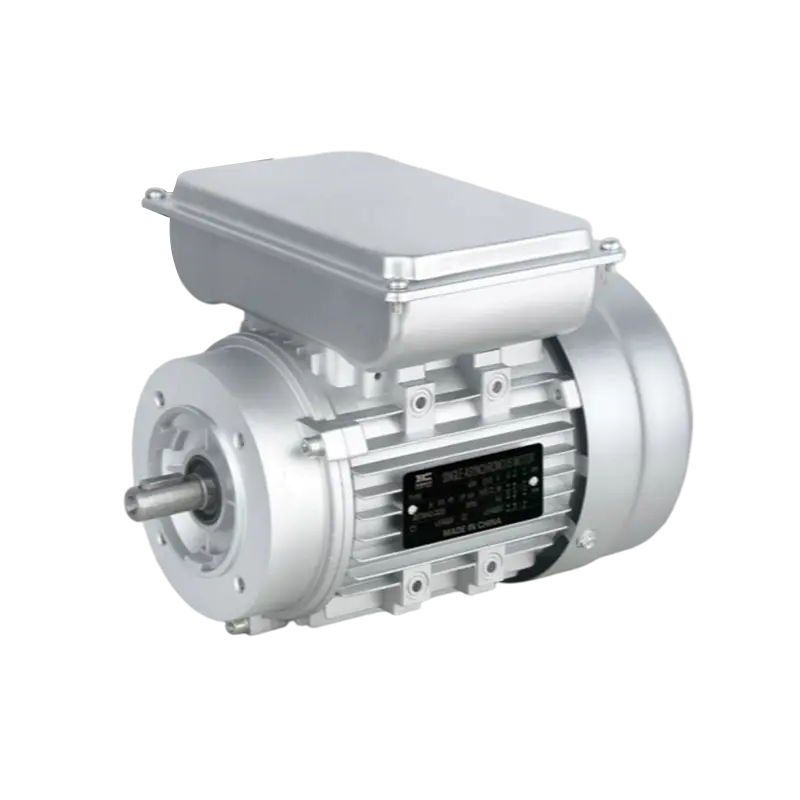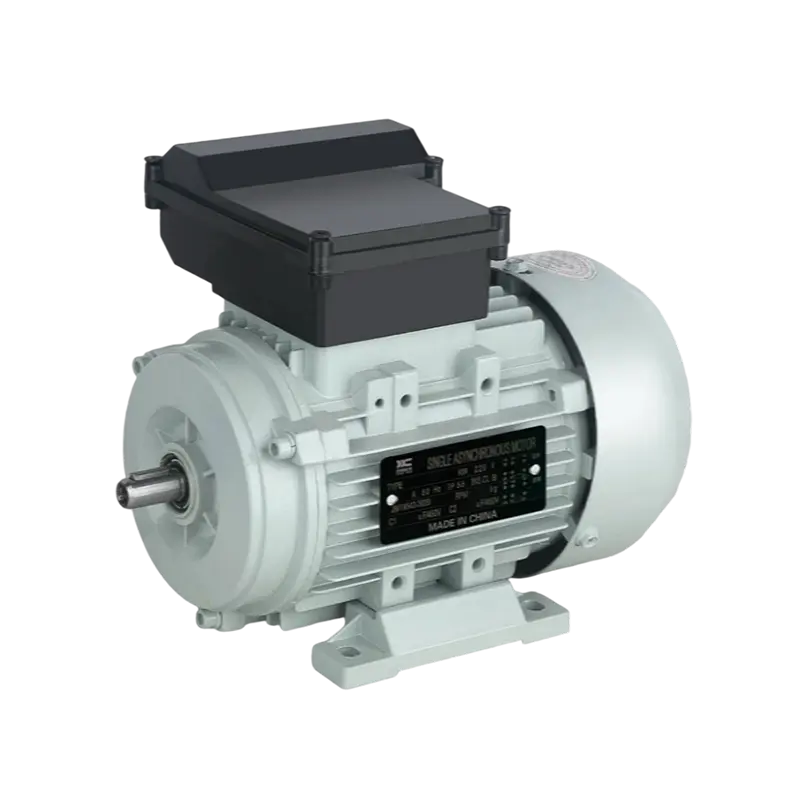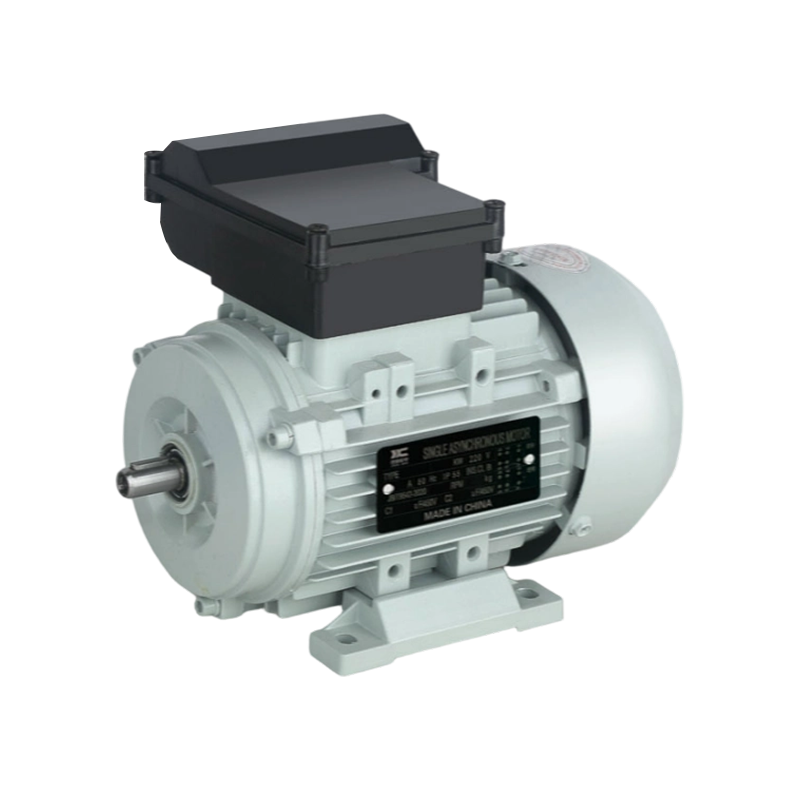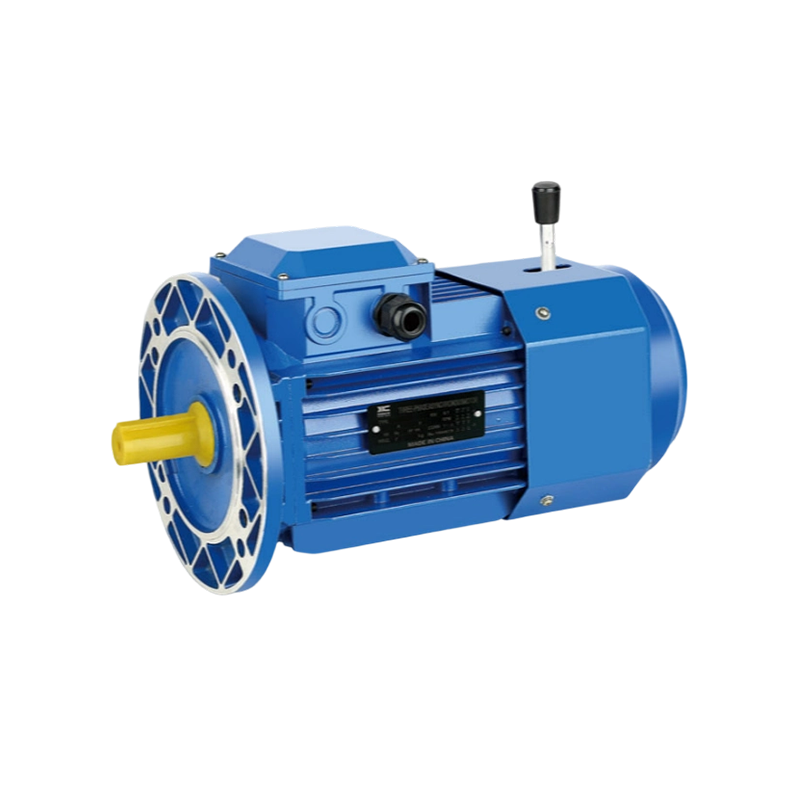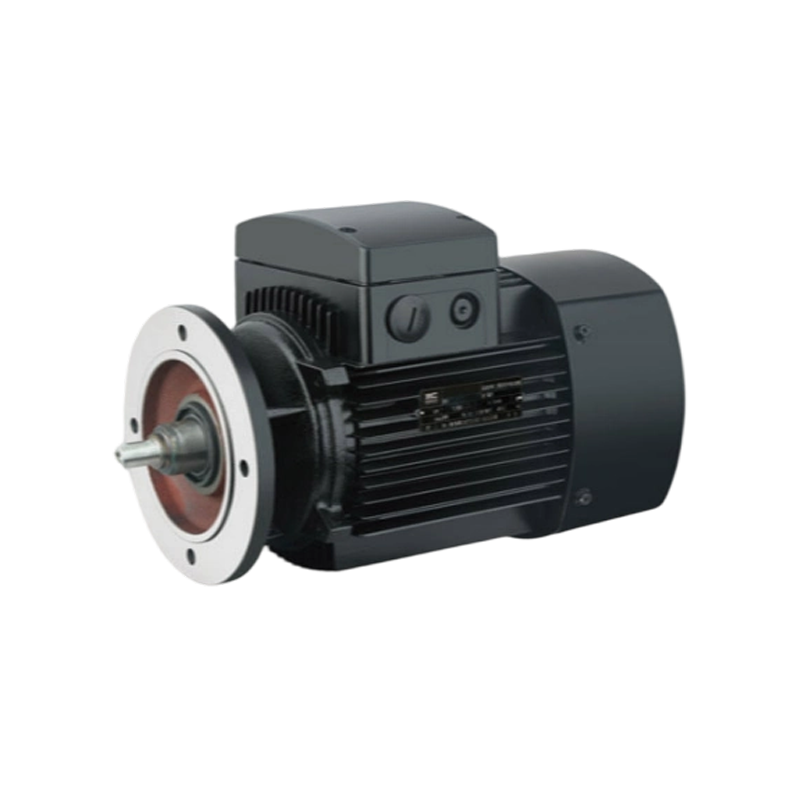

Ordering a capacitor motor requires more than confirming its rated power and purchase price. Differences in supply voltage, operating frequency, capacitor specifications, and winding configuration can affect whether a motor matches the customer's equipment. Missing electrical details may also cause delays during technical confirmation or require changes before production approval.
At Lixiang, we recommend confirming the electrical requirements before finalizing an order. Buyers evaluating a single phase capacitor induction motor should provide clear operating conditions and review the manufacturer's specifications carefully. The following points can help OEM buyers prepare a more complete motor inquiry.
Rated voltage and frequency establish the basic electrical conditions under which a motor is designed to operate. A motor intended for a 220–230 V, 50 Hz supply should not automatically be treated as interchangeable with a model designed for 110–120 V or 60 Hz operation.
Frequency also affects motor speed. The synchronous speed of a four-pole motor is approximately 1,500 rpm at 50 Hz and 1,800 rpm at 60 Hz. Actual induction motor speed is lower under normal load because of slip. Buyers should therefore confirm the rated speed for the exact motor configuration rather than calculate it from frequency alone.
Capacitors help create the phase difference required for single-phase induction motor operation. However, capacitor arrangements vary by motor design, and buyers should not assume that every capacitor motor uses the same configuration.
During quotation discussions, we suggest confirming the capacitor type, capacitance in microfarads (μF), voltage rating, and applicable operating conditions. The correct values depend on the specific motor design. Substituting a capacitor based only on physical size or appearance may cause starting or operating problems.
Rated output power should match the load requirements of the customer's equipment. Buyers should also review rated current and speed because these values help establish whether the motor suits the intended operating conditions.
Starting torque deserves particular attention for equipment such as pumps or machinery that begins operation under load. A motor that runs satisfactorily after starting may still be unsuitable if its starting characteristics do not meet the application's requirements.
Electrical compatibility also depends on the motor's connection arrangement. Buyers should request the correct wiring diagram and confirm how the motor will connect to the intended control system.
Connection procedures vary by model. Installation and testing should follow the manufacturer's documentation, with power isolated and stored capacitor energy handled safely by qualified personnel.
At Lixiang, we encourage OEM buyers to consolidate electrical requirements into one approved specification. This document should include voltage, frequency, rated output, current, speed, capacitor configuration, wiring requirements, and relevant operating conditions.
Buyers should also confirm the motor's mounting dimensions, shaft specifications, enclosure material, and environmental requirements. These mechanical details are important because electrical compatibility alone does not guarantee that the motor will fit the target equipment.
Before approving the quotation, ask the supplier to identify any unconfirmed parameters and provide the applicable datasheet or technical drawing. Written confirmation gives both parties a shared reference for production and inspection.
Reliable capacitor motor procurement begins with accurate electrical information. Confirming supply voltage, frequency, capacitor specifications, rated current, speed, wiring, and protection requirements helps buyers assess whether a proposed motor matches their application.
At Lixiang, we encourage customers to share their equipment requirements and technical documents during the inquiry stage. Clear specifications support more accurate quotations, reduce misunderstandings, and provide a practical foundation for OEM motor orders.
Your email address will not be published. Required fields are marked*
We aim to provide the market and the customers with
high-quality products and customized solutions.
 Zhaoyang Industrial Zone, Daxi Town, Wenling City, Taizhou City, Zhejiang Province, China
 +86-13615760288
 +86-576-86398088


 English
 中文简体
 русский
 Español