Enclosures, Capacitors and How to Select Them The Single Phase Motor Handbook
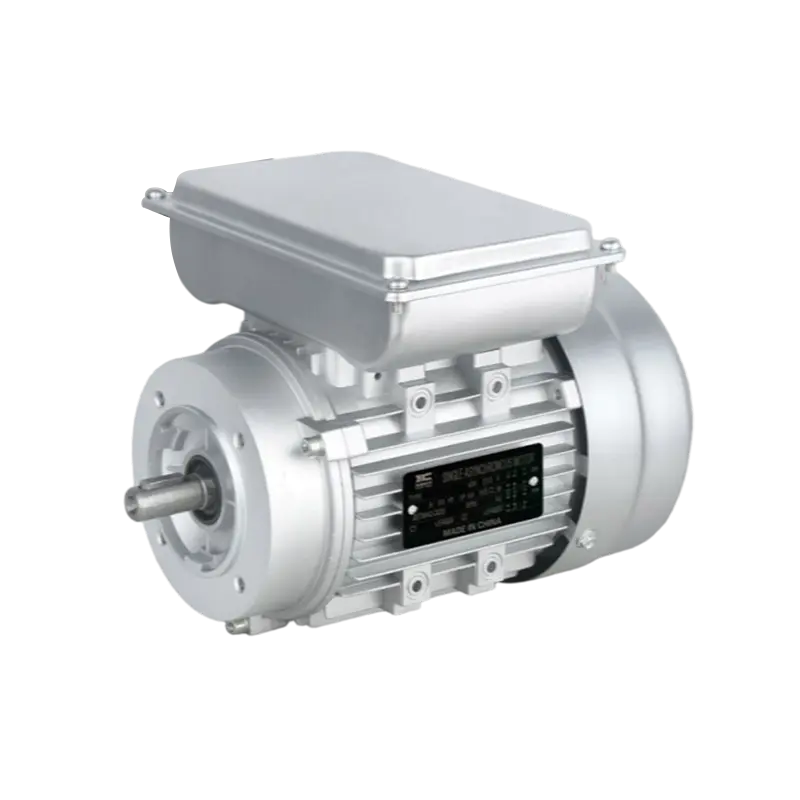
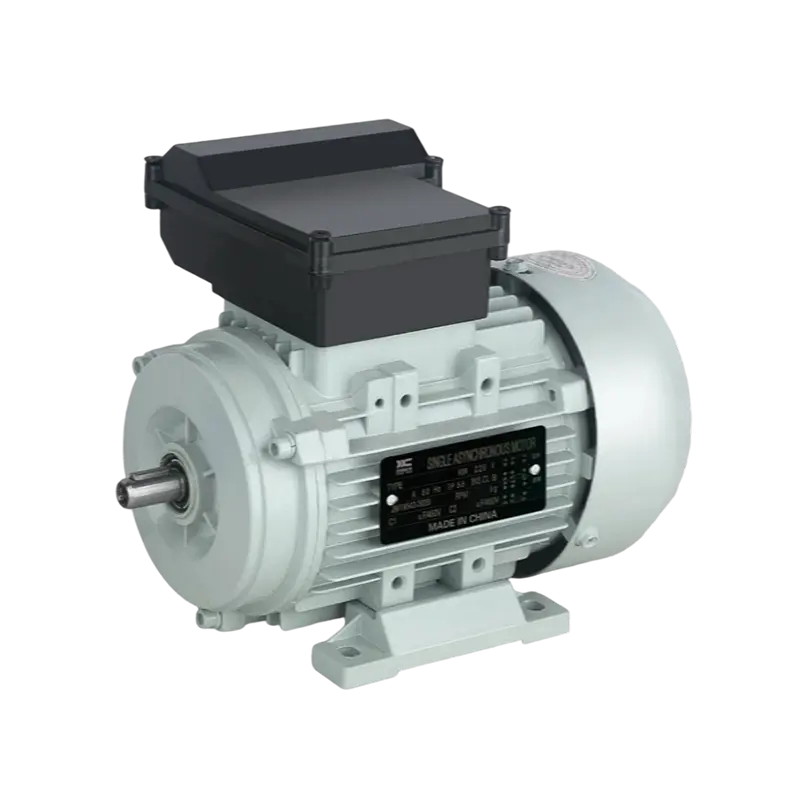
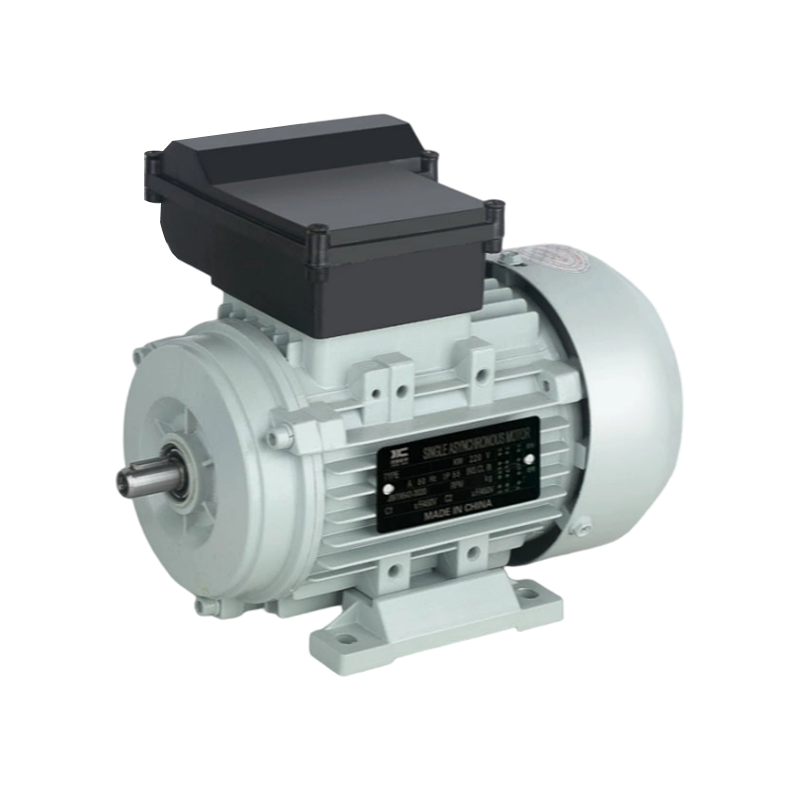
The advantages of aluminium housing over cast iron housing for capacitor induction motors are:
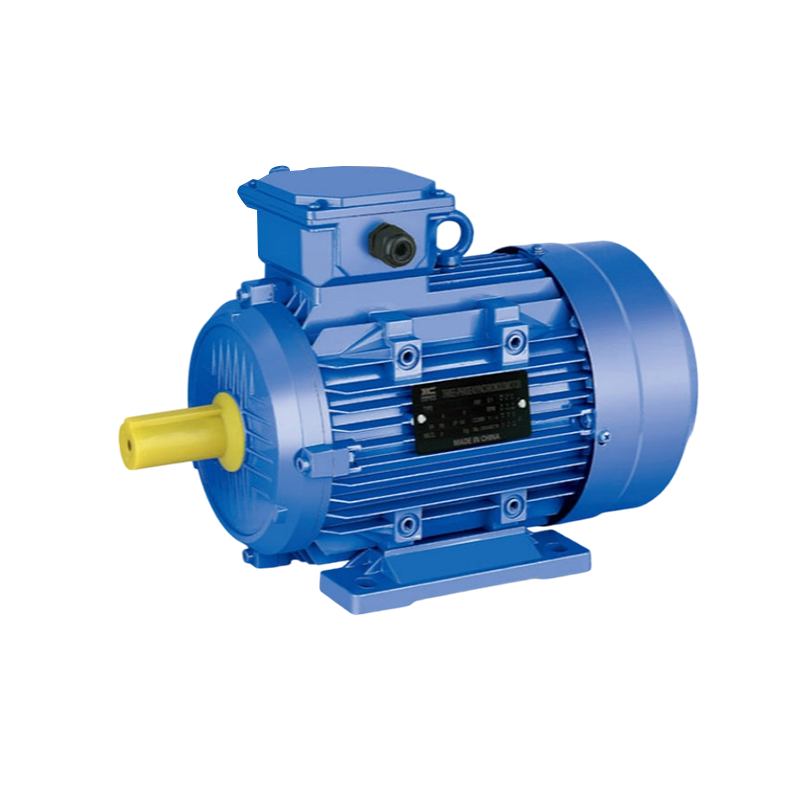
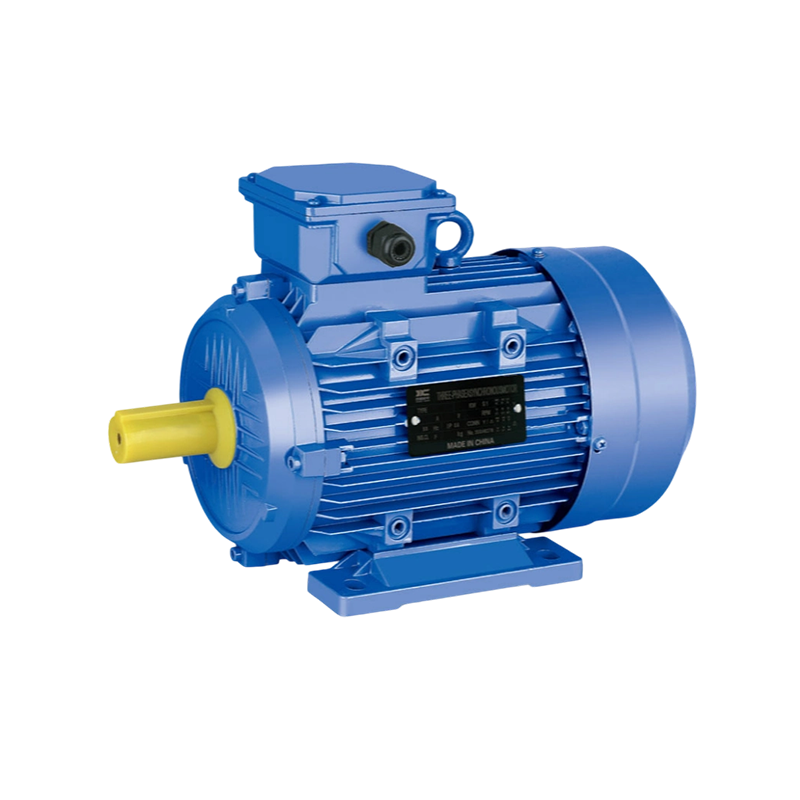
The housing on your capacitor induction motor does more than keep dust out. It will directly affect the unit's cooling capacity, weight, durability, and noise level. Here’s the breakdown.
Aluminum Housings
Aluminum has taken over most general-purpose motor lines over the last twenty years. There are solid reasons for that shift.
- Weight. Aluminum housing is about a third the weight of cast-iron. Less weight means lower shipping costs, easier handling during installation, and less stress on whatever you are mounting the motor to.
- Cooling. Aluminum moves heat about three to four times better than cast iron. Winding temperatures stay lower, which directly extends insulation life.
- Rust? Not an issue. Aluminum forms its own protective oxide layer. In humid plants or washdown areas, that's a real advantage over bare iron.
- Toughness. Drop an aluminum housing, and it'll likely dent. Drop cast iron, and it might crack or shatter—cast iron is brittle.
Go with aluminum for: Most commercial and light industrial jobs—HVAC, pumps, compressors, and standard machinery.
Cast Iron Housings
Cast iron is the old-school heavy lifter. It costs more and weighs a ton, but it does some things that aluminum simply can't match.
- Vibration damping. Gray iron absorbs vibration about 25 to 100 times better than steel, and way better than aluminum. The motor runs quieter and more smoothly.
- Wear resistance. Cast iron is harder than aluminum alloys. It stands up to abrasive environments better over the long haul.
- Stays put. Iron expands and contracts less with temperature swings. Bearing alignment stays tighter when things heat up or cool down.
Go with cast iron for: Heavy industrial environments—mining, rock crushing, marine applications—places where mechanical abuse and constant vibration are just part of the job.
| Property |
Aluminum |
Cast Iron |
| Weight (density) |
~2,700 kg/m³ |
~7,150 kg/m³ |
| Thermal conductivity |
96–167 W/m·K |
~47 W/m·K |
| Vibration damping |
Poor |
Excellent |
| Corrosion resistance |
Good (oxide layer) |
Moderate (needs coatings) |
| Typical use |
General industry, HVAC |
Heavy industry, mining |
Getting the start capacitor right means matching three things: motor horsepower, supply voltage, and microfarad value.
Capacitance Ranges
For 230V supply:
- ¼ HP: 150–200 µF
- ½ HP: 200–300 µF
- 1 HP: 300–500 µF
- 2 HP: 400–600 µF
- 3 HP and up: 600–800+ µF
For 115V supply:
- ⅛ HP: 72–88 µF
- ¼ HP: 108–145 µF
- ½ HP: 216–259 µF
- ¾ to 1 HP: 378–440 µF
Voltage and Duty
- The capacitor's voltage rating needs to exceed your supply by at least 30%. For 230V systems, look for 275–330 VAC minimum.
- Start caps are strictly intermittent duty. Typical rating: about 20 starts per hour, 3 seconds each. Run them continuously and they'll fail fast.
- Don't sweat the exact µF value too much—±20% tolerance is standard. If the old cap is unreadable, use the HP and voltage to ballpark it.
What applications are suited for a capacitor start and run motor versus a standard capacitor-start motor?
These two types of motors look similar but they serve different purposes. That choice impacts the starting torque, running efficiency, and the initial cost.
Capacitor-Start Motors
- What happens: The start capacitor provides the phase shift required by the rotor to start moving. When the motor gets to about 75% of full speed a centrifugal switch cuts it out.
- Torque: up to 300% of full load rating.
- Efficiency: Fair once up and running.
- Cost: Less.
- Good for: Compressors, pumps, conveyors—loads that require a hard shove to get started but don’t run all day.
Capacitor-Start/Capacitor-Run Motors
- What happens: Both a start cap and a run cap are in the circuit during startup. The switch drops the start cap at speed, but the run cap stays connected to the auxiliary winding.
- Torque: Same 300% starting punch.
- Efficiency: Higher running efficiency and better power factor.
- Smoothness: Quieter, with less 120 Hz vibration.
- Cost: Higher.
- Optimal for: Continuous-duty applications such as refrigeration, air conditioning and industrial compressors where the energy savings are worth the extra cost.
| Feature |
Cap-Start |
Cap-Start/Cap-Run |
| Starting torque |
~300% |
~300% |
| Run capacitor? |
No (disconnected) |
Yes (stays in circuit) |
| Running efficiency |
Moderate |
High |
| Noise level |
More noticeable |
Smoother, quieter |
| Price |
Lower |
Higher |



 English
 中文简体
中文简体 русский
 Español