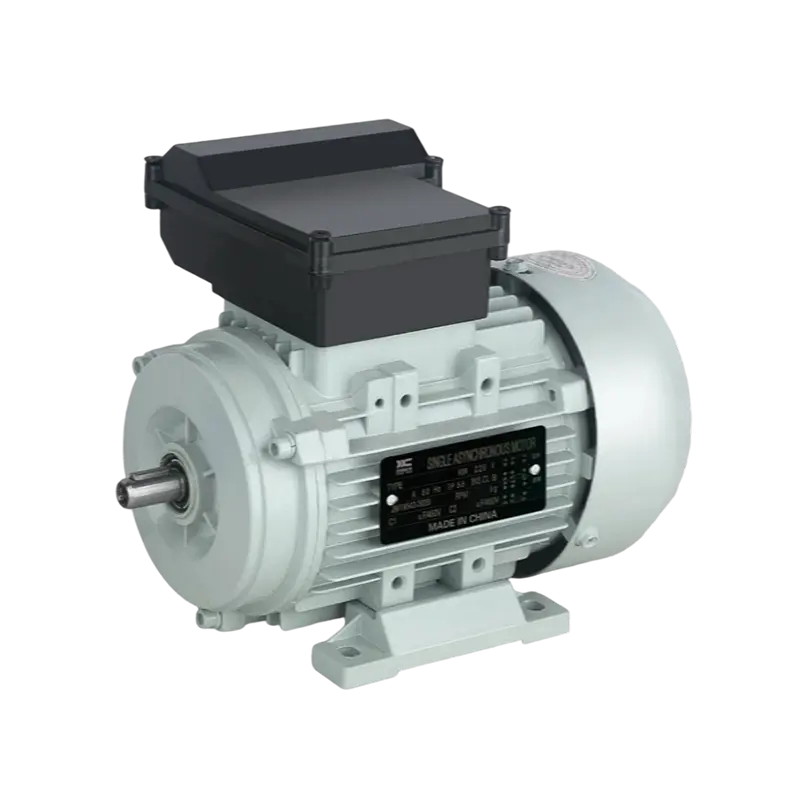
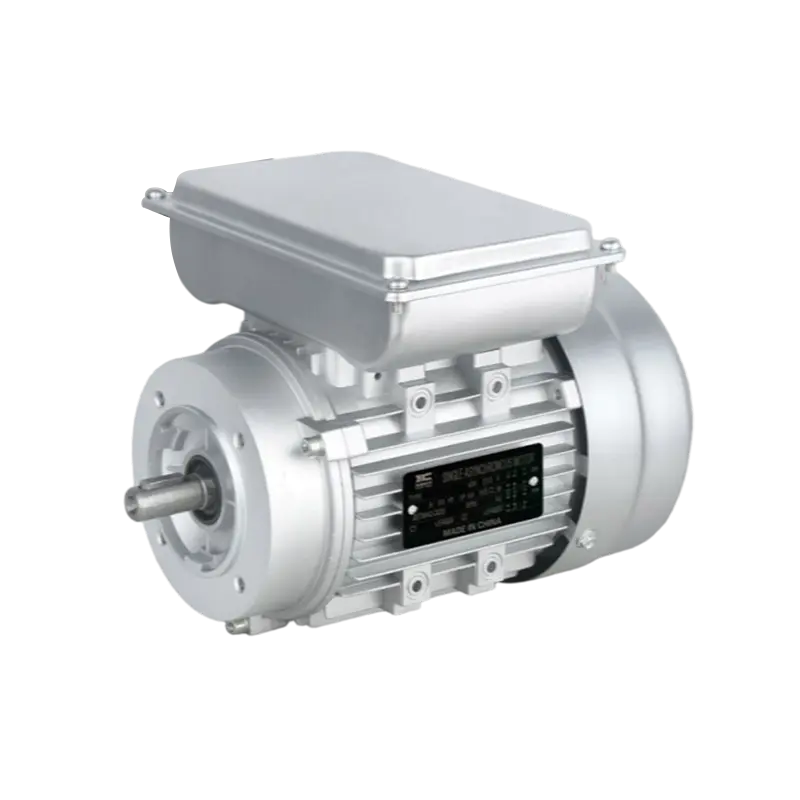
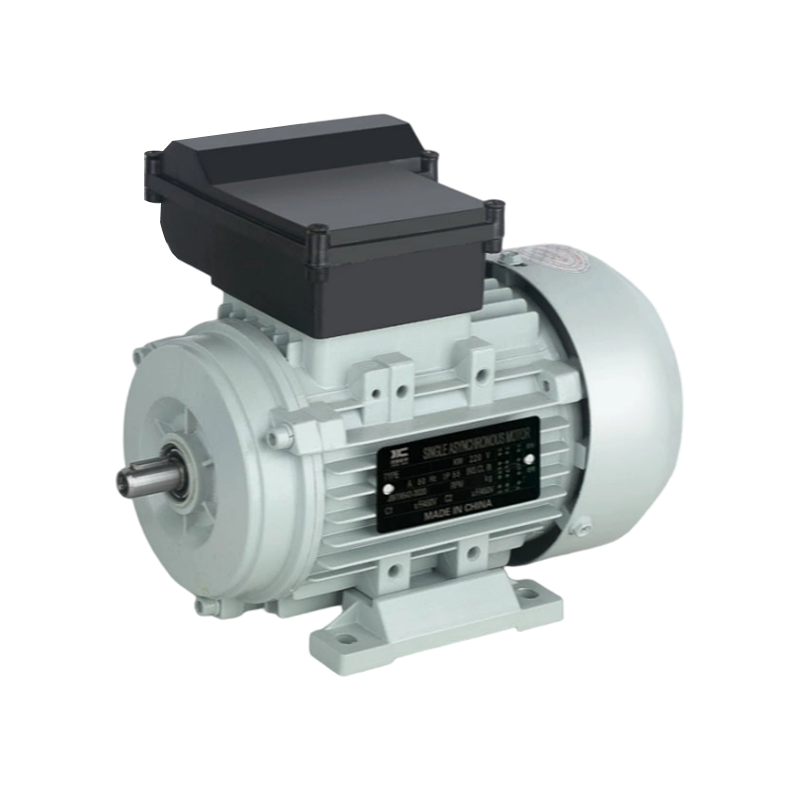
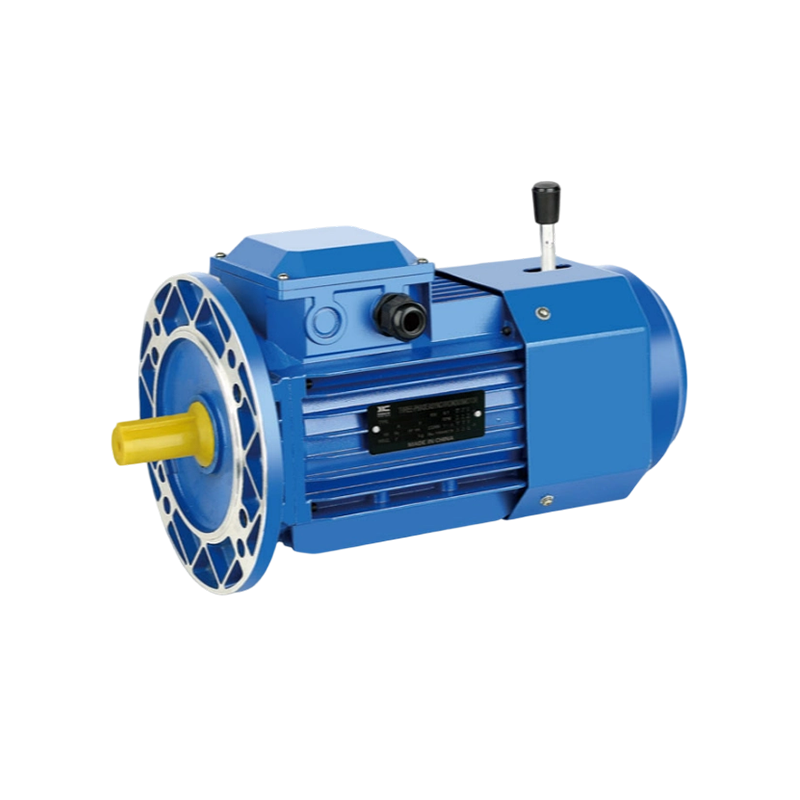
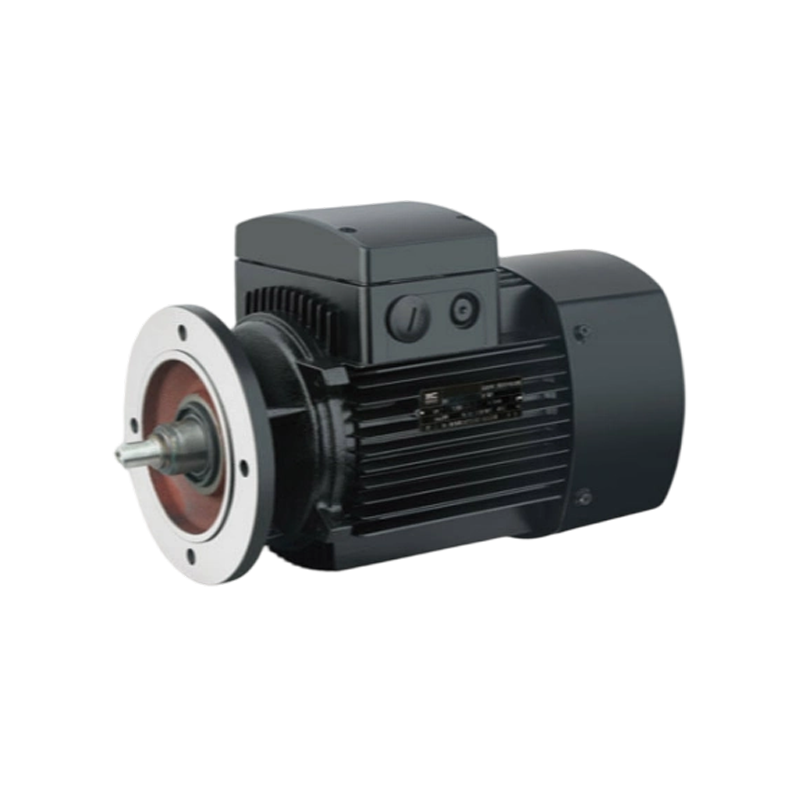
Single-Phase Asynchronous Motors: Troubleshooting, Reversal, and Startup Explained
Reversing a single-phase motor is not that hard. It depends on what kind of motor it is. Single-phase motors are different from three-phase motors, where you just switch two of the power lines.
The Basic Principle
The way a single-phase motor turns is decided by how the main part and the extra part are connected. To make it turn the way you have to change how these parts are connected. You have to switch the connections of one part compared to the other part.
The important thing to remember is that you have to switch the part, not the main part. If you switch the part, the motor will still turn the same way.
Standard Capacitor-Start Motors
For motors that use a capacitor to start and sometimes to keep running:
- Find the extra part leads they are usually labeled T5 and T8 or Z1 and Z2 on some motors.
- Switch these two leads.
- Now the motor will turn the way.
Be careful some motors have four leads and a ground. If the capacitor is on the outside it usually has its terminal board with clear labels. If not look at the motors wiring diagram it is usually on the motor or inside the box cover.
Shaded-Pole Motors
Shaded-pole motors are the exception—they are not reversible by lead swapping. These motors have a permanently shaded portion of the stator pole that fixes the rotation direction. To reverse a shaded-pole motor, you need to physically flip the stator or remove the rotor and turn it end-for-end.
Permanent Split Capacitor (PSC) Motors
For PSC motors, the method is similar to capacitor-start:
- Identify the two capacitor leads.
- Reverse the auxiliary winding connections only.
- The motor will spin the other way.
Quick reference:
| Motor Type |
Reversing Method |
| Capacitor-start / Cap-start-cap-run |
Swap auxiliary winding leads (T5/T8 or Z1/Z2) |
| Permanent Split Capacitor (PSC) |
Swap auxiliary winding leads |
| Shaded-pole |
Physically flip stator, or reverse rotor end-for-end |
Important Safety Note
Always disconnect power before changing any wiring. Once modified, test the motor briefly—if it hums without turning, you may have reversed the main winding instead of the auxiliary. Correct that before running under load.
Why does my monophase asynchronous motor have low torque or fail to start under load?
This is one of the most common complaints from plant operators. A motor that hums but won't spin, or that starts weakly and struggles to come up to speed, is telling you something.
The Starting Capacitor
The start capacitor is the usual suspect. It provides the phase shift needed to generate starting torque. If it's failing:
- Low capacitance. The capacitor has drifted below its rated value. The motor will start unloaded but may not start under load.
- Open circuit. The capacitor is completely dead. The motor hums but won't turn at all.
- Short circuit. The capacitor draws excessive current, often tripping breakers or overheating.
Check the capacitor with a multimeter that has capacitance measurement. Compare the reading against the nameplate value—if it's more than 20% off, replace it.
The Centrifugal Switch
The start switch disconnects the start capacitor once the motor reaches about 75% of full speed. If the switch fails:
- Stuck open: The start circuit never engages. The motor starts weakly or not at all under load.
- Stuck closed: The start capacitor remains in the circuit, overheating and eventually destroying itself.
Listen for a click at shutdown and again during startup—that's the switch. If you hear nothing, the switch may need cleaning or replacement.
Low Supply Voltage
Motors are sensitive to voltage. A 230V motor that sees only 200V at the terminals will produce about 35% less starting torque. Check voltage at the motor terminals under load—not just at the panel. Long cable runs with undersized wire are frequent culprits.
Mechanical Drag
The motor might be fine, but the driven load may be binding. Check for:
- Seized bearings
- Misaligned coupling
- Product buildup in pumps or conveyors
Quick checklist:
- Capacitor value within ±20% of nameplate
- Centrifugal switch clicks at startup and shutdown
- Supply voltage within ±10% of rated value
- Load spins freely by hand (motor disconnected)
- No unusual heat or smells from the motor
How does a 1-phase asynchronous motor start without initial torque, and what is the role of the auxiliary winding?
This gets to the heart of single-phase motor operation. A single-phase motor, at standstill, has no inherent starting torque. The physics behind this is important to understand.
The Problem with Single-Phase Power
A single-phase supply produces a pulsating magnetic field—it alternates but doesn't rotate. This field can be resolved into two rotating fields of equal magnitude, spinning in opposite directions. At standstill, these two fields produce equal and opposite torques. The net starting torque is zero. The motor just sits there humming.
The Auxiliary Winding Solution
To get the motor turning, you need to break this symmetry. The auxiliary winding (also called the start winding) does exactly that.
The auxiliary winding is positioned physically offset from the main winding—usually by 90 electrical degrees. When you place a capacitor in series with this winding, you create a phase shift between the current in the main winding and the current in the auxiliary winding.
Two-Phase Operation During Start
At startup, the motor effectively becomes a two-phase machine for a brief period. The phase-shifted current in the auxiliary winding creates a magnetic field that leads or lags the main field, producing a net rotating magnetic field. The rotor follows this field and begins to turn.
What the auxiliary winding actually does:
- Creates a second magnetic axis, offset from the main axis
- Uses a capacitor to shift the current phase (typically by 30–90°)
- Produces a rotating field that generates starting torque
- Once the motor is moving, the main winding's magnetic field is sufficient to maintain rotation
What Happens During Run
When the motor gets close to the speed the auxiliary winding is typically turned off by the centrifugal switch in capacitor-start designs. The motor then keeps running as a single-phase induction motor.
The motor gets the torque it needs to keep running from the way the windings field and the currents in the rotor interact with each other. The windings field is always changing and this changing field makes currents, in the rotor. The motor uses these currents to keep running.
Quick Summary
| Starting Condition |
What Happens |
| No auxiliary winding |
Zero starting torque—motor hums |
| Auxiliary winding with capacitor |
Phase shift creates starting torque |
| Running (single phase only) |
Main winding sustains rotation |



 English
 中文简体
中文简体 русский
 Español