The Single-Phase Motor Owner's Manual: Applications, Speed Control, and Repair
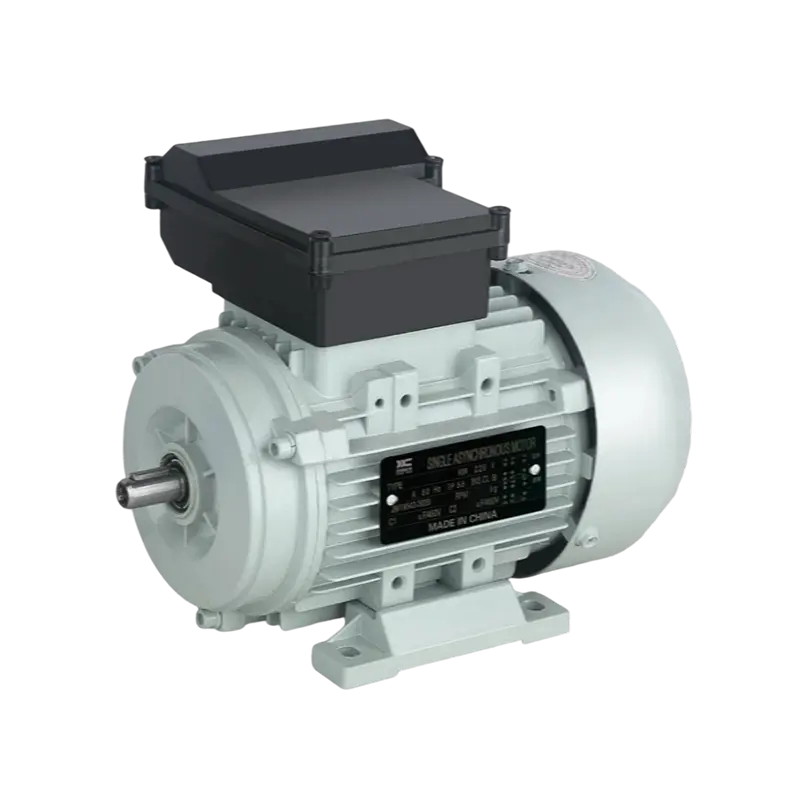
Aluminum Shell Capacitor-Start Motors: Where Do They Fit?
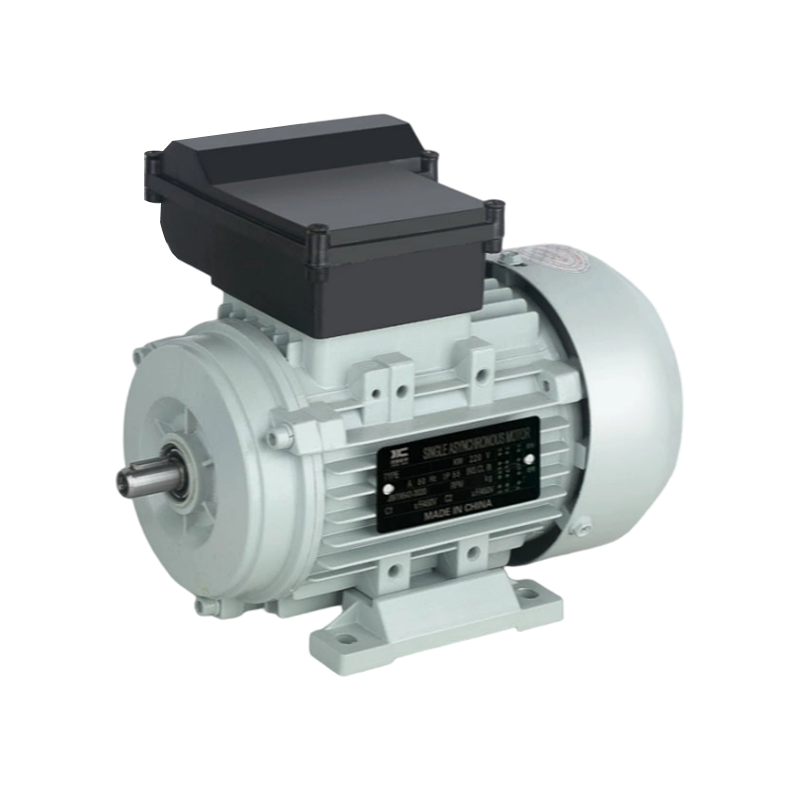
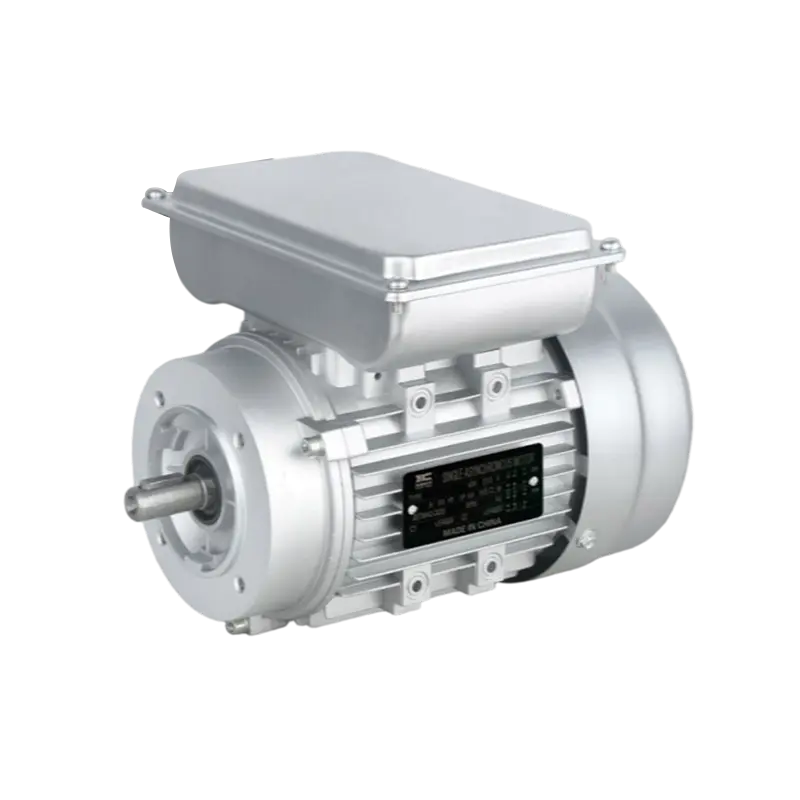
Aluminum shell capacitor-start motors show up everywhere in light commercial and industrial work. They're light. They run cool. They don't rust easily. Here's where they actually get used.
Where You'll Find Them
- HVAC. Rooftop units, air handlers, condenser fans. The aluminum sheds heat well, and the lighter weight makes installation easier when you're working off a ladder.
- Pumping. Pool pumps, irrigation, transfer pumps. The oxide layer handles moisture without rusting out.
- Compressors. Small to medium air compressors. Continuous duty cycles stay within thermal limits because aluminum moves heat so well.
- Farming. Grain augers, feed conveyors, and ventilation fans. Weight matters when equipment moves seasonally.
- General machinery. Woodworking, packaging lines, and small conveyors. All runs fine with aluminum shells.
When to Choose a Material
Aluminum is not suitable for every task. You should avoid using it in the following situations:
- There is vibration. In cases cast iron is a better option.
- Explosion-proof requirements must be met. This is because aluminum does not meet the spark-resistant standards.
- The environment has a lot of grit. Aluminum is softer. Gets scratched more easily.
The key point to remember is that aluminum shell capacitor-start motors are reliable for use in heating, ventilation, and air conditioning (HVAC), pumping, and general machinery applications where weight and cooling are factors.
Adjusting the speed of an induction motor is not as straightforward as it is, with DC motors. There are several methods that can be used. The choice of method depends on your budget, the required torque and the desired speed range.
Variable Frequency Drives (VFDs)
VFDs are the modern standard. They convert fixed AC to variable AC, giving you wide speed control.
- What's good: 10:1 speed range or better, strong torque control, energy savings on fans and pumps, soft starting.
- What's not: Higher upfront cost, needs inverter-duty motors, harmonics, and bearing currents can be problems.
Pole Changing
Some motors use multiple windings you can switch to change the pole count. That gives two fixed speeds—usually 1800 and 1200 RPM at 60 Hz.
- What's good: Simple, no electronics, reliable.
- What's not: Only two speeds, motor costs more, takes up more space.
Mechanical Methods
Sometimes the answer isn't electrical.
- Belt and pulley. Swap pulley sizes for infrequent speed changes.
- Gearboxes. Change ratios mechanically.
- Eddy current clutches. Magnetic field controls speed—less efficient than VFDs but works in niche cases.
Just Dropping Voltage
Lower voltage reduces torque and speed under load. Speed regulation is poor, and efficiency suffers. Rarely worth it.
The bottom line: VFDs offer the most flexibility. Pole-changing is bulletproof for two-speed needs. Mechanical works when you don't change speed often.
Common Faults and How to Fix Single-Phase Motors
Single-phase motors are reliable, but they do break. Here's what usually fails and how to handle it.
Motor Won't Start
Centrifugal switch stuck. The start winding never gets power. Listen for the click at startup—if you don't hear it, check the switch.
Fix: Inspect contacts for pitting or binding. Clean or replace.
The start capacitor is dead. You hear a hum but nothing turns.
Fix: Discharge safely. Test with a meter. Replace with the same µF and voltage rating.
Start winding open. Reads infinite resistance. Rewinding isn't worth it—replace the motor.
Bearings seized. The shaft won't turn by hand.
Fix: Replace bearings if the shaft spins freely after removal.
Runs Slow or Overheats
Run capacitor failed. On cap-start/cap-run motors, torque drops off.
Fix: Test and replace with correct values.
Low voltage. More than 10% below rating causes excess current.
Fix: Check the supply circuit.
Worn bearings. Grinding noise, higher current draw.
Fix: Replace with quality bearings.
Runs Then Shuts Down
Overload relay tripped. Protection doing its job.
Fix: Check for jams or binding. Reset after fixing the cause.
Thermal cutout cycling. Overheating triggers internal protection.
Fix: Clean cooling fan. Address the overload.
Noise or Vibration
Unbalanced rotor. Dirt or damage.
Fix: Clean rotor and fan. Replace damaged parts.
Worn bearings. Grinding or rumbling.
Fix: Replace bearings.
Loose mount. Vibrates against the frame.
Fix: Tighten bolts. Add rubber isolators.
Repair or Replace?
- Repair if: Motor is under 7 years old, parts are available, cost is less than 60% of new.
- Replace if: Over 10 years old, windings burned, or new efficiency standards make it worthwhile.



 English
 中文简体
中文简体 русский
 Español