+86-13615760288
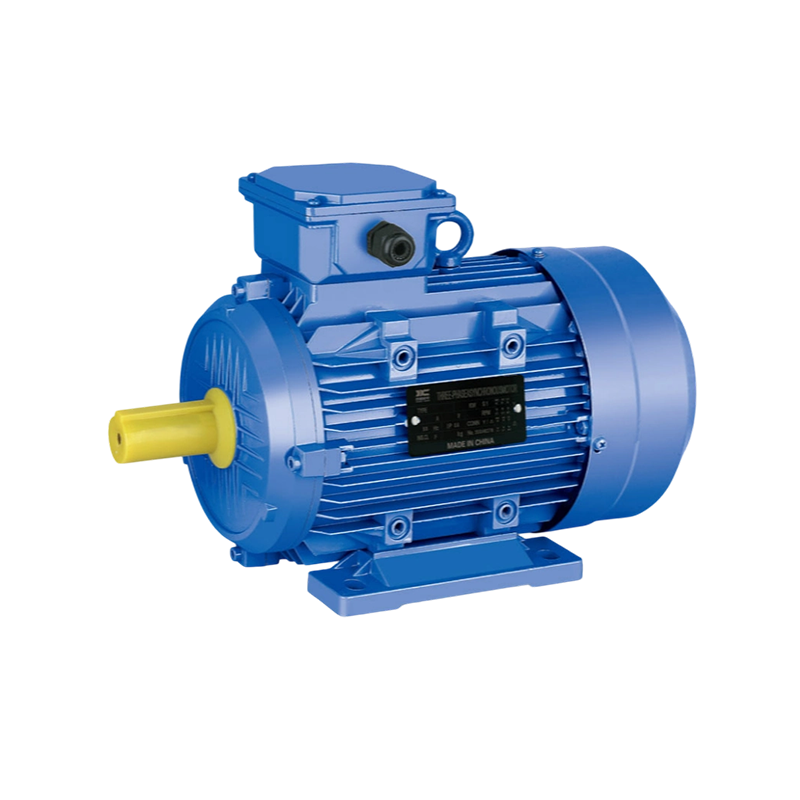
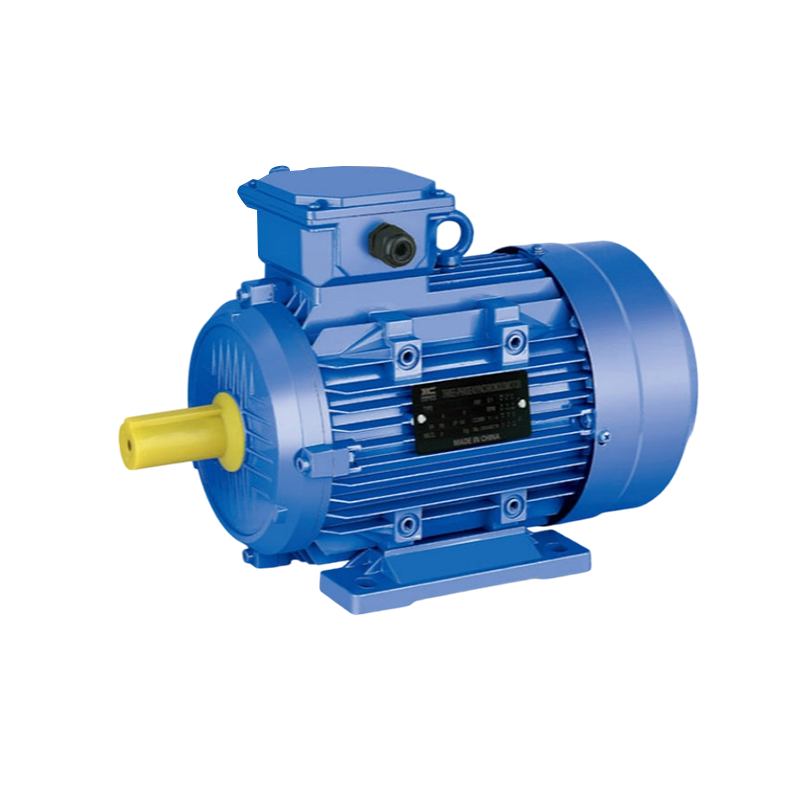
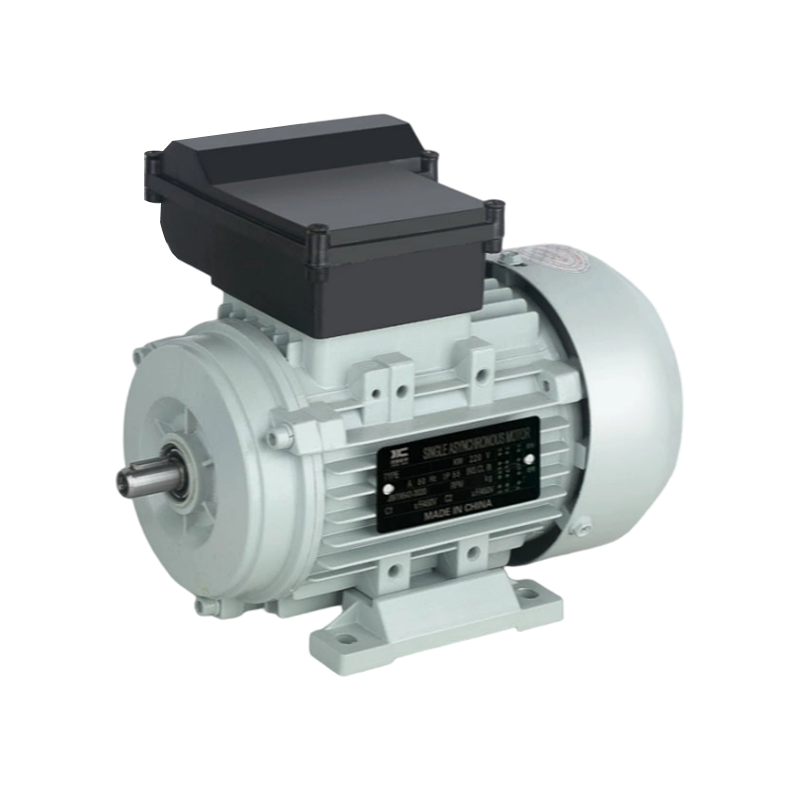
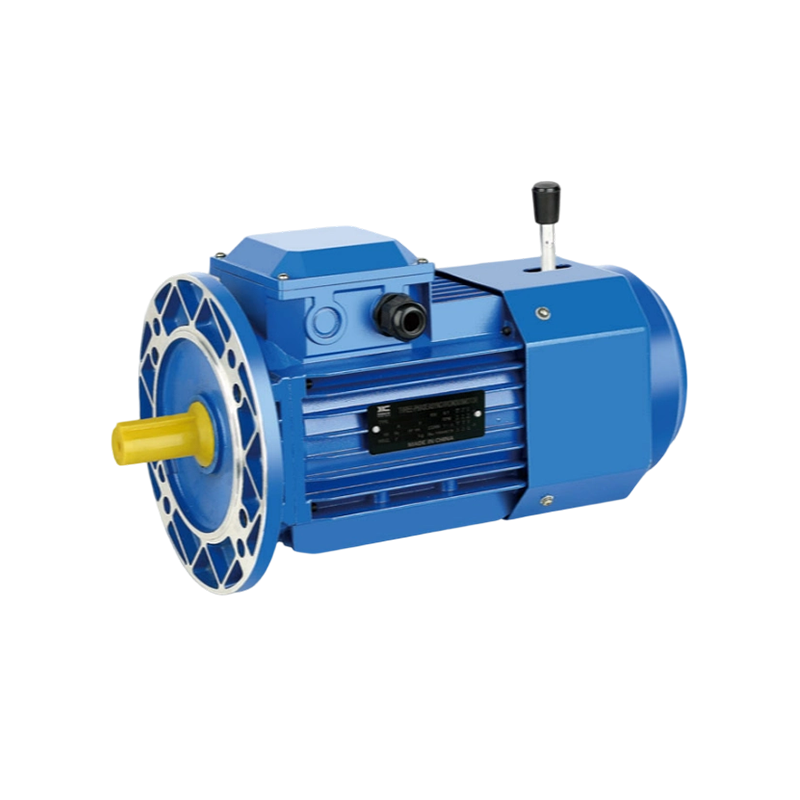
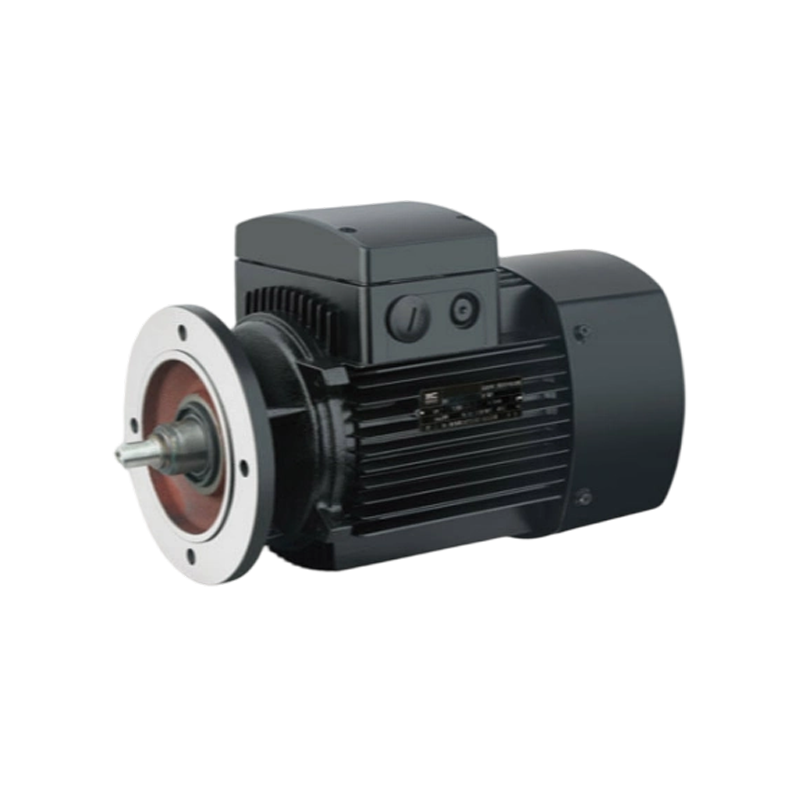
YE2/YE3 Aluminum Shell Three-Phase Asynchronous High-Speed Motor
Home / Products / Aluminum Shell Motors / YE2/YE3 Aluminum Shell Three-Phase Asynchronous High-Speed Motor
  • YE2/YE3 Aluminum Shell Three-Phase Asynchronous High-Speed Motor
  • YE2/YE3 Aluminum Shell Three-Phase Asynchronous High-Speed Motor
  • Product Details
  • FAQ

3000r/min 380V 50Hz

TYPE Rated
output
Rated
speed
Efficency Power
foctor
Rated
current
Rated
torque
Locked
rotor torque/Rated torque
Maximum
torque/Rated torque
Locked
rotor current/Rated current
KW HP RPM η% COSφ A Nm
YE2-801-2 0.75 1 2875 77.4 0.83 1.77 2.49 2.3 2.3 7
YE2-802-2 1.1 1.5 2875 79.6 0.84 2.5 3.65 2.2 2.3 7.3
YE2-90S-2 1.5 2 2890 81.3 0.84 3.32 4.96 2.2 2.3 7.6
YE2-90L-2 2.2 3 2890 83.2 0.85 4.72 7.27 2.2 2.3 7.6
YE2-100L-2 3 4 2890 84.6 0.87 6.17 9.91 2.2 2.3 7.8
YE2-112M-2 4 5.5 2910 85.8 0.88 8.04 13.1 2.2 2.3 8.3
YE2-132S1-2 5.5 7.5 2930 87 0.86 11.2 17.9 2 2.3 8.3
YE2-132S1-2 7.5 10 2840 88.1 0.88 14.6 25.2 2 2.3 7.9
YE2-160M1-2 11 15 2930 89.4 0.89 21.2 35.9 2 2.3 8.1
YE2-160M2-2 15 20 2930 90.3 0.89 28.4 48.9 2 2.3 8.1
YE2-160L-2 18.5 25 2935 90.9 0.89 34.7 60.2 2 2.3 8.2
YE2-180M-2 22 30 2940 91.3 0.88 41.6 71.5 2 2.3 8.2

1500r/min 380V 50Hz

TYPE Rated
output
Rated
speed
Efficency Power
foctor
Rated
current
Rated
torque
Locked
rotor torque/Rated torque
Maximum
torque/Rated torque
Locked
rotor current/Rated current
KW HP RPM η% COSφ A Nm
YE2-802-4 0.75 1 1400 79.6 0.76 1.88 5.12 2.3 2.3 6.6
YE2-90S-4 1.1 1.5 1440 81.4 0.77 2.67 7.3 2.3 2.3 6.8
YE2-90L-4 1.5 2 1440 82.8 0.77 3.57 9.95 2.3 2.3 7
YE2-100L1-4 2.2 3 1440 84.3 0.81 4.9 14.6 2.3 2.3 7.6
YE2-1002L-4 3 4 1440 85.5 0.82 6.5 19.9 2.3 2.3 7.6
YE2-112M-4 4 5.5 1440 86.6 0.82 8.56 26.5 2.2 2.3 7.8
YE2-132S-4 5.5 7.5 1450 87.7 0.83 11.5 36.2 2 2.3 7.9
YE2-132M-4 7.5 10 1450 88.7 0.84 15.3 49.4 2 2.3 7.5
YE2-160M-4 11 15 1460 89.8 0.84 22.2 72 2.2 2.3 7.7
YE2-160L-4 15 20 1460 90.6 0.85 29.6 98.1 2.2 2.3 7.8
YE2-180M-4 18.5 25 1470 91.2 0.85 35.8 120.2 2 2.3 7.8
YE2-180L-4 22 30 1470 91.5 0.86 42.4 142.9 2 2.3 7.8

1000r/min 380V 50Hz

TYPE Rated
output
Rated
speed
Efficency Power
foctor
Rated
current
Rated
torque
Locked
rotor torque/Rated torque
Maximum
torque/Rated torque
Locked
rotor current/Rated current
KW HP RPM η% COSφ A Nm
YE2-90S-6 0.75 1 930 75.9 0.72 2.09 7.7 2 2.1 6
YE2-90L-6 1.1 1.5 940 78.1 0.72 2.97 11.2 2 2.1 6
YE2-100L-6 1.5 2 940 79.8 0.75 3.8 15.2 2 2.1 6.5
YE2-112M-6 2.2 3 960 81.8 0.76 5.38 21.9 2 2.1 6.6
YE2-132S-6 3 4 960 83.3 0.76 7.2 29.8 2 2.1 6.8
YE2-132M1-6 4 5.5 960 84.6 0.76 9.45 39.8 2 2.1 6.8
YE2-132M2-6 5.5 7.5 960 86 0.77 12.6 54.7 2 2.1 7
YE2-160M-6 7.5 10 970 87.2 0.78 16.8 73.8 2 2.1 7
YE2-160L-6 11 15 970 88.7 0.78 24.2 108.3 2 2.1 7.2
YE2-180L-6 15 20 970 89.7 0.81 31.4 147.7 2 2.1 7.3

3000r/min 380V 50Hz

TYPE Rated
output
Rated
speed
Efficency Power
foctor
Rated
current
Rated
torque
Locked
rotor torque/Rated torque
Maximum
torque/Rated torque
Locked
rotor current/Rated current
KW HP RPM η% COSφ A Nm
YE3-801-2 0.75 1 2880 80.7 0.82 1.72 2.49 2.3 2.3 7
YE3-802-2 1.1 1.5 2880 82.7 0.83 2.43 3.65 2.2 2.3 7.3
YE3-90S-2 1.5 2 2895 84.2 0.84 3.22 4.95 2.2 2.3 7.6
YE3-90L-2 2.2 3 2895 85.9 0.85 4.58 7.26 2.2 2.3 7.6
YE3-100L-2 3 4 2895 87.1 0.87 6.02 9.9 2.2 2.3 7.8
YE3-112M-2 4 5.5 2905 88.1 0.88 7.84 13.1 2.2 2.3 8.3
YE3-132S1-2 5.5 7.5 2930 89.2 0.88 10.6 17.9 2 2.3 8.3
YE3-132S1-2 7.5 10 2930 90.1 0.88 14.4 24.4 2 2.3 7.9
YE3-160M1-2 11 15 2945 91.2 0.89 20.6 35.7 2 2.3 8.1
YE3-160M2-2 15 20 2945 91.9 0.89 27.9 48.6 2 2.3 8.1
YE3-160L-2 18.5 25 2940 92.4 0.89 34.2 60.1 2 2.3 8.2
YE3-180M-2 22 30 2955 92.7 0.89 40.5 71.1 2 2.3 8.2

1500r/min 380V 50Hz

TYPE Rated
output
Rated
speed
Efficency Power
foctor
Rated
current
Rated
torque
Locked
rotor torque/Rated torque
Maximum
torque/Rated torque
Locked
rotor current/Rated current
KW HP RPM η% COSφ A Nm
YE3-802-4 0.75 1 1420 82.5 0.75 1.84 5.04 2.3 2.3 6.6
YE3-90S4 1.1 1.5 1445 84.1 0.77 2.61 7.27 2.3 2.3 6.8
YE3-90L-4 1.5 2 1435 85.3 0.81 3.47 9.91 2.3 2.3 7
YE3-100L1-4 2.2 3 1435 86.7 0.82 4.76 14.6 2.3 2.3 7.6
YE3-100L2-4 3 4 1440 87.7 0.82 6.34 20 2.3 2.3 7.6
YE3-112M-4 4 5.5 1460 88.6 0.82 8.37 26.5 2.2 2.3 7.8
YE3-132S-4 5.5 7.5 1460 89.6 0.83 11.2 36 2 2.3 7.9
YE3-132M-4 7.5 10 1460 90.4 0.84 15 49.1 2 2.3 7.5
YE3-160M-4 11 15 1465 91.4 0.85 21.5 71.7 2.2 2.3 7.7
YE3-160L-4 15 20 1465 92.1 0.86 28.8 97.8 2.2 2.3 7.8
YE3-180M-4 18.5 25 1470 92.6 0.86 35.3 120.2 2 2.3 7.8
YE3-180L-4 22 30 1470 93 0.86 41.8 142.9 2 2.3 7.8

1000r/min 380V 50Hz

TYPE Rated
output
Rated
speed
Efficency Power
foctor
Rated
current
Rated
torque
Locked
rotor torque/Rated torque
Maximum
torque/Rated torque
Locked
rotor current/Rated current
KW HP RPM η% COsφ A Nm
YE3-90S-6 0.75 1 935 78.9 0.71 2.03 7.66 2 2.1 6
YE3-90L-6 1.1 1.5 945 81 0.73 2.83 11.1 2 2.1 6
YE3-100L-6 1.5 2 949 82.5 0.73 3.78 15.1 2 2.1 6.5
YE3-112M-6 2.2 3 955 84.3 0.74 5.36 22 2 2.1 6.6
YE3-132S-6 3 4 968 85.6 0.74 7.2 29.6 2 2.1 6.8
YE3-132M1-6 4 5.5 968 86.8 0.74 9.46 39.5 2 2.1 6.8
YE3-132M2-6 5.5 7.5 968 88 0.75 12.7 54.3 2 2.1 7
YE3-160M-6 7.5 10 970 89.1 0.79 16.2 73.8 2 2.1 7
YE3-160L-6 11 15 970 90.3 0.8 23.1 108.3 2 2.1 6.2
YE3-180L-6 15 20 975 91.2 0.81 30.9 146.9 2 2.1 7.3
Message Feedback
About
Zhejiang Lixiang Electromechanical Co., Ltd.
Zhejiang Lixiang Electromechanical Co., Ltd. is a small and medium-sized motor manufacturing enterprise that integrates design, production, research and development, sales, and service. The company possesses advanced production equipment and a team of capable technical personnel. With scientific management methods and strong operational capabilities, it continues to advance steadily in the competitive market.
These motors are widely used in industries including food processing, textiles, papermaking, packaging, ceramics, chemicals, livestock machinery, woodworking, and agricultural water conservancy. The products are well-received and sold across multiple provinces and cities nationwide.
News

The Industrial Motor Specifier's Handbook: High-Speed, Traction, and Harsh-Duty Applications

What is a three-phase asynchronous high-speed motor and how does it work?

You hear them every day on the plant floor. Three-phase asynchronous motors—induction motors, to most of us—don't spin in perfect sync with the power feed. That 1-3% slip isn't a bug. It's what generates torque.

Here's the physics: Three-phase power comes into the stator and generates a rotating magnetic field. This field induces a voltage in the rotor bars and causes current to flow through them. Torque is generated by the rotor current interacting with the field in the stator, which pulls the rotor along. But if the rotor ever got up to synchronous speed there would be no relative motion. There is no induced current if there is no relative motion. Zero induced current = zero torque. Thus, it is always behind.

High-speed versions typically have two poles. On 60 Hz, that's 3,600 rpm synchronous. The rotor itself? Just a cage of conductor bars shorted at both ends. No brushes. No slip rings. Nothing to service. That rugged simplicity is why they dominate the industry.

Quick reference:

  • Synchronous speed (rpm) = (120 × frequency) ÷ poles
  • Actual rotor speed = synchronous speed × (1 - slip)
  • Slip runs 1% to 3% at full load

How does an AC asynchronous traction motor differ from a DC traction motor?

Rail and EV engineers debate this constantly. Short answer: AC induction motors have largely replaced DC designs in new equipment.

DC traction motors—the old way: Older locomotives and early EVs used series-wound DC motors. Great starting torque, which you need for heavy trains. But they rely on brushes and a commutator. Those are mechanical contacts. They wear out. They need replacement. They limit top speed.

AC asynchronous traction motors—the modern choice: Power electronics—IGBTs, thyristors, inverters—make variable-frequency AC practical for traction. The benefits:

  • No brushes or commutator. Nothing to replace.
  • Lighter and more compact for the same power.
  • Processors shape torque curves and run slip prevention.
  • Run cooler and waste less energy.
Feature DC Traction AC Asynchronous Traction
Brushes/commutator Yes (wear items) No
Starting torque Very high High (electronic)
Top speed Limited Higher
Maintenance Regular service Minimal
Control Simple Requires inverter

Bottom line: For new traction—rail or road—AC asynchronous is the default. Higher electronics cost pays back through lower upkeep and better life.

Is the aluminum shell motor suitable for harsh or outdoor environments?

Honest answer: it depends. "Harsh" means different things at a chemical plant versus a quarry.

Where aluminum works:

  • About one-third the mass of cast iron. Easier to handle.
  • Thermal conductivity around 205 W/m·K. Pulls heat out well.
  • Natural oxide layer resists corrosion in most conditions.
  • Many carry IP55 or higher ratings for dust and water jets.

Where aluminum struggles:

  • Softer than cast iron. Won't take heavy impacts or severe vibration.
  • Susceptible to chlorine and sulphuric acid.
  • Premium alloys cost more.

Practical advice:

Aluminum is the preferred material for most outdoor applications, such as pump stations, fans, and conveyor drives in covered areas. Will not rust. It radiates heat. If properly sealed it can stand normal weather. But if you have aggressive washdown chemicals, heavy mechanical shock, or a mounting location that takes a physical beating, stick with cast iron. Alloys such as 6061-T6 (yield strength of around 310 MPa) are of some help but still do not compare to cast iron for toughness.

decision checklist

  • Aluminium is suitable for: Corrosive atmospheres (excl. chlorine/sulphuric acid), high ambient heat, weight-sensitive applications, standard outdoor use.
  • Aluminum is not ideal for high-impact areas, exposure to chlorides or strong acids, or applications requiring maximum ruggedness.