
Signing a motor supply contract involves more than agreeing on a unit price and delivery schedule. Unclear technical requirements, incomplete inspection procedures, or vague warranty conditions can create disagreements after an order enters production. OEM buyers need written terms that define the motor configuration, supplier responsibilities, acceptance requirements, and procedures for handling changes.
At Lixiang, we believe clear contract communication helps both parties establish realistic expectations before production begins. Buyers comparing 3 phase motor manufacturers should review the following contract provisions carefully to ensure that the agreed scope matches their equipment requirements and purchasing plans.
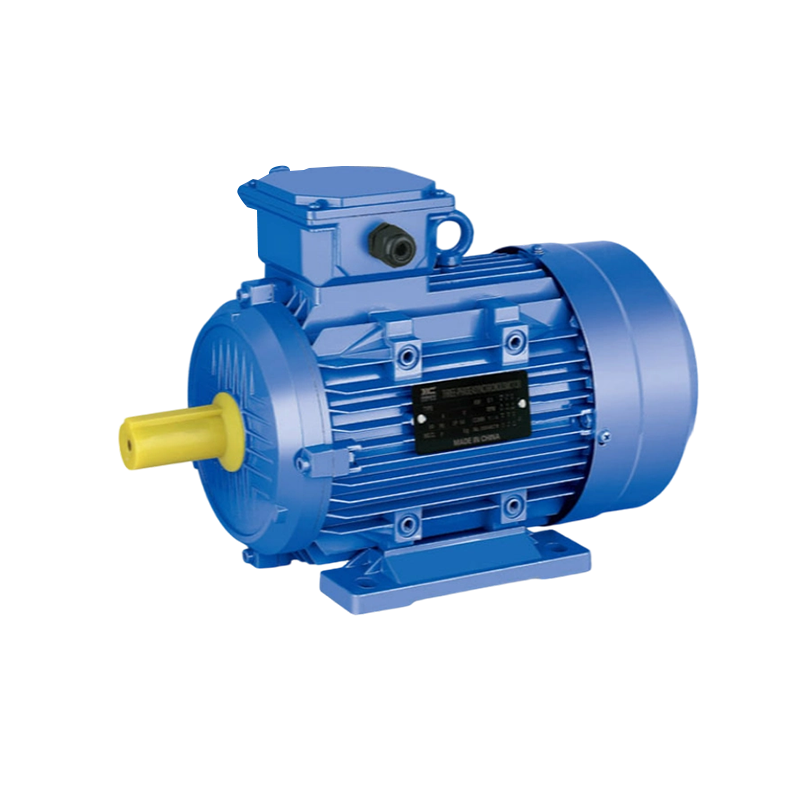
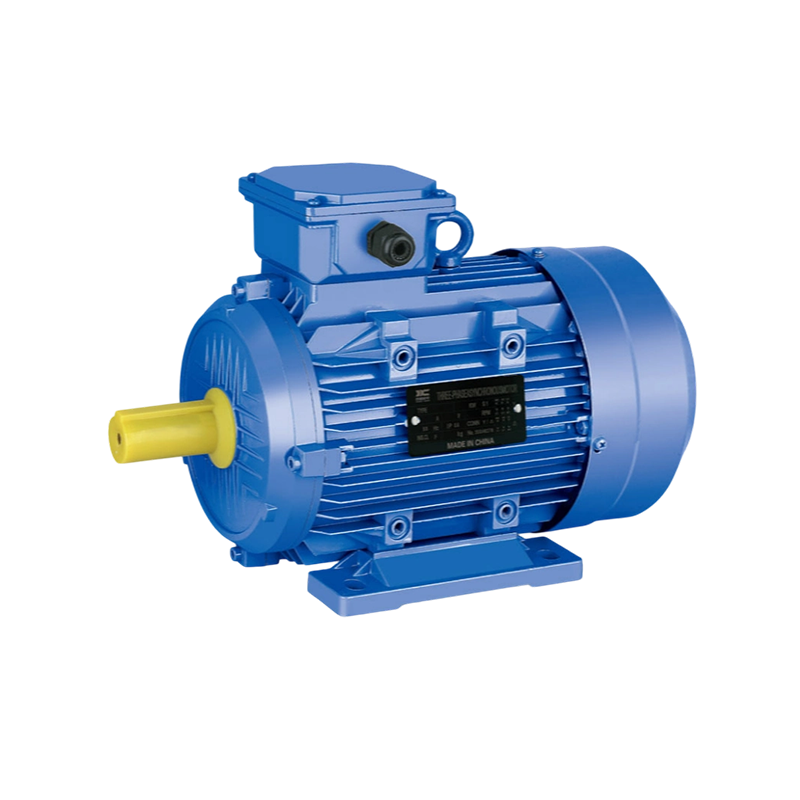
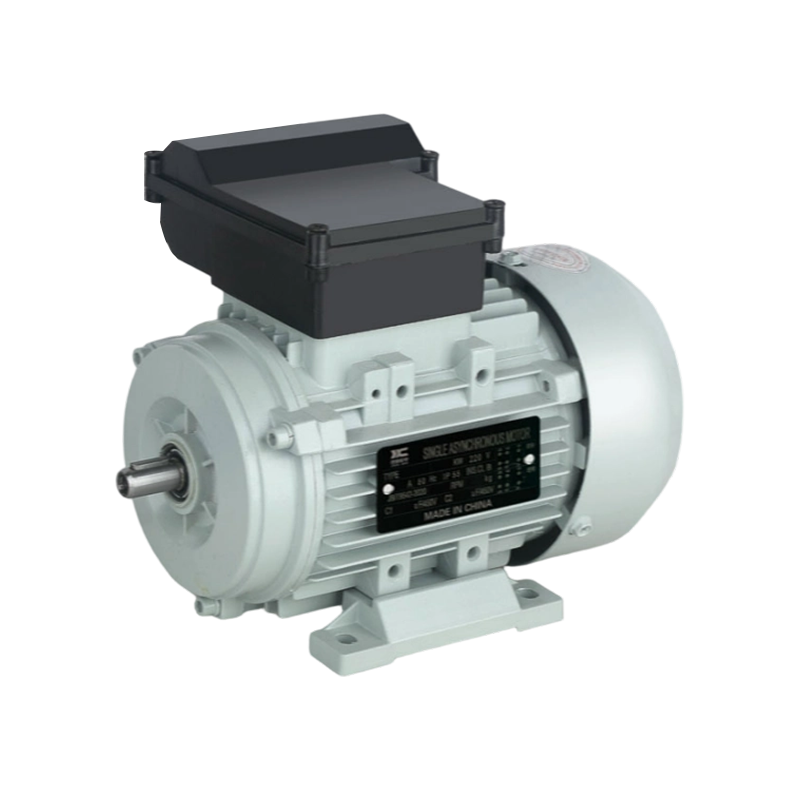
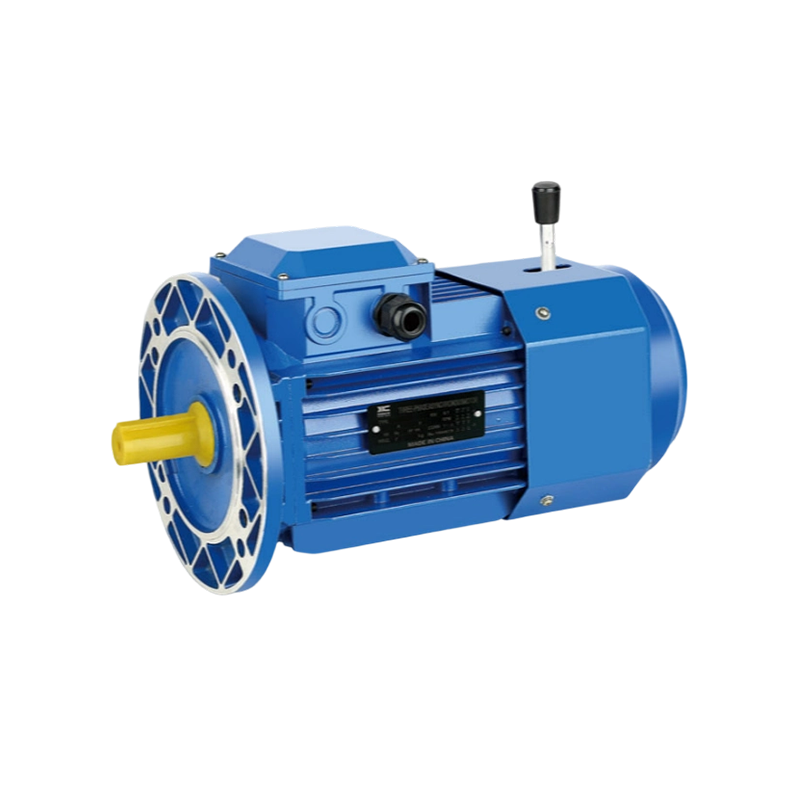
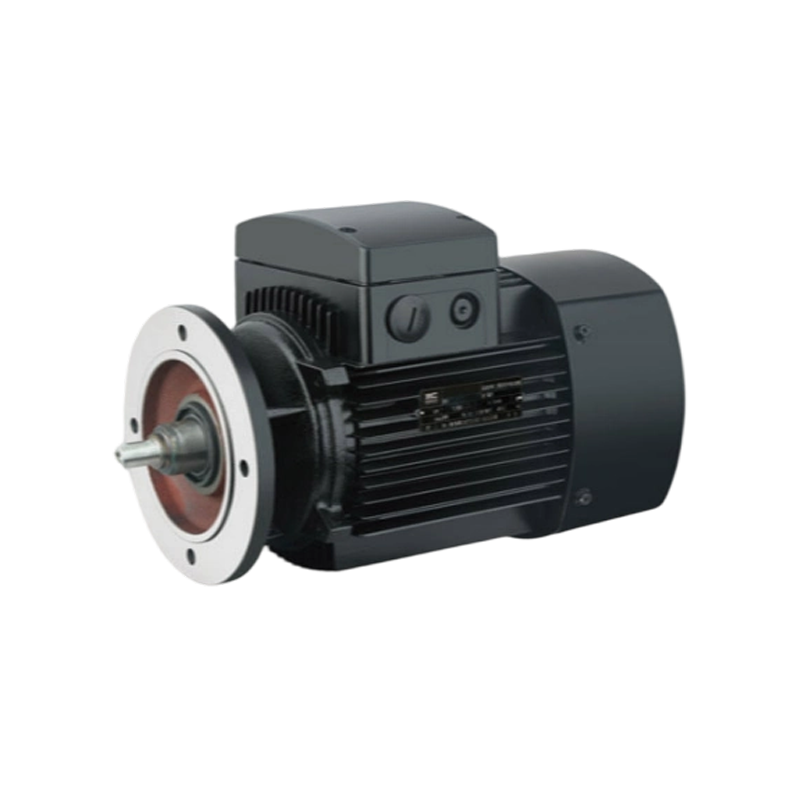
The contract should identify the exact motor model and its agreed technical parameters. General descriptions such as three-phase induction motor or high-efficiency motor are not sufficient to define every requirement for an OEM project.
For example, a 5.5 kW motor designed for 400 V, 50 Hz operation should not be considered interchangeable with another motor simply because both have the same rated output. Differences in mounting dimensions, speed, protection rating, or starting characteristics may affect installation and operation.
Quality requirements should describe how the buyer and manufacturer will determine whether the supplied motors comply with the contract. A general statement that products must meet acceptable quality standards leaves room for different interpretations.
Before signing, clarify these points:
At Lixiang, we recommend defining the required evidence alongside the acceptance criteria. The contract should also explain how nonconforming products will be assessed and how corrective actions will be agreed upon.
Delivery provisions should distinguish production completion, shipment, and arrival at the agreed destination. These milestones are not necessarily the same, particularly for international OEM orders.
Buyers should also establish who arranges freight, insurance, export documentation, and import formalities. Clearly allocated responsibilities help prevent unexpected expenses and disputes during shipment.
Commercial terms should explain the amount payable, payment milestones, currency, and conditions associated with each payment. A quotation may not cover every detail needed for a binding purchase agreement.
A written change-control procedure is particularly useful for customized motors. Any adjustment to materials, dimensions, performance requirements, or packaging should be documented with its cost and schedule implications before implementation.
A warranty clause should explain more than its duration. Buyers need to understand which defects are covered, how claims are submitted, and what remedies may be available under the contract.
Warranty coverage and remedies should be negotiated according to the motor application and commercial agreement rather than assumed to be identical across suppliers.
OEM projects may involve revised drawings, changes in order quantities, or adjustments to technical requirements. The contract should establish who can authorize changes and how both parties confirm the revised scope.
We recommend clarifying the following provisions before approval:
For international purchases, buyers should have the contract reviewed by qualified legal counsel familiar with the relevant jurisdictions and transaction structure.
A well-defined motor contract connects the technical specification with quality acceptance, delivery responsibilities, payment conditions, warranty coverage, and change management. Each provision should describe measurable requirements and clearly assign responsibilities to the buyer and manufacturer.
At Lixiang, we encourage OEM customers to resolve outstanding questions before approving an order. By attaching the correct technical documents and recording commercial commitments in writing, both parties can reduce ambiguity and establish a clearer basis for production, inspection, and delivery.
Your email address will not be published. Required fields are marked*
We aim to provide the market and the customers with
high-quality products and customized solutions.
 Zhaoyang Industrial Zone, Daxi Town, Wenling City, Taizhou City, Zhejiang Province, China
 +86-13615760288
 +86-576-86398088


 English
 中文简体
 русский
 Español