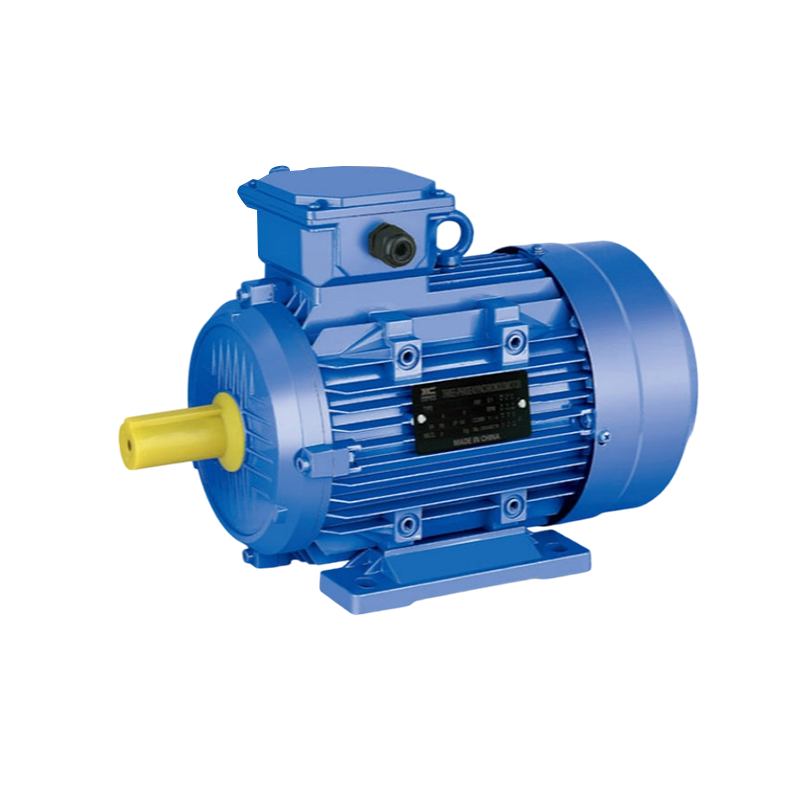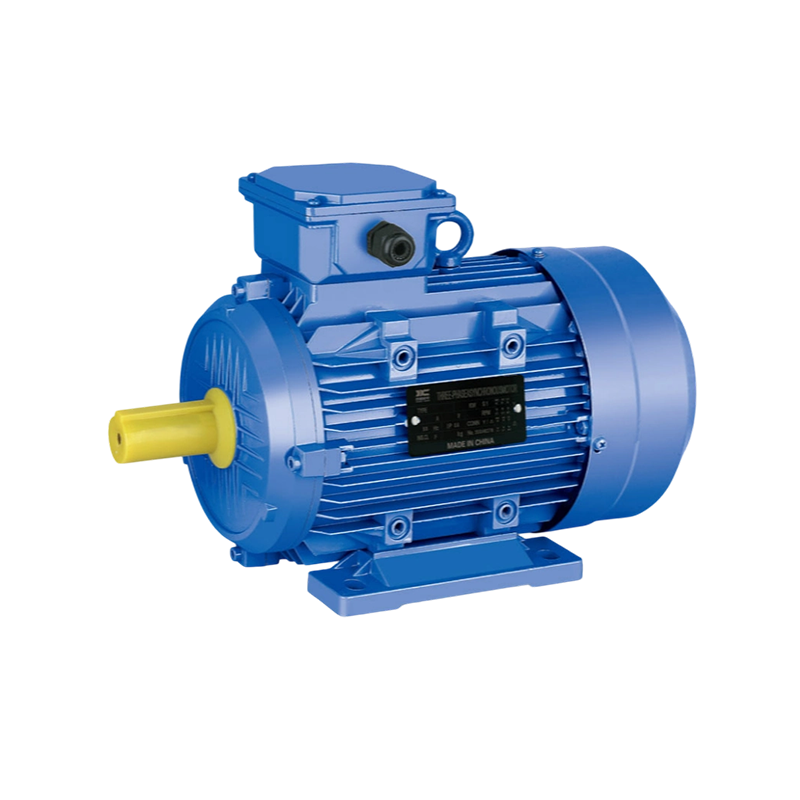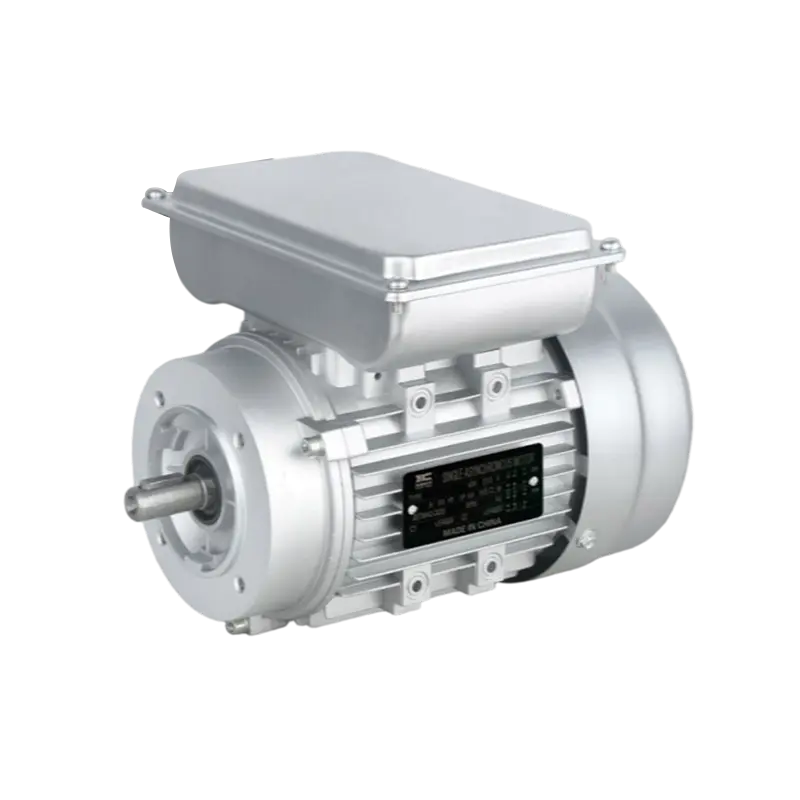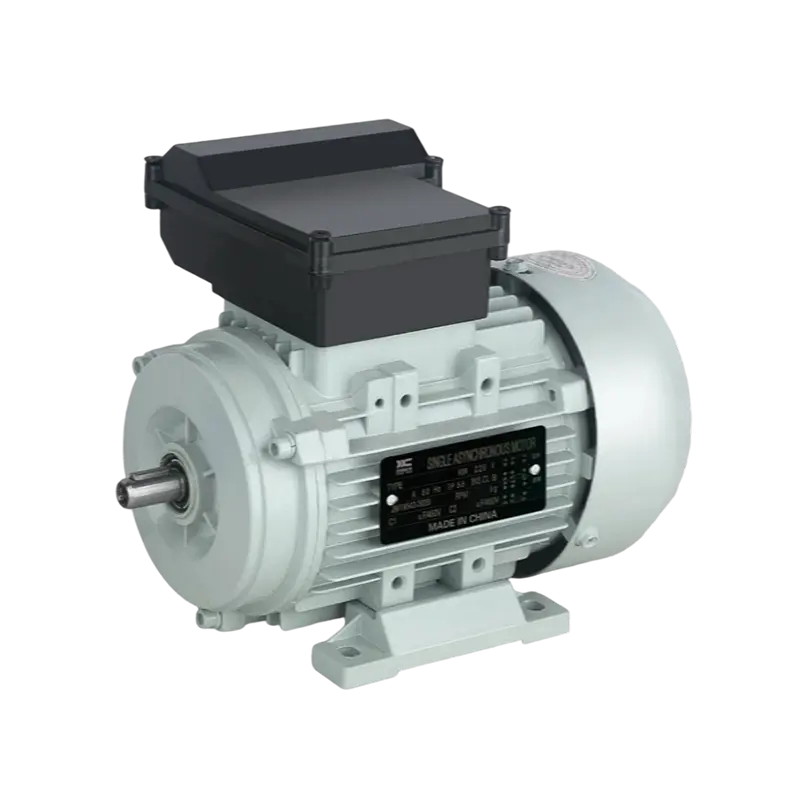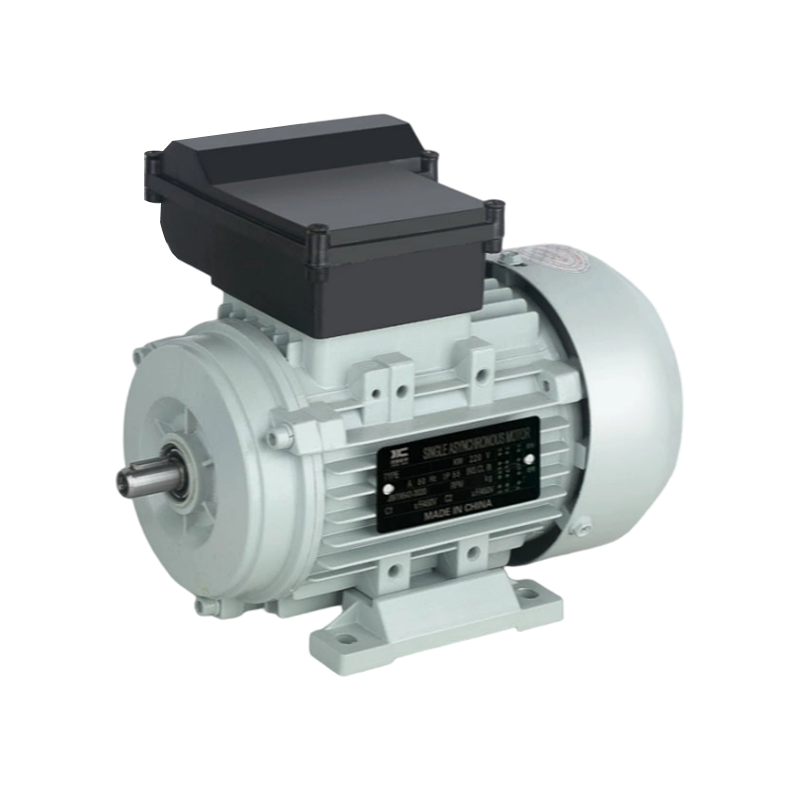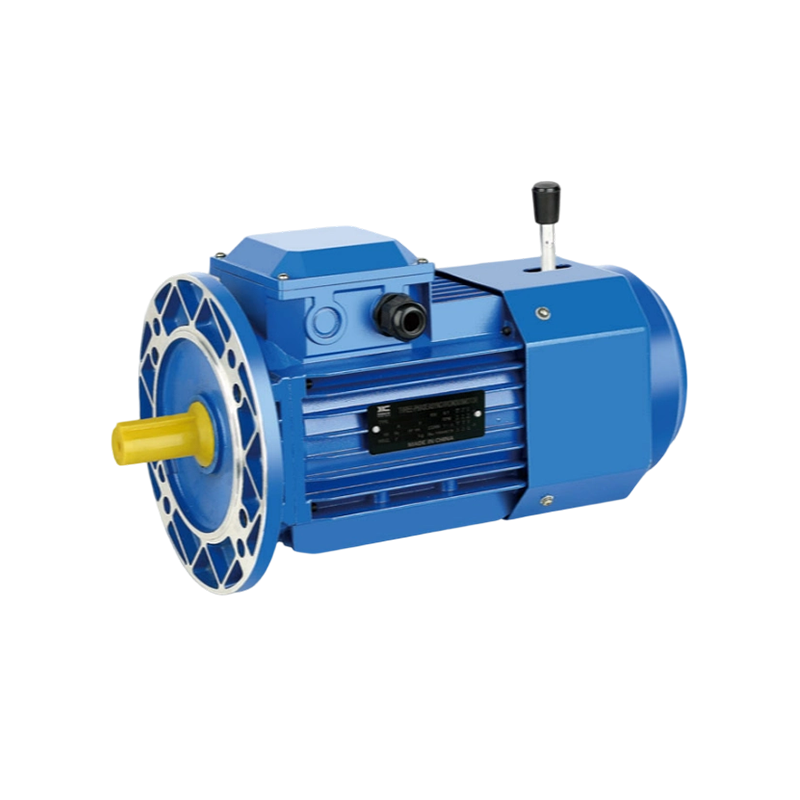

Machine designers often encounter a mix of limited installation space and high torque demand. Traditional motors can give mechanical output but their larger housings can take up valuable room inside compact equipment. Because of this interest in electric motors has grown. Compact electric motors aim for torque density, smaller sizes and performance that fits specific applications.
The real question is not whether a motor can be made smaller. Torque, speed, thermal capacity, shaft loading and duty cycle all must stay within limits.
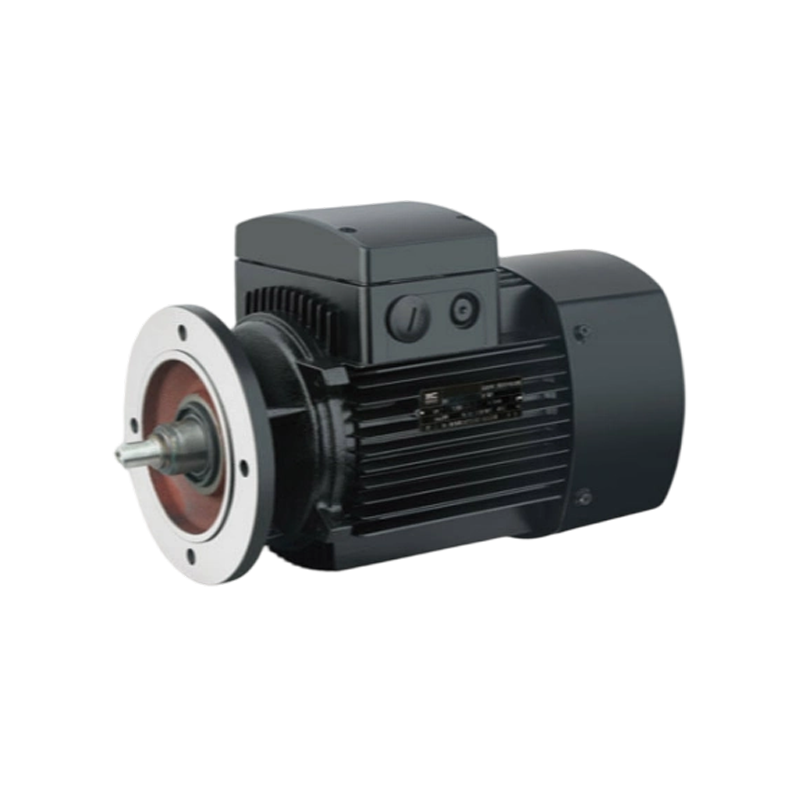
Torque density tells how torque a motor can make compared to its size or mass. Higher torque density lets engineers get mechanical output from a smaller motor package. Research into motor structures shows that shrinking motor volume while keeping torque needs careful electromagnetic and thermal design.
Compact electric motors still need electromagnetic material to make the required output. Shrinking dimensions much can limit continuous torque, heat dissipation or mechanical strength.
Suppose a machine needs 2 N·m of continuous torque and occasional peaks near 4 N·m. A motor rated about 1.5 N·m is not a suitable compact solution just because its housing fits the space. Rated torque and peak torque must match the load profile.
Motor size cannot be judged by torque alone. Speed changes the power need while mechanical power connects torque and rotational speed. A compact electric motor running at 3,000 rpm may suit a high‑speed spindle while another application may need torque at 500 rpm.
Some compact electric motors show this range clearly. Published motor specifications can go from hundred rpm to thousands of rpm with continuous torque values ranging from fractions of a newton‑meter to several newton‑meters depending on frame dimensions and winding configuration.
Heat becomes more important as power density rises. Compact electric motors have external surface area for heat transfer so winding temperature, housing construction, ventilation and operating duty need close attention.
Space‑sensitive machinery can benefit from a motor package without needing a full mechanical redesign. Typical applications include joints, automated positioning systems, compact pumps, material‑handling equipment, medical devices and embedded drive assemblies. Frameless and small‑frame motor designs are also used when the motor must integrate directly into the surrounding mechanism.
Such applications usually demand things from the motor at once: limited mounting space, defined shaft dimensions, controlled speed, repeatable torque and predictable thermal behavior.
Compact electric motors can support machinery if the design target is based on torque density instead of just physical size. A smaller frame becomes useful after torque, speed, temperature, mechanical loading and operating duty are considered together. This approach lets compact electric motors support space‑constrained machines without treating reduced dimensions as the performance target.
Your email address will not be published. Required fields are marked*
We aim to provide the market and the customers with
high-quality products and customized solutions.
 Zhaoyang Industrial Zone, Daxi Town, Wenling City, Taizhou City, Zhejiang Province, China
 +86-13615760288
  +86-576-86398088


 English
 中文简体
中文简体 русский
 Español