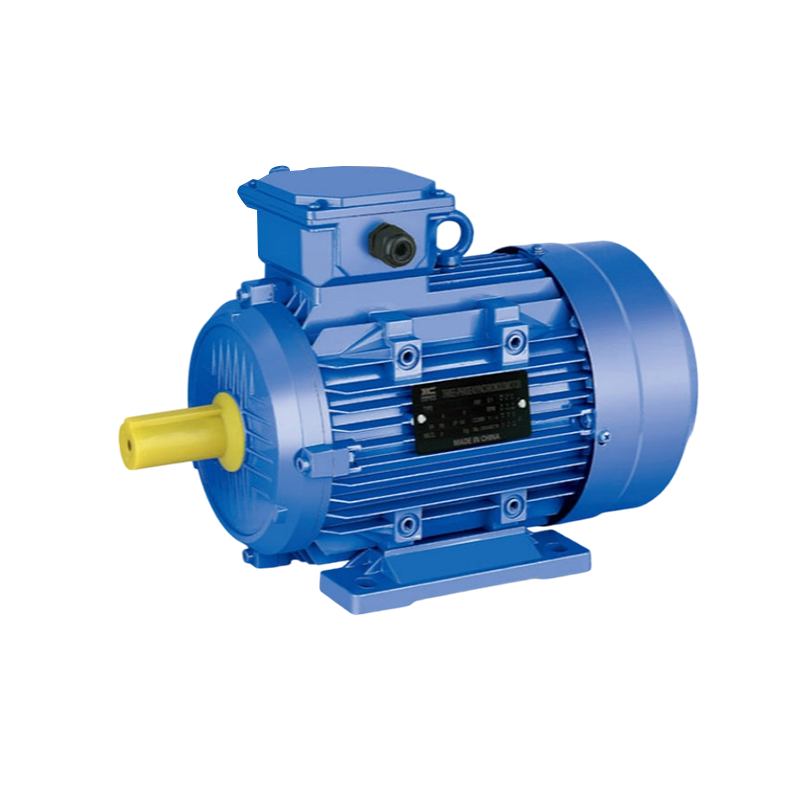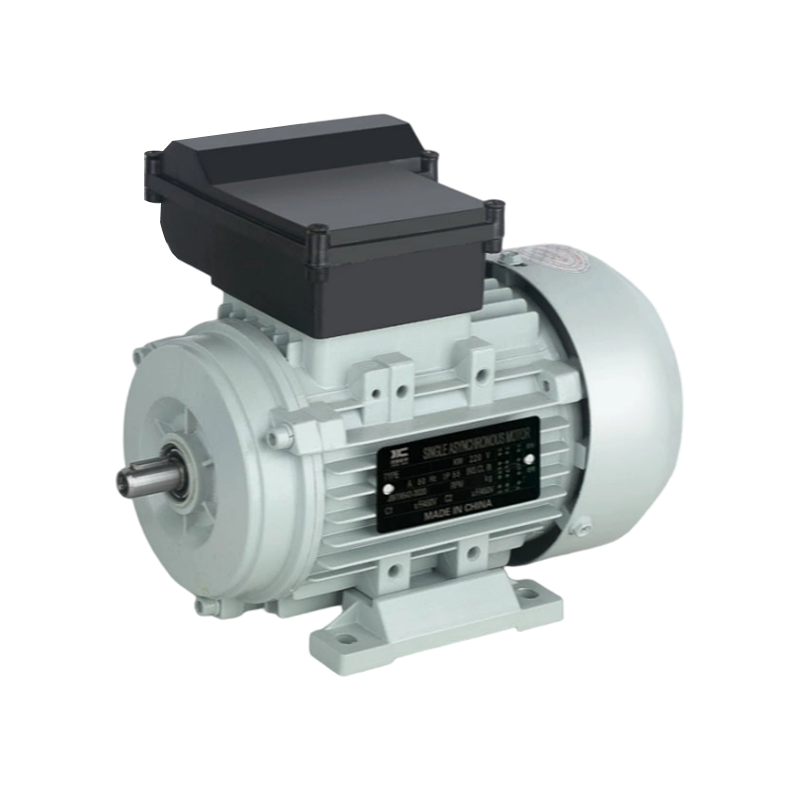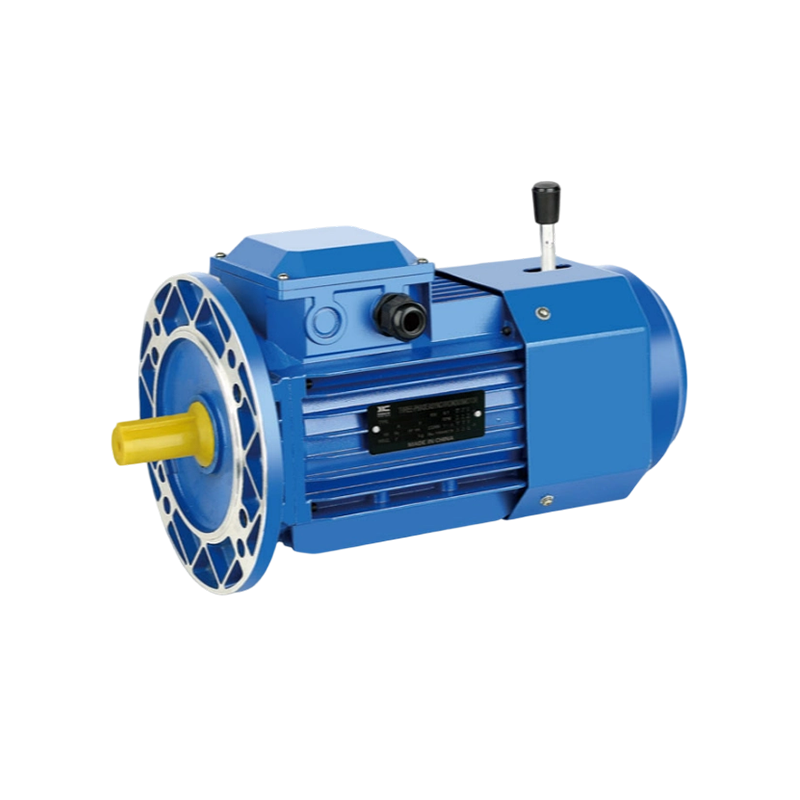

A motor nameplate may show a familiar number such as 2.2 kW, 5.5 kW, or 11 kW, but that figure tells only part of the story. Industrial equipment rarely operates under a simple, constant load. Pumps respond to fluid resistance, conveyors deal with changing material loads, compressors experience pressure changes, and machine tools can require different torque levels during different stages of operation.
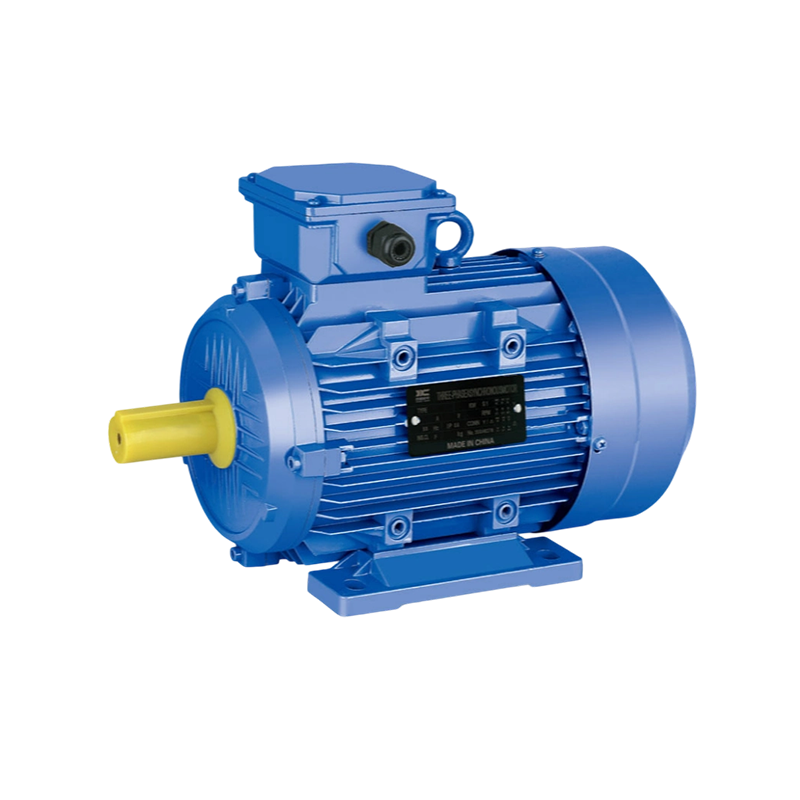
These conditions have increased interest in more precise motor-to-application matching. Three-Phase AC Electric Motors are widely used in industrial equipment because their three-phase power system supports a rotating magnetic field and provides a practical foundation for continuous mechanical operation. Their actual suitability, however, depends on several characteristics beyond rated output.
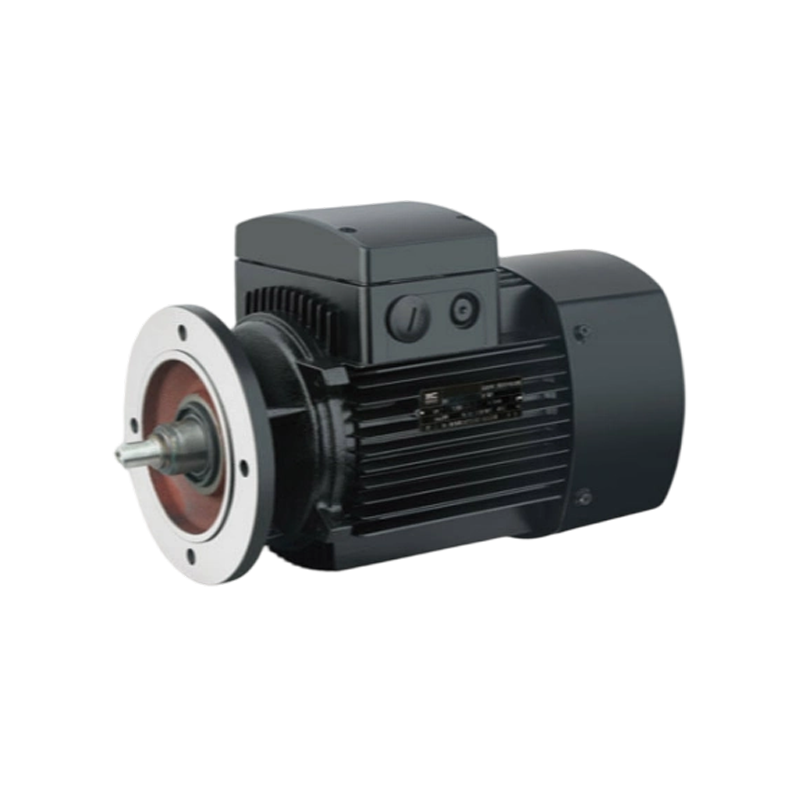
A motor with sufficient rated power may still be poorly matched to a machine. The load may demand high starting torque, low-speed operation, frequent acceleration, or stable performance across a changing operating range.
A better evaluation begins by looking at the mechanical requirements of the driven equipment.
IEC guidance for electric motor application also identifies rated output, rated torque, voltage, frequency, and rated speed as important technical parameters.
Motor speed is closely related to supply frequency and the number of poles. A three-phase induction motor does not normally run exactly at synchronous speed because a small difference, known as slip, is necessary for torque production.
At 60 Hz, a two-pole motor has a synchronous speed of 3600 rpm, while a four-pole motor has a synchronous speed of 1800 rpm. Actual operating speed will be somewhat lower because of slip. At 50 Hz, corresponding synchronous speeds are approximately 3000 rpm and 1500 rpm.
This relationship becomes useful during equipment planning. A high-speed motor may suit a fan or certain machine tools, while a lower-speed design may be more suitable for applications that require higher torque at the shaft or reduced transmission speed.
Different machines place very different demands on their motors. Treating every application as a simple constant-load system can result in an unsuitable configuration.
Fans and centrifugal pumps generally have load characteristics that vary with speed. Variable-speed operation can therefore be useful, particularly where the equipment does not need to run at full speed throughout its operating cycle.
Three-phase induction motors paired with variable frequency drives are widely used for pumps, fans, and compressors because the drive can adjust motor speed by changing the supply frequency.
Conveyor systems can present a different challenge. Starting a loaded conveyor may require substantially more torque than running an empty belt. Motor selection should therefore consider the starting condition, belt tension, acceleration requirements, and gearbox arrangement rather than relying on rated kW alone.
Compressors may require considerable starting torque and can experience changing mechanical loads during operation. A suitable motor should be evaluated together with the compressor's pressure conditions, starting method, duty cycle, and control strategy.
Starting is one of the moments when motor and machine characteristics interact most strongly. An unloaded motor may start easily, while the same motor connected to a heavily loaded machine may experience a very different starting condition.
IEC 60034-1 specifies that an AC motor must have adequate starting torque relative to the counter-torque and load inertia. This makes starting torque and load inertia relevant considerations during application matching.
A motor that operates normally after reaching rated speed may still be unsuitable for an application that requires repeated high-load starts.
Variable frequency drives have changed the role of three-phase induction motors in many machines. Instead of operating at a fixed frequency and approximately fixed speed, a motor can work across a controlled speed range through a suitable drive system.
The operating frequency determines the speed of the rotating magnetic field, while voltage control helps maintain the required magnetic flux. Modern induction motor drives can therefore regulate speed and torque for equipment such as pumps, fans, compressors, and conveyors.
A motor intended for VFD operation should not be judged solely by whether its rated voltage matches the drive output. Insulation capability, cooling behavior at reduced speed, bearing considerations, control method, and allowable operating range may also matter.
Electrical compatibility remains a basic requirement even with a sophisticated application strategy. A three-phase motor may be designed around different supply systems, such as 230 V, 400 V, 415 V, or 460 V, depending on the market and motor configuration.
Frequency also affects synchronous speed. A motor designed around a 50 Hz supply will have different speed characteristics from an equivalent motor operating at 60 Hz. Nameplate voltage, frequency, current, connection arrangement, and rated speed should therefore be checked together.
Voltage and frequency variations are also addressed within IEC 60034-1, which establishes operating conditions and performance requirements for AC machines.
Electrical specifications are not the only physical considerations. A motor must fit the mechanical and environmental conditions surrounding it.
Protection rating and mounting configuration are recognized as key criteria in contemporary three-phase motor selection guidance.
A useful application review can be organized around several questions rather than a single power figure.
Three-phase motor technology offers considerable flexibility, but that flexibility works best when the motor's characteristics are aligned with the machine's actual operating requirements. Rated power remains an important reference, yet torque, speed, starting conditions, voltage, frequency, mounting, environmental protection, and control method can have an equally significant influence on the final configuration.
The growing use of VFDs and electronically controlled equipment is also making application-specific motor matching more relevant. Rather than treating an electric motor as a standalone power source, equipment designers can evaluate it as part of a complete mechanical and electrical system.
That approach gives Three-Phase AC Electric Motors a broader role across pumps, fans, compressors, conveyors, processing equipment, and other industrial machinery. The right combination of motor characteristics and application requirements can provide predictable starting behavior, suitable operating speed, and dependable integration throughout the machine's working cycle.
Your email address will not be published. Required fields are marked*
We aim to provide the market and the customers with
high-quality products and customized solutions.
 Zhaoyang Industrial Zone, Daxi Town, Wenling City, Taizhou City, Zhejiang Province, China
 +86-13615760288
  +86-576-86398088


 English
 中文简体
中文简体 русский
 Español