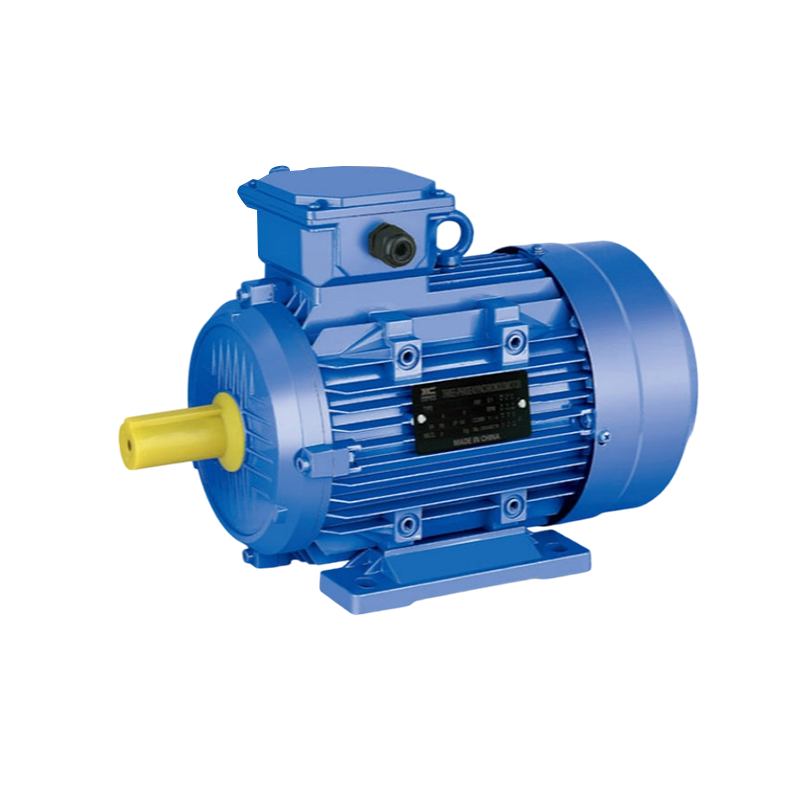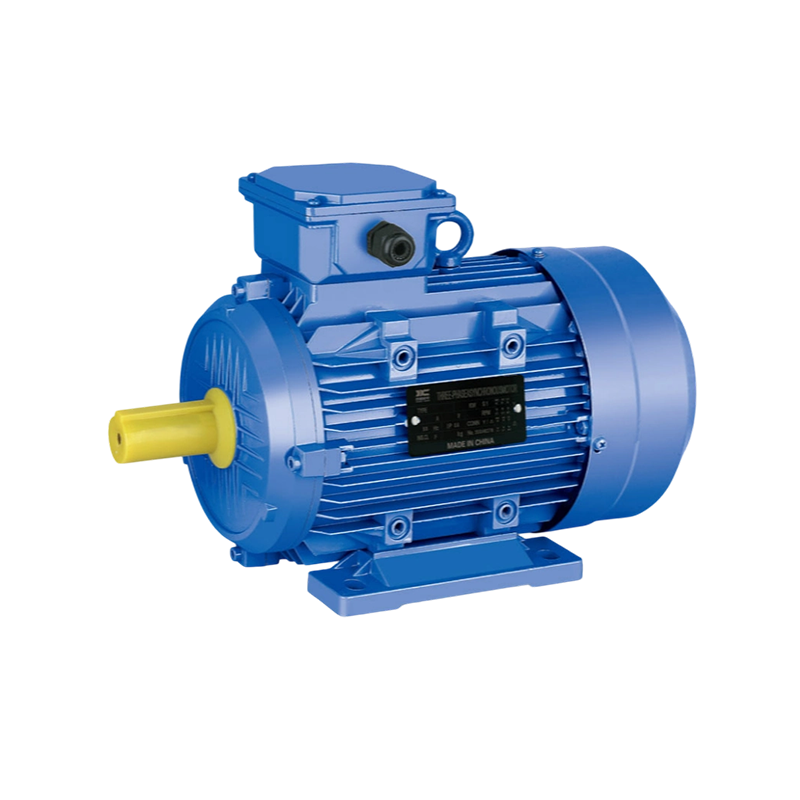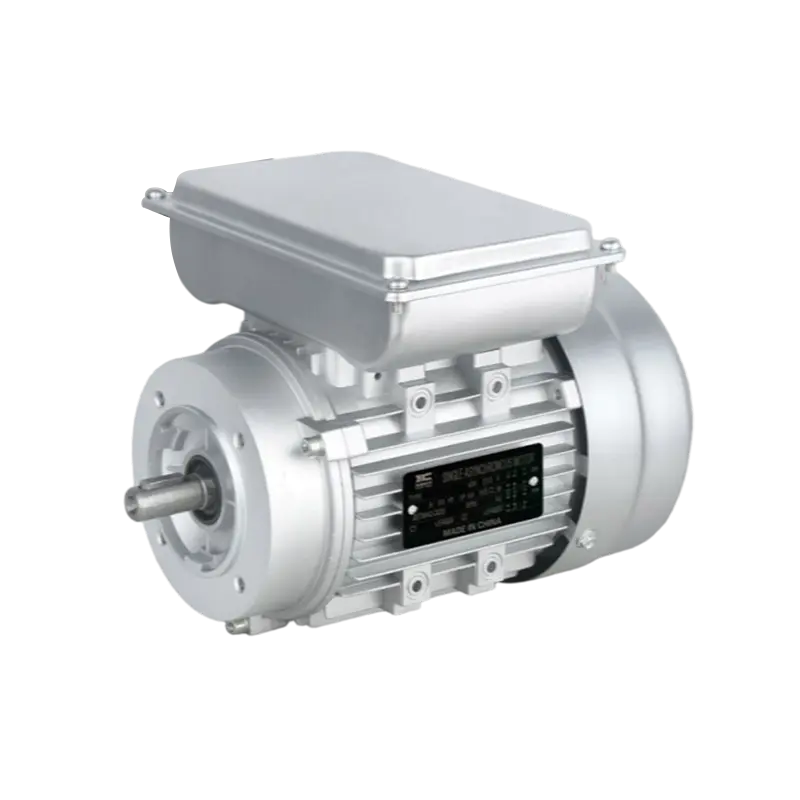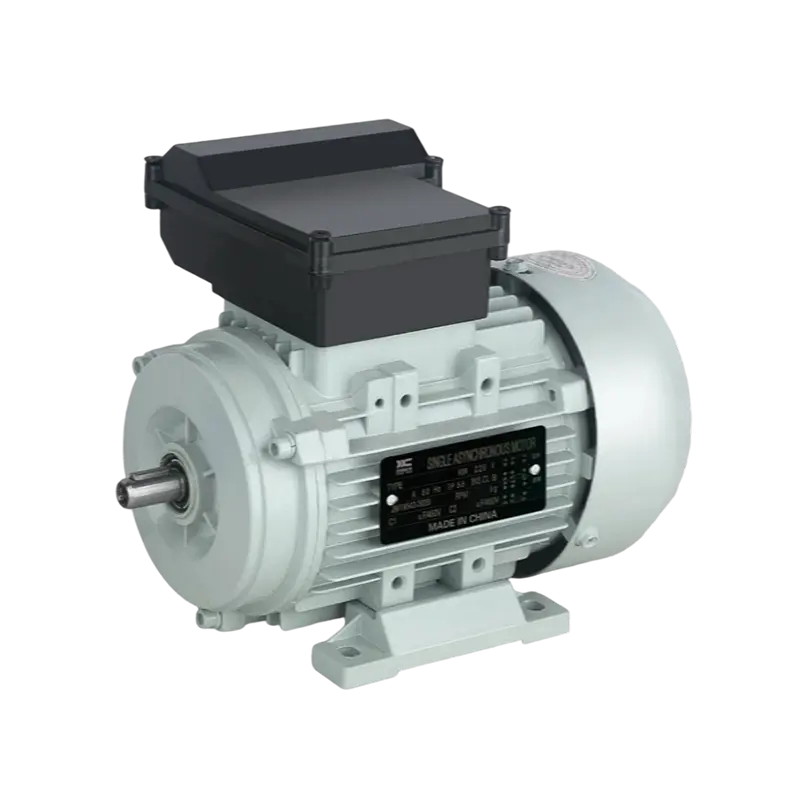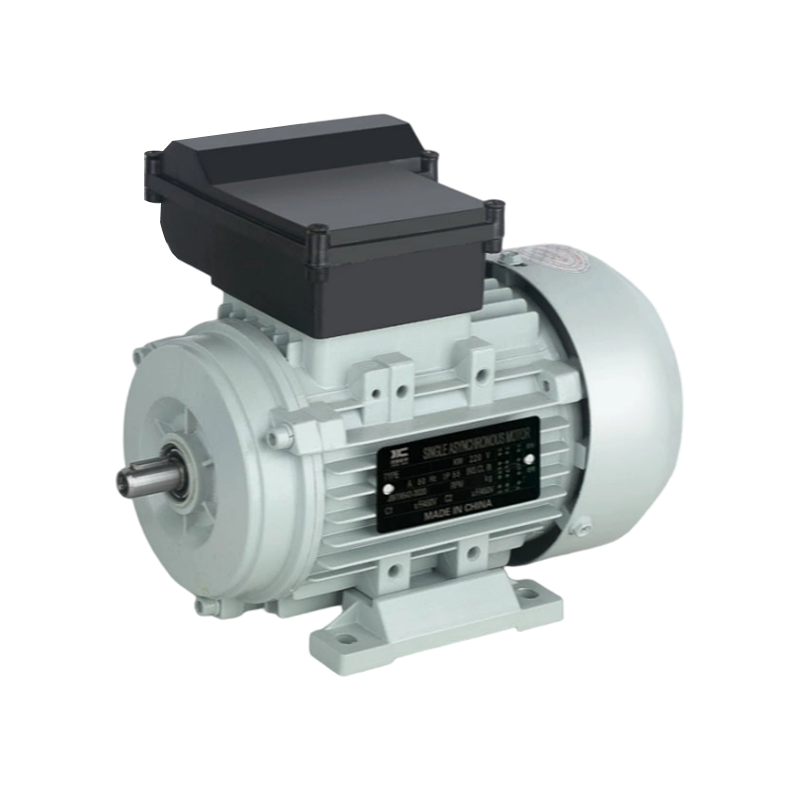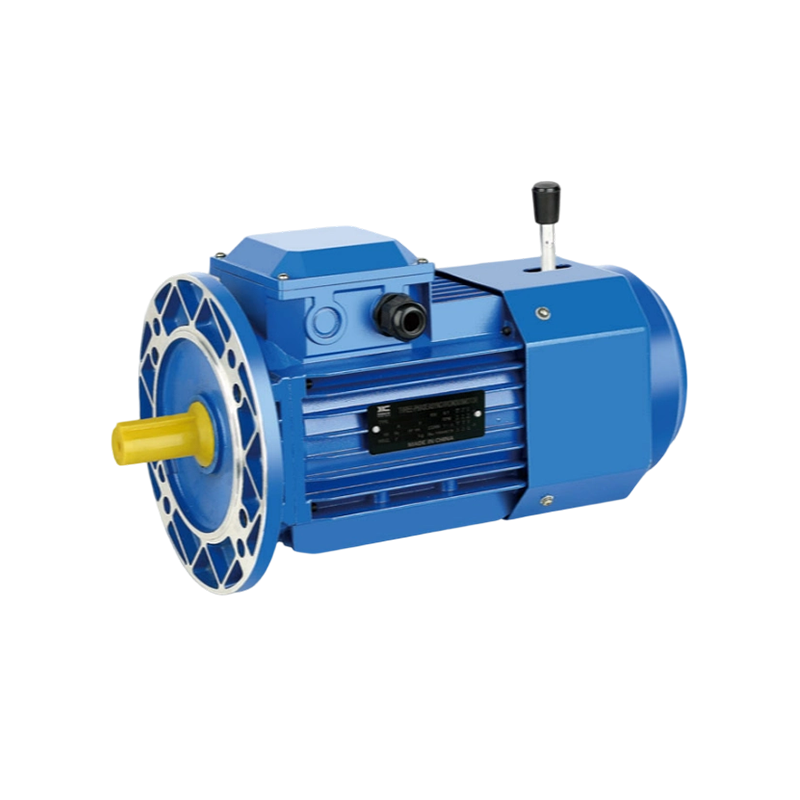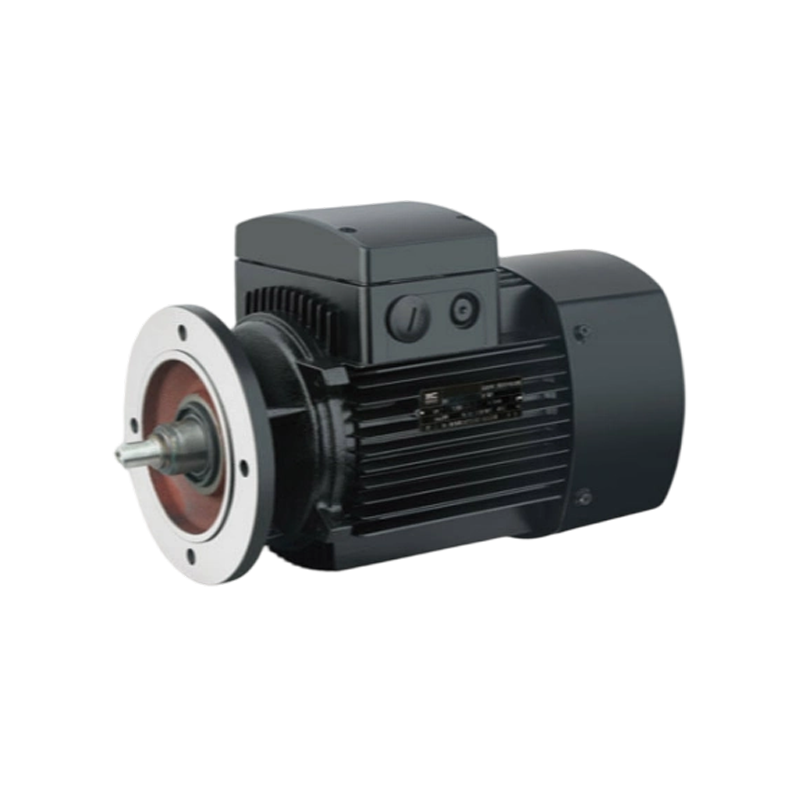

Modern equipment design is moving toward smaller structures, flexible installation, and improved component integration. As machines become more compact, motor selection is no longer only related to power output. Engineers are paying more attention to motor size, housing materials, thermal performance, and compatibility with limited installation spaces. Aluminum housing designs have gained attention because they provide a practical balance between weight control and mechanical protection.
The aluminum body single phase motor has become a common option for compact machinery that requires reliable AC power without complex electrical systems. Its lightweight structure, efficient heat transfer capability, and convenient installation characteristics make it suitable for applications such as pumps, fans, ventilation equipment, household machines, and small industrial devices.
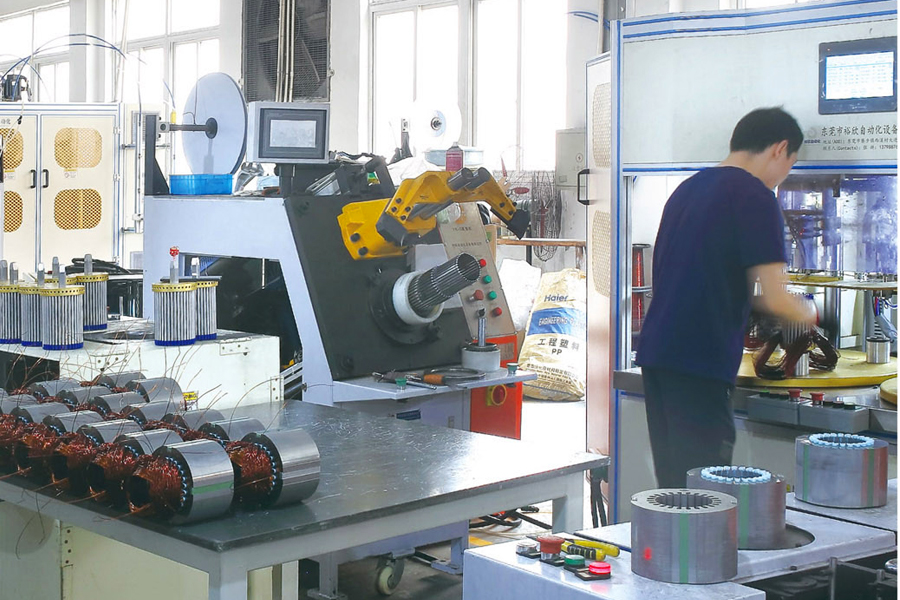
Traditional industrial equipment often provides enough space for large motor assemblies. However, modern machines are becoming smaller while performing more functions. Designers need to arrange motors, control systems, mechanical transmission parts, and protective components within limited areas.
A motor housing directly influences equipment layout. A heavy or oversized enclosure may require stronger mounting structures and additional space. Aluminum housing provides another approach by reducing unnecessary weight while maintaining the support needed for internal components.
This design trend is especially noticeable in compact automation equipment, small pumps, air movement systems, and light-duty processing machines where installation space is limited.
The popularity of aluminum motor bodies is not only related to lightweight construction. Material properties also influence operating performance. Aluminum has good thermal conductivity, allowing heat generated inside the motor to transfer through the housing more effectively. Proper heat management helps maintain stable operation during continuous working conditions.
Compared with traditional cast iron structures, aluminum housings provide easier handling and faster heat dissipation characteristics in many low and medium power applications. This makes them suitable for equipment where installation convenience and thermal control are important factors.
Equipment manufacturers often face challenges related to limited mounting areas. A motor needs to connect properly with shafts, brackets, control systems, and transmission parts without affecting the overall machine structure.
The smaller and lighter characteristics of aluminum body motors provide more flexibility during equipment planning. Designers can adjust the motor position more easily, especially in machines where several components must share the same working area.
Typical applications include:
Single-phase motors usually require additional starting assistance because they operate with a single AC power source. Capacitor induction designs help create the phase difference needed for starting torque and smoother operation.
An aluminum body single phase motor with capacitor induction technology can provide stable power output for many compact machines. The capacitor rating, winding design, and motor load condition all influence starting performance and running stability.
As machinery continues to become smaller and more integrated, component materials will play a larger role in product design. Motor housings are no longer viewed as simple protective covers. They influence cooling performance, installation flexibility, and overall equipment structure.
Aluminum motor bodies are expected to remain valuable in applications where weight control and space efficiency are important. Their combination of mechanical support, thermal characteristics, and manufacturing flexibility gives designers more possibilities for developing compact machines.
The growth of automation equipment, small-scale production systems, and intelligent devices is creating new requirements for electric motors. A motor that fits easily into modern machine layouts can help equipment developers achieve better integration without increasing structural complexity.
Compact equipment development is changing the way engineers evaluate electric motors. Beyond basic power specifications, factors such as housing material, installation space, thermal management, and application compatibility are becoming important considerations.
With lightweight construction and practical performance characteristics, aluminum body motors provide a suitable solution for many small and medium equipment designs. From pumps and fans to automation systems and commercial machinery, these motors continue to support flexible equipment development with a balanced approach to size, structure, and operation.
Your email address will not be published. Required fields are marked*
We aim to provide the market and the customers with
high-quality products and customized solutions.
 Zhaoyang Industrial Zone, Daxi Town, Wenling City, Taizhou City, Zhejiang Province, China
 +86-13615760288
  +86-576-86398088


 English
 中文简体
中文简体 русский
 Español