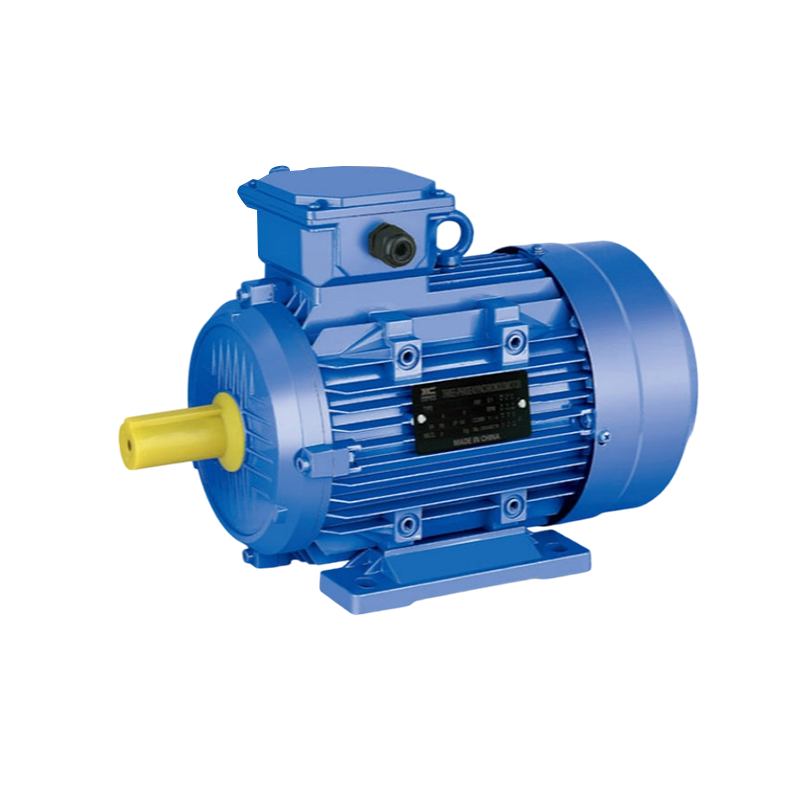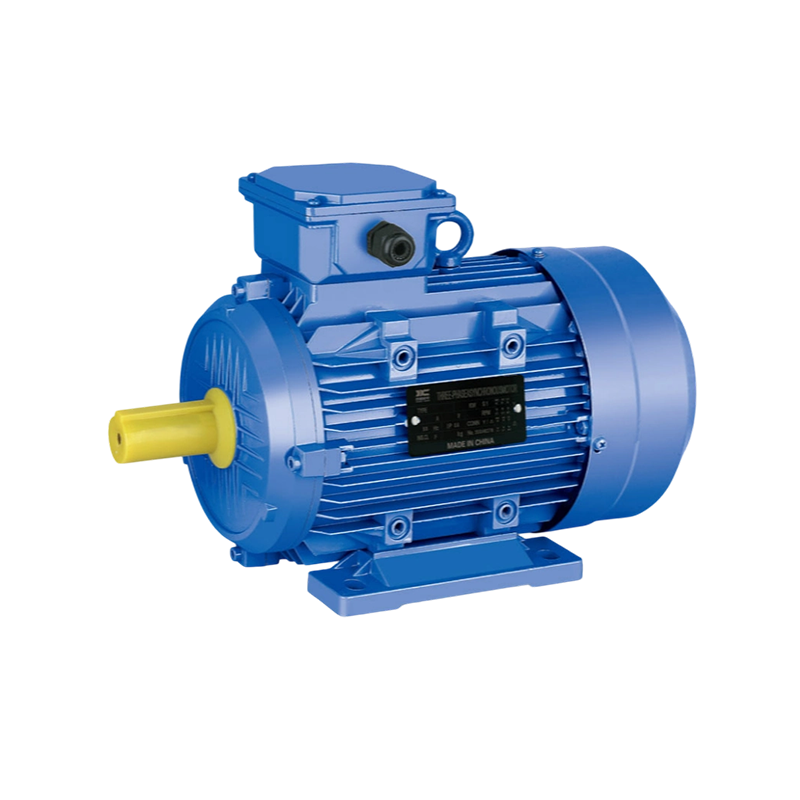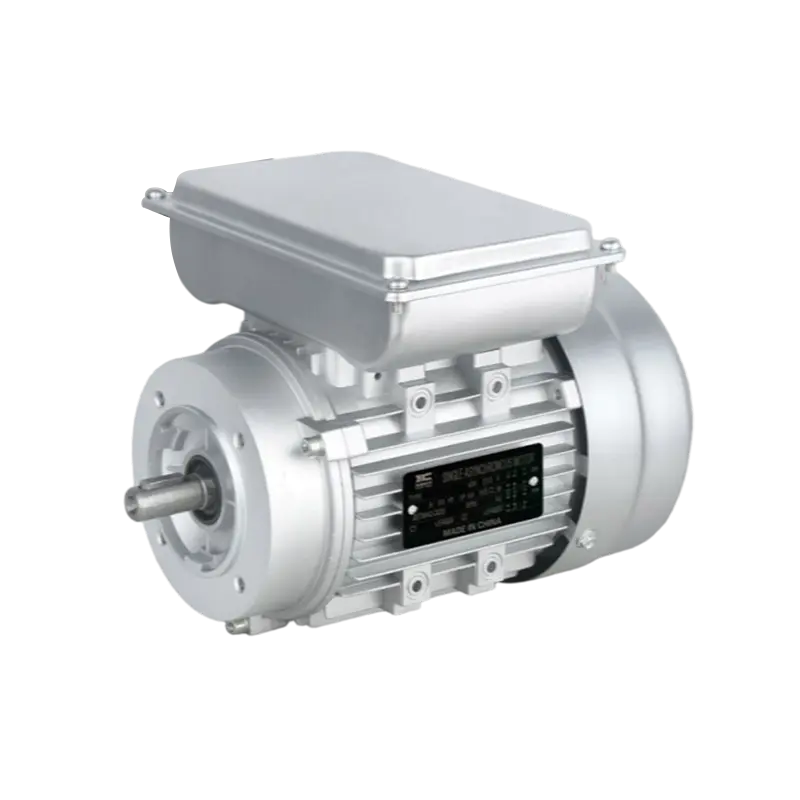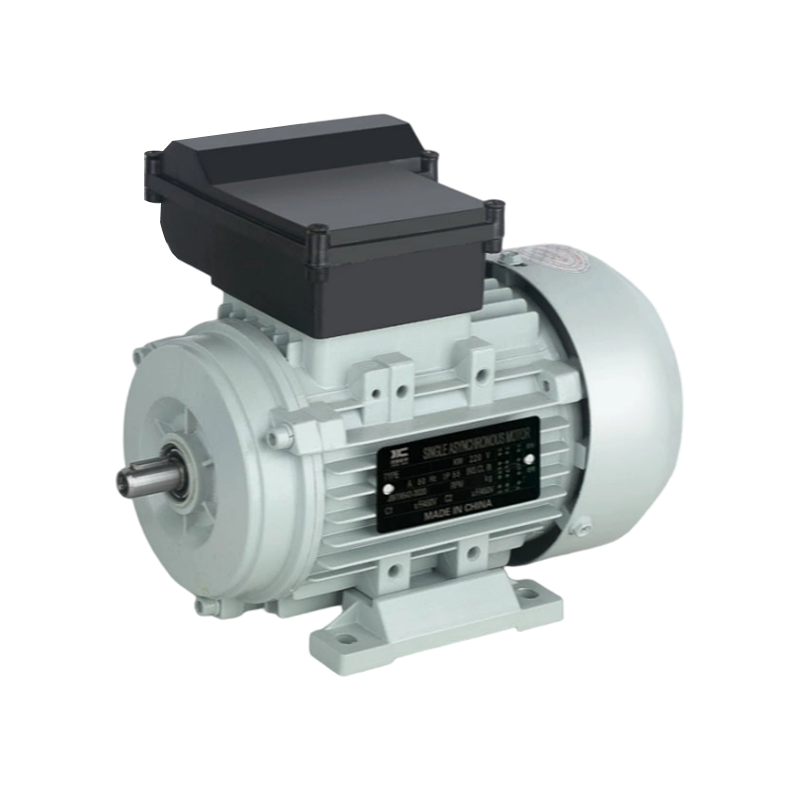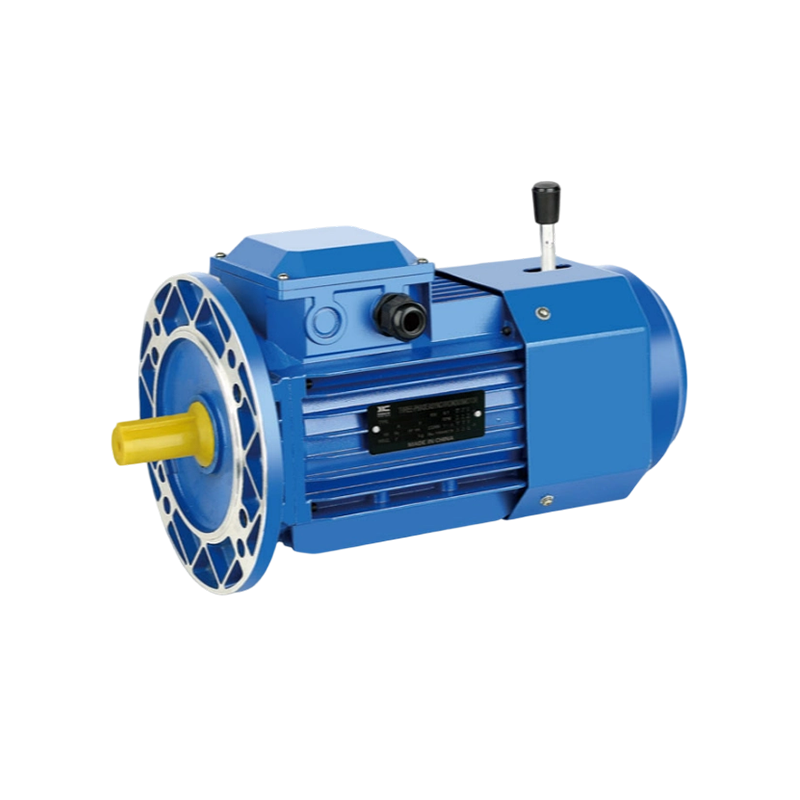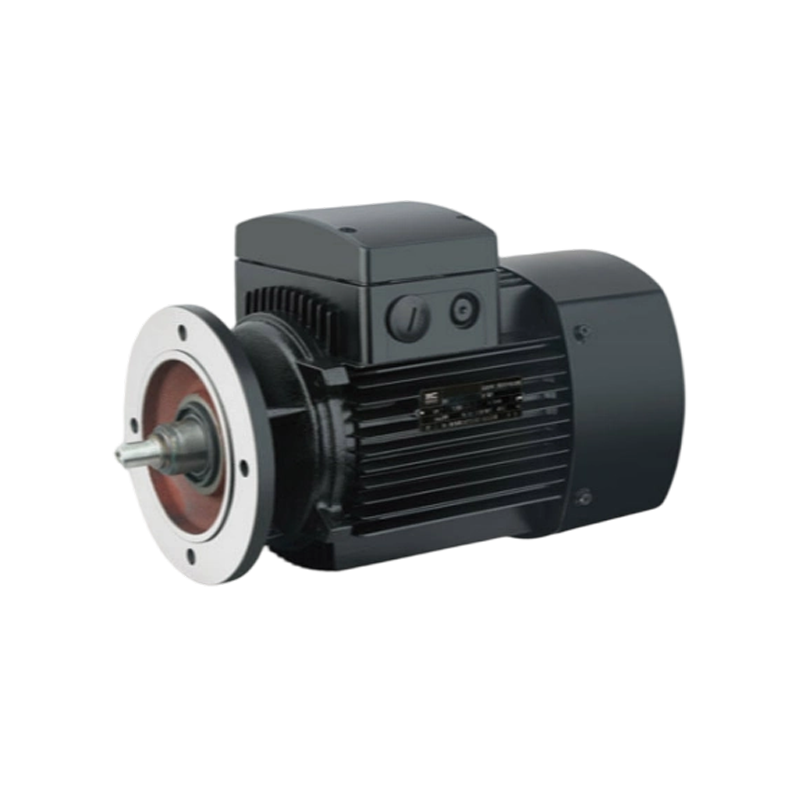

The demand for smaller and more powerful machines continues to grow across robotics, medical equipment, automation devices, portable tools, and electric mobility systems. Engineers are constantly trying to reduce motor dimensions while maintaining strong output performance. This creates a key design question: do compact electric motors inevitably lose torque density as their size decreases?
Miniaturization brings clear advantages, including reduced weight, easier installation, and greater flexibility for integrated systems. However, reducing physical volume creates several engineering limitations related to magnetic flux, heat removal, winding space, and mechanical strength. High torque density requires careful balance between electromagnetic design and thermal management rather than simply reducing motor size. Research into high-torque electric machines shows that increasing torque output within limited space remains one of the primary challenges in modern motor development.
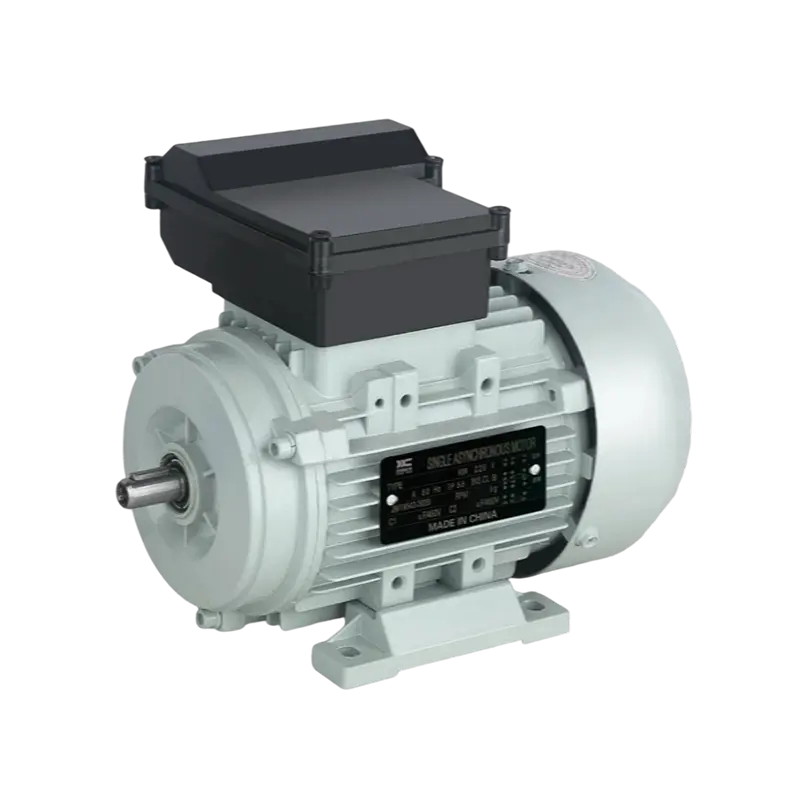
Motor torque is closely connected with active volume, magnetic field strength, current density, and rotor-stator interaction. A smaller motor naturally has less space for these critical components.
This does not mean compact designs always deliver weaker performance. Advanced motor structures, improved magnetic materials, and optimized winding arrangements can significantly increase torque per unit volume. High torque density has become a major target in applications such as electric vehicles and robotic systems, where installation space is limited.
Heat is one of the biggest obstacles during the development of small high-performance motors. Electrical losses from copper resistance and magnetic losses from the core are converted into heat. A larger motor can usually release heat through a bigger housing surface, while a compact design has fewer cooling paths.
Miniature motor designs often require additional cooling strategies, optimized materials, or special winding technologies to maintain performance. Some compact brushless motor designs improve torque density through enhanced magnetic flux distribution and better thermal paths.
Modern motor development is not limited to traditional cylindrical structures. Engineers are exploring different configurations to increase torque generation within smaller packages.
Some automotive motor studies have demonstrated that alternative structures can achieve significant size reduction while maintaining high torque output. For example, axial-gap motor concepts have been investigated for improving torque density in compact vehicle applications.
Material technology directly influences how much performance can be extracted from a smaller motor. Traditional materials may reach physical limits, while newer solutions help improve efficiency and power concentration.
The combination of improved materials and optimized design allows manufacturers to create smaller motors without a direct proportional reduction in torque capability.
Not every application can benefit equally from extreme miniaturization. High-performance systems often require a careful compromise between size, torque, speed, and durability.
These applications push motor designers to improve torque density while controlling temperature rise. A smaller motor with insufficient thermal capability may achieve impressive short-term output but struggle during continuous operation.
Miniaturization does not automatically reduce efficiency. The result depends on the relationship between motor design and operating conditions.
A compact motor designed for a specific application may outperform a larger general-purpose motor because its electromagnetic structure is optimized for the intended duty cycle.
The development trend of compact electric motors is moving toward higher integration, smarter control, and improved thermal solutions. Instead of simply making motors smaller, engineers are focusing on increasing useful output from every cubic centimeter of motor volume.
Future designs may combine advanced cooling methods, new magnetic structures, and digital control technologies to overcome traditional size limitations. High torque density will remain a central goal in industries where space, weight, and performance are equally important.
Compact motors do face physical challenges during miniaturization, but size reduction does not necessarily mean sacrificing torque density. Through improved electromagnetic design, better materials, and efficient thermal management, small motors can continue delivering strong performance in demanding applications.
Your email address will not be published. Required fields are marked*
We aim to provide the market and the customers with
high-quality products and customized solutions.
 Zhaoyang Industrial Zone, Daxi Town, Wenling City, Taizhou City, Zhejiang Province, China
 +86-13615760288
  +86-576-86398088


 English
 中文简体
中文简体 русский
 Español