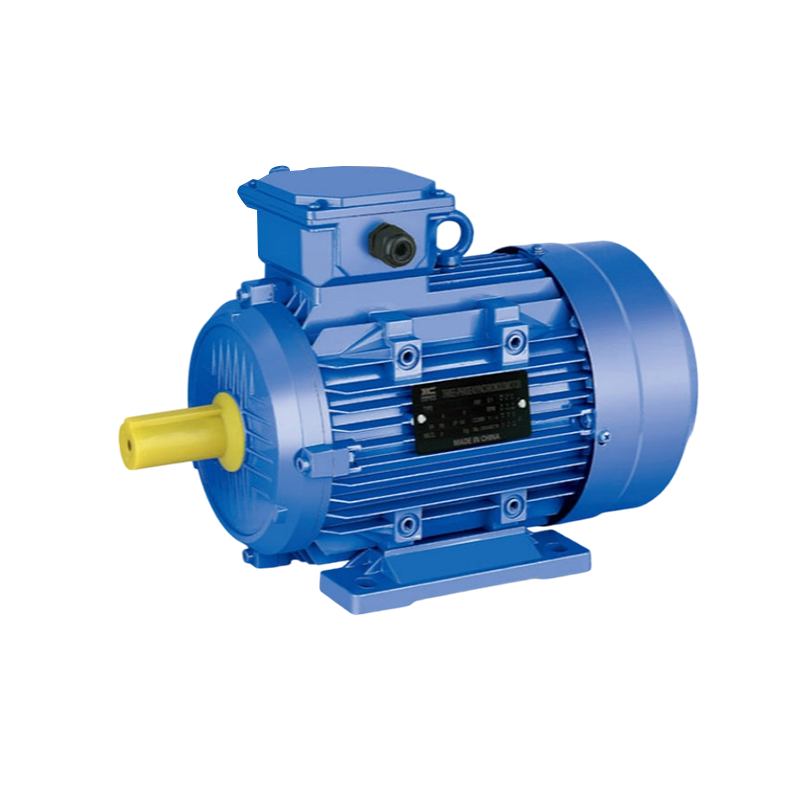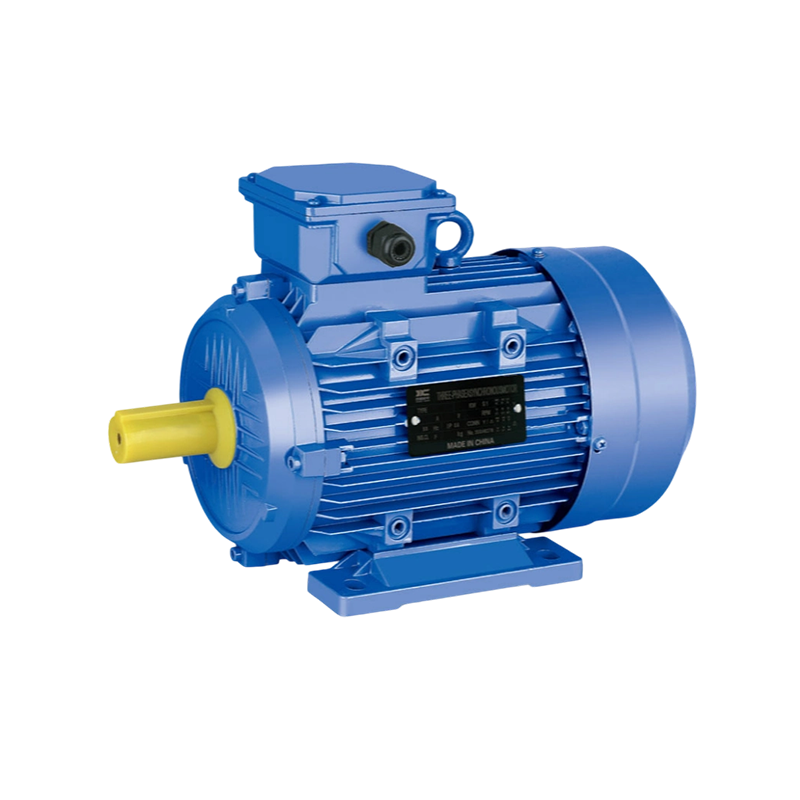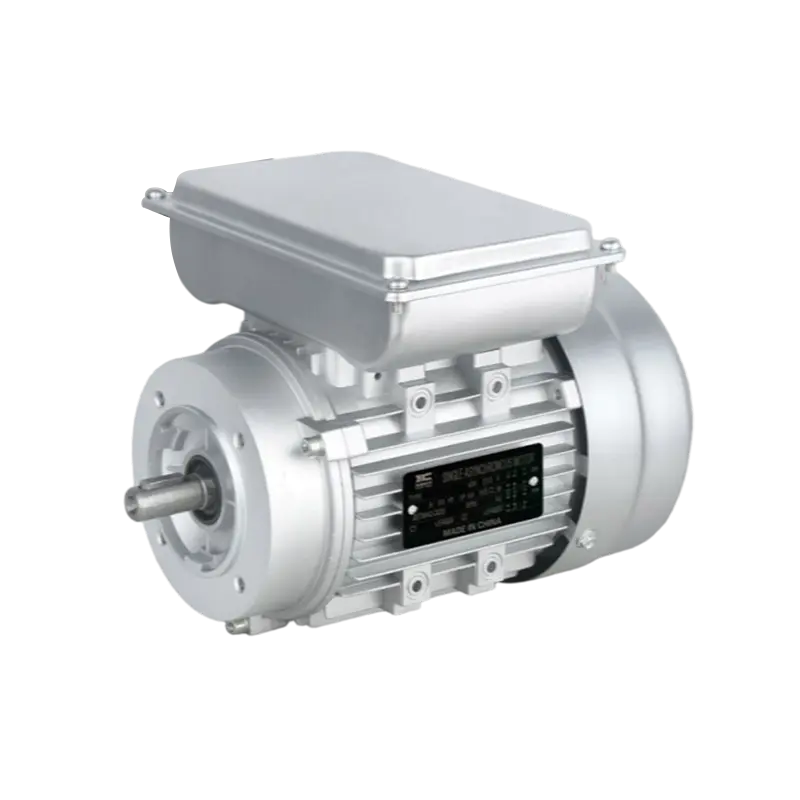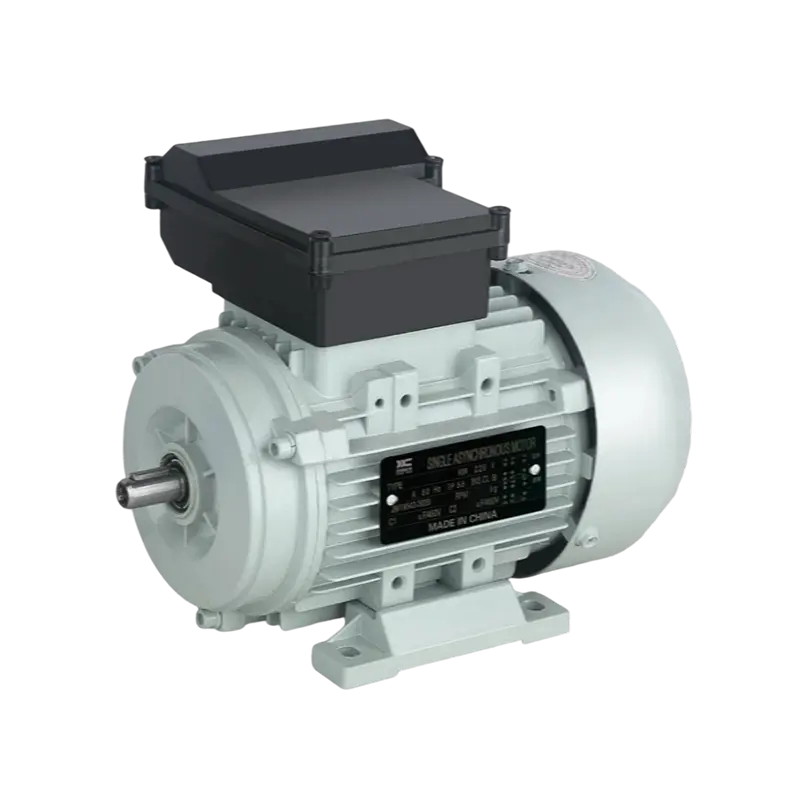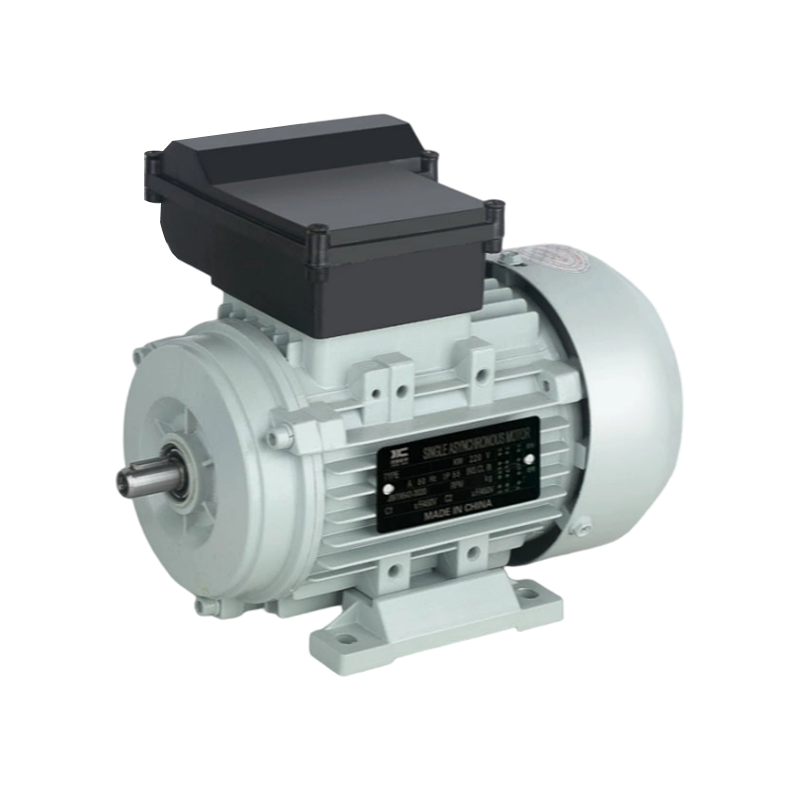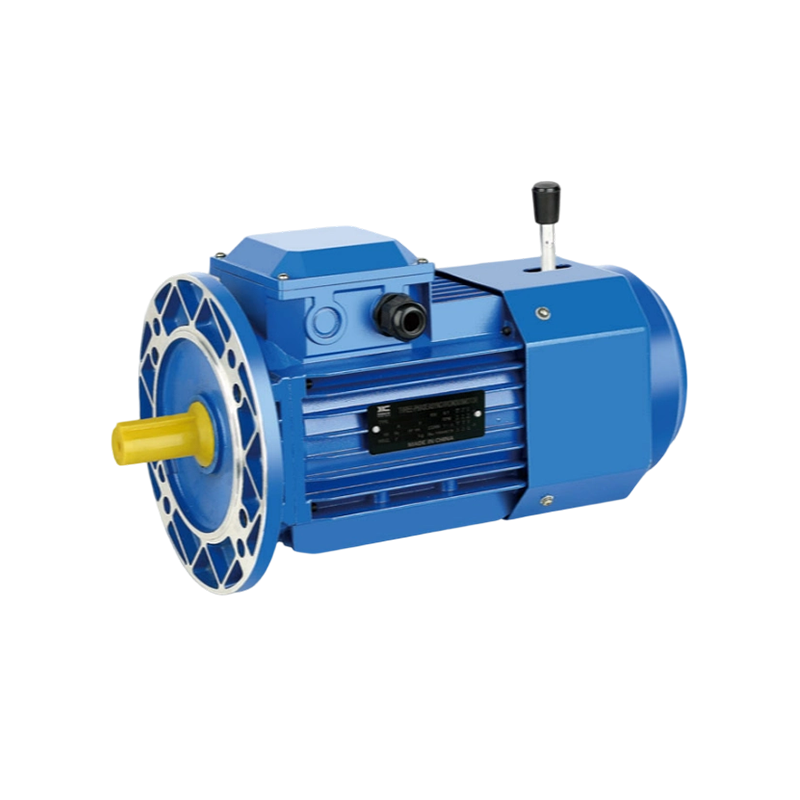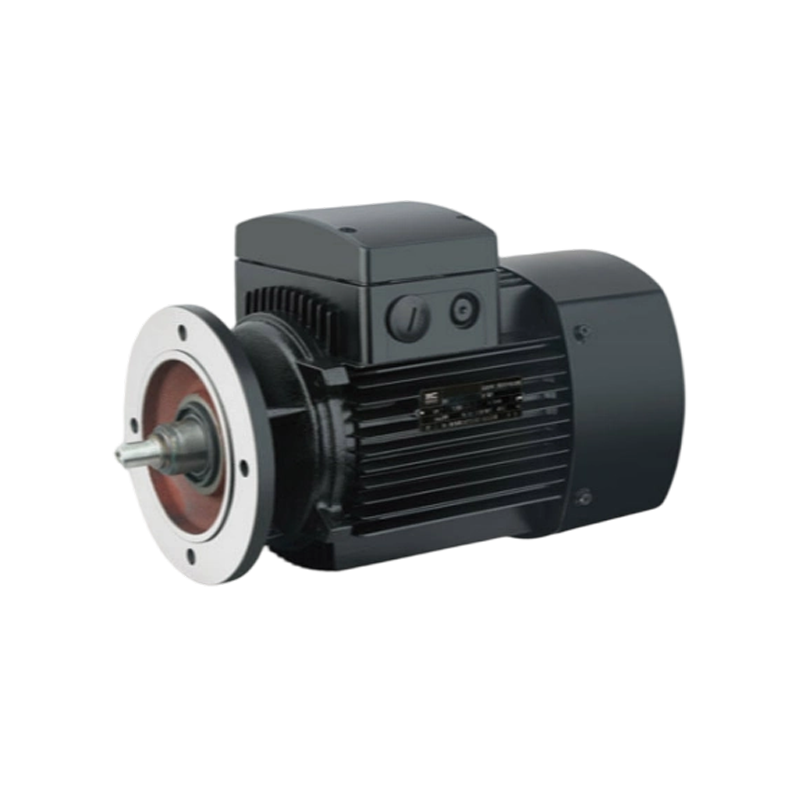

The development of electric vehicles has changed expectations for automotive power systems. Modern drivetrains must handle frequent acceleration, regenerative braking, stop-and-go traffic, highway cruising, and unpredictable urban conditions within a single driving cycle. This raises a practical question: can asynchronous electric motors for cars continue to meet the demands of next-generation vehicles under mixed load environments?
Asynchronous motors, also known as induction motors, have a long history in industrial applications and have also appeared in electric vehicle platforms. Their design eliminates permanent magnets by using electromagnetic induction between the stator and rotor. This structure provides advantages such as durability, high-speed capability, and reduced dependence on rare-earth materials. However, variable urban driving introduces challenges related to efficiency, thermal control, and partial-load performance.
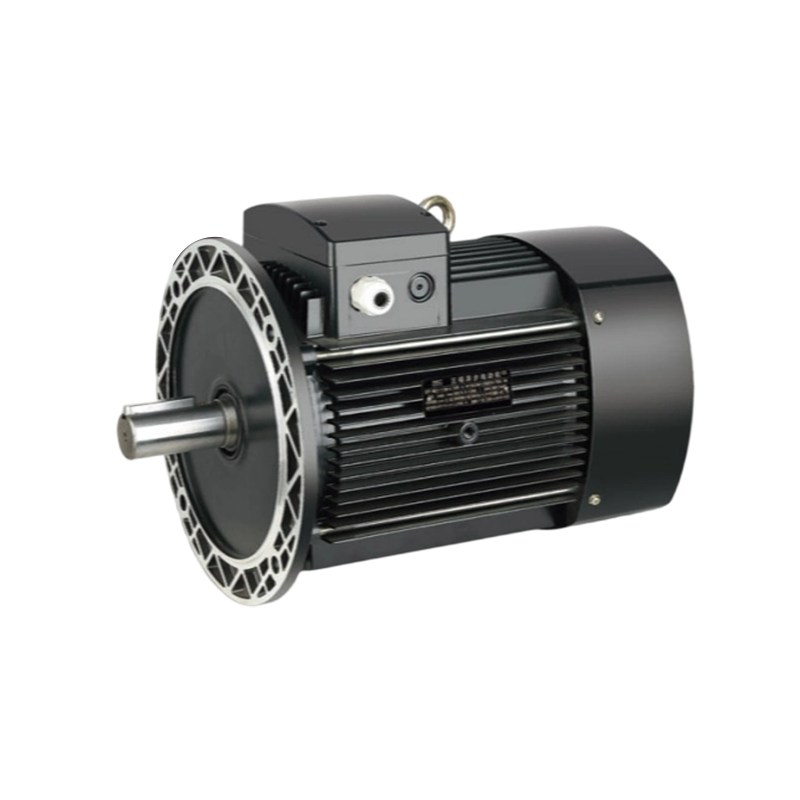
Unlike industrial machines that often operate at stable speeds, vehicle motors experience constant changes. City driving produces repeated transitions between acceleration, cruising, deceleration, and idle conditions.
A vehicle traveling through dense urban areas may spend significant time under partial load rather than operating near rated power. This operating pattern influences motor efficiency because induction systems generate rotor losses during electromagnetic excitation. Studies comparing induction motors and permanent magnet motors show that efficiency performance varies depending on driving cycle and operating point rather than only peak specifications.
The absence of permanent magnets is one of the important characteristics of asynchronous drive systems. Instead of relying on rare-earth materials, the rotor typically uses conductive aluminum or copper bars arranged in a squirrel-cage structure.
These characteristics are valuable in vehicles exposed to changing road conditions. Some electric vehicle platforms have used induction motors because they provide reliable performance at high speeds and can tolerate demanding operating environments.
Efficiency during mixed urban cycles is one of the biggest evaluation points. A vehicle motor rarely stays at a single operating condition, meaning the overall energy consumption depends on the entire efficiency map.
Compared with permanent magnet synchronous motors, asynchronous designs may experience additional electrical losses because the rotor field is created through induction. However, advanced control algorithms can improve energy management by adjusting magnetic flux according to driving requirements. Research on induction motor drives for EV applications has explored methods such as field-oriented control and efficiency optimization strategies to improve performance across changing conditions.
Vehicle applications place strict demands on temperature control. Rapid acceleration creates high current loads, while urban congestion reduces airflow around cooling components.
Modern automotive induction motors often combine liquid cooling systems, optimized electromagnetic designs, and advanced inverter control to handle higher power density requirements. Compared with earlier generations, current designs focus on reducing heat concentration while maintaining output capability.
The motor itself is only one part of an electric drivetrain. The inverter and control software strongly influence how an asynchronous motor responds to changing road conditions.
Advanced control methods allow induction motors to behave more dynamically than traditional fixed-speed systems. The combination of accurate sensors and digital controllers expands their suitability for automotive applications.
Future vehicle architectures may not depend on a single motor technology. Different driving conditions create different requirements, and manufacturers may combine multiple solutions according to vehicle targets.
The ability to operate without permanent magnets also gives asynchronous systems an advantage in applications where material availability and long-term durability are important considerations.
Despite their strengths, asynchronous motors still face several engineering challenges in next-generation vehicles.
These limitations do not eliminate the possibility of using asynchronous systems in future vehicles. Instead, they define where this technology provides the greatest value.
The future of asynchronous electric motors for cars will likely depend on how effectively engineers balance efficiency, durability, cost, and driving performance. Mixed urban load cycles present challenges, but they also highlight the strengths of induction technology, including robustness, high-speed operation, and flexible control possibilities.
Rather than disappearing from automotive applications, asynchronous motors are evolving through improved materials, smarter controllers, and better thermal designs. Their role in next-generation drivetrains will depend on matching motor characteristics with specific vehicle requirements and real-world driving patterns.
Your email address will not be published. Required fields are marked*
We aim to provide the market and the customers with
high-quality products and customized solutions.
 Zhaoyang Industrial Zone, Daxi Town, Wenling City, Taizhou City, Zhejiang Province, China
 +86-13615760288
  +86-576-86398088


 English
 中文简体
中文简体 русский
 Español