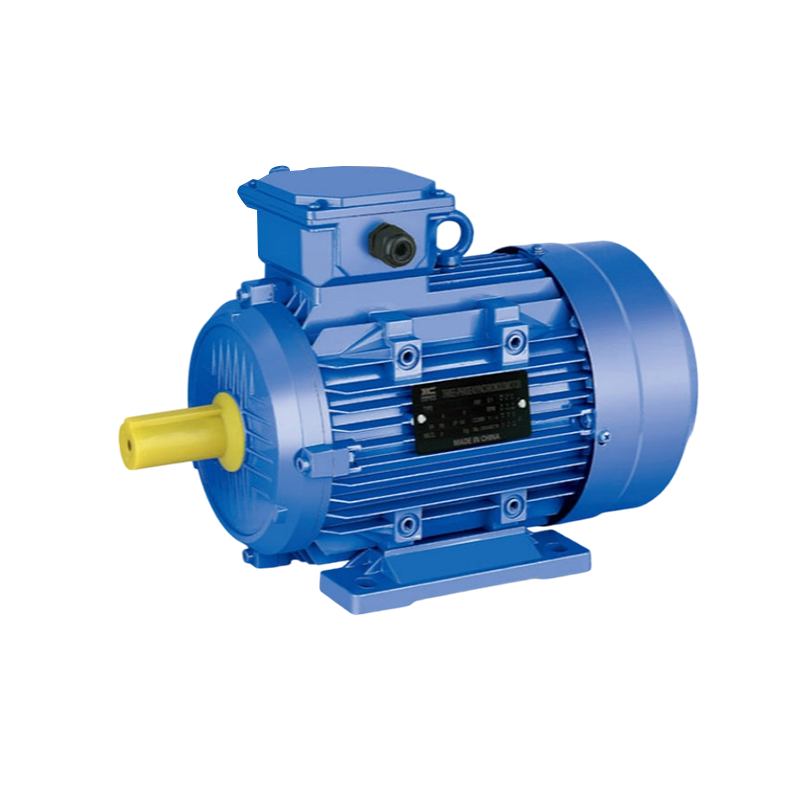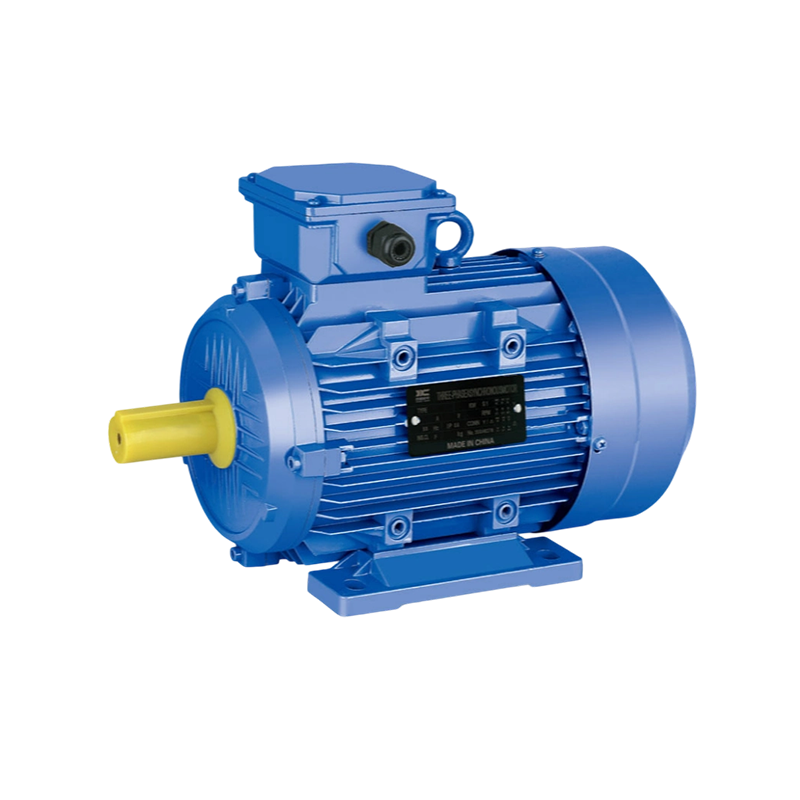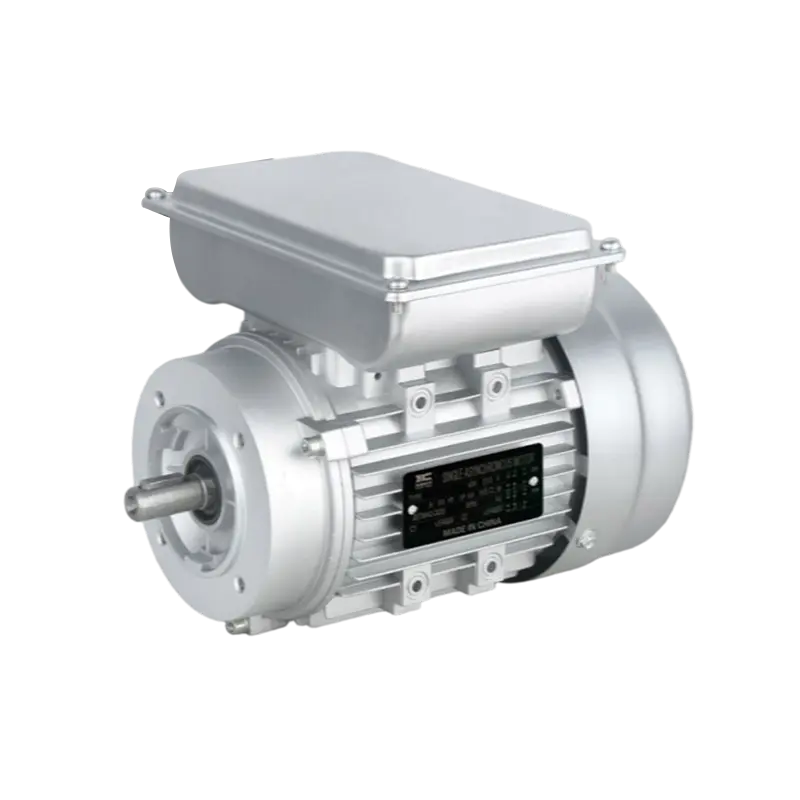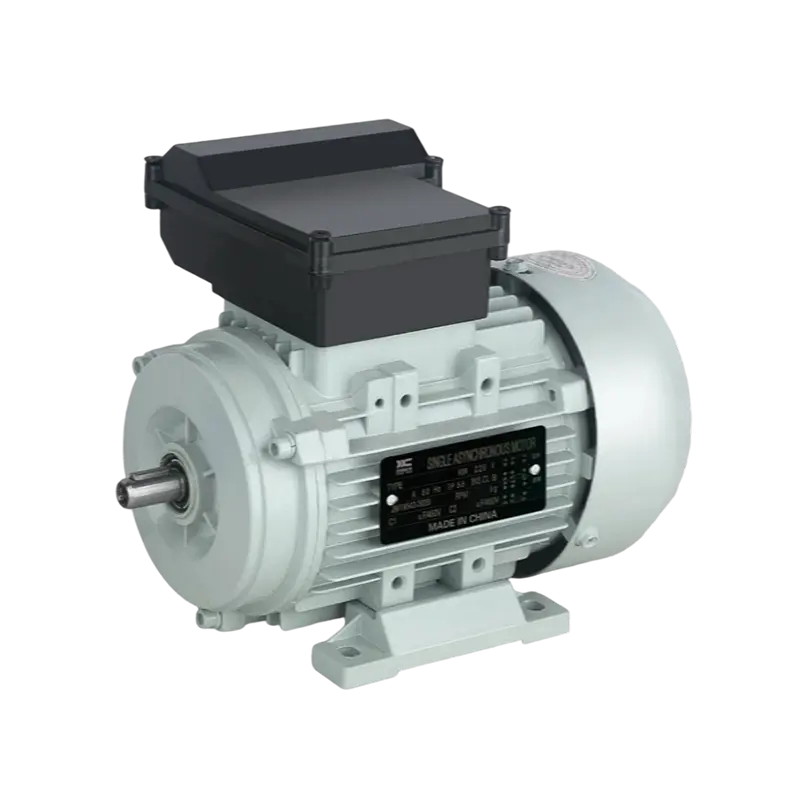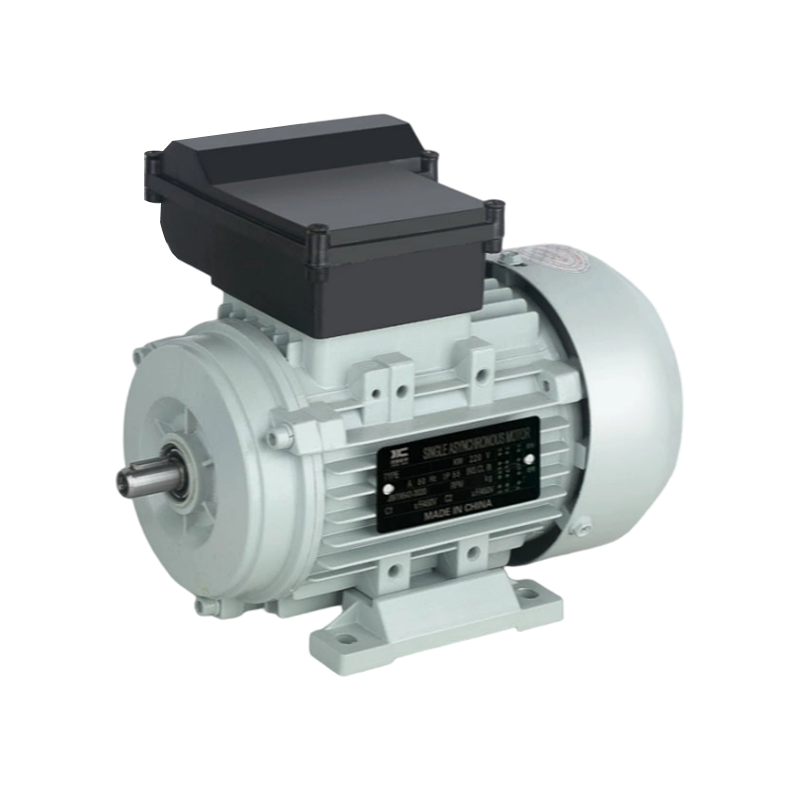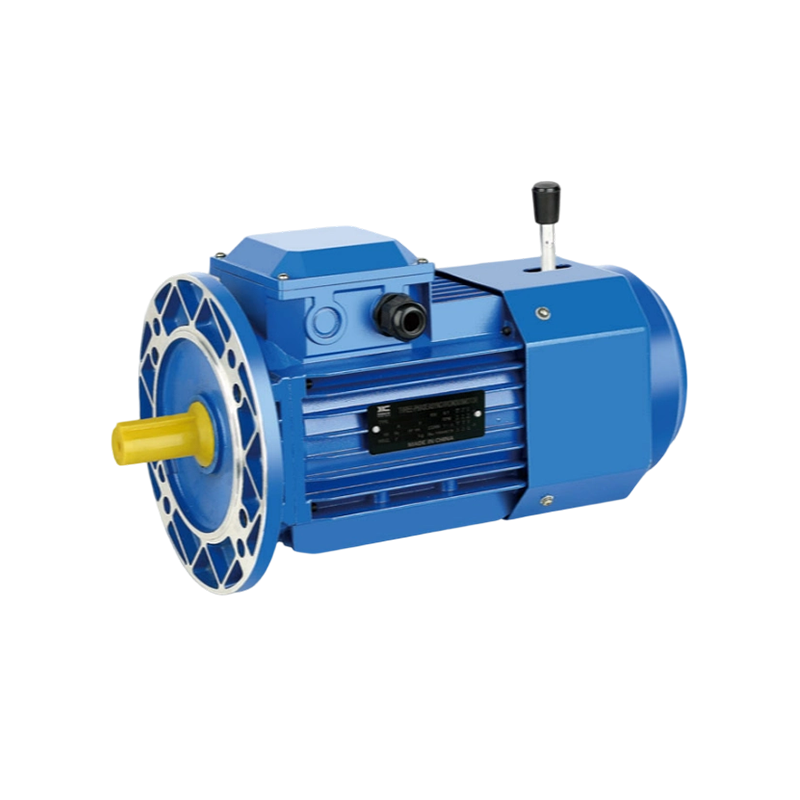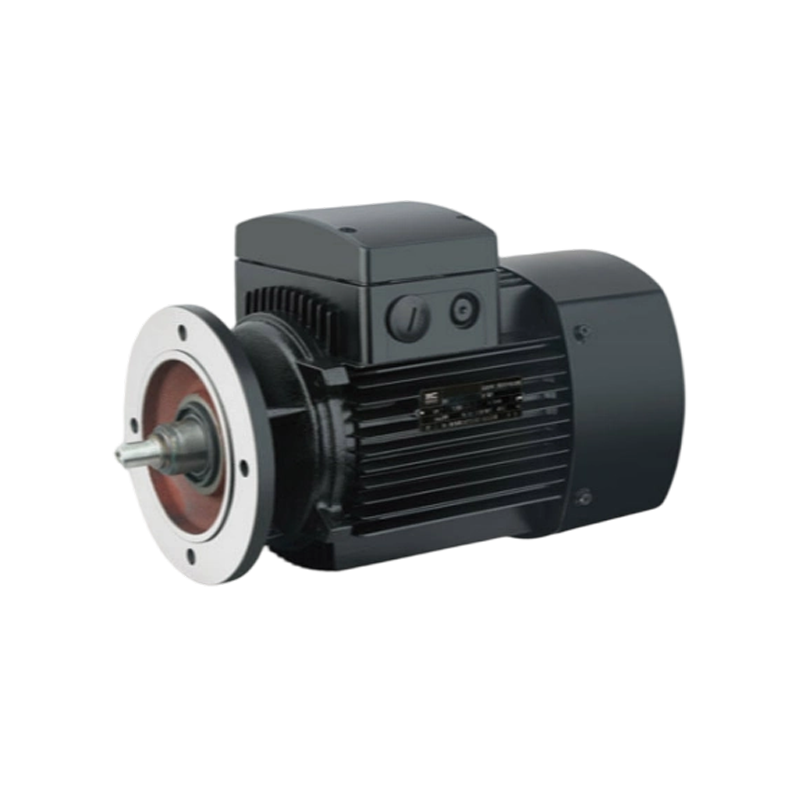

Motor temperature management has always been a key factor affecting reliability, service life, and operating stability. As industrial equipment becomes more compact and power density continues to increase, the housing material of a motor is receiving more attention. The traditional cast iron frame has been widely used for decades, but aluminum structures are changing how engineers approach heat dissipation and mechanical design.
The development of the aluminum housing three phase asynchronous motor reflects this shift. By replacing traditional housing materials with aluminum alloy, manufacturers aim to achieve lighter structures, improved heat transfer paths, and more flexible installation solutions. Thermal performance, however, depends on multiple factors including motor size, cooling method, load condition, and insulation design. Research on three-phase induction motors shows that changing frame materials and fin structures can significantly influence internal temperature distribution.
The motor housing works as more than a protective shell. It acts as a heat transfer channel that moves thermal energy from internal components toward the surrounding environment.
Compared with cast iron structures, aluminum alloy frames generally provide better heat conduction characteristics. Thermal analysis of induction motors has shown that aluminum frame designs can reduce motor temperature under certain structural conditions. The effect depends on fin geometry, ventilation design, and operating parameters rather than material choice alone.
One major reason engineers explore aluminum housings is the possibility of achieving higher output within a smaller physical package. Improved thermal management allows designers to better utilize winding capacity while maintaining acceptable temperature levels.
A typical aluminum housing three-phase asynchronous motor may cover power ranges from small industrial drives to medium-duty applications. Common specifications include 0.12 kW to around 18.5 kW ratings, frame sizes around H63 to H160, IP55 or higher protection levels, and insulation classes such as F or H depending on the design requirements.
Although aluminum improves heat transfer, it does not automatically solve every thermal challenge. Motor temperature is influenced by copper losses, iron losses, mechanical friction, ambient conditions, and ventilation efficiency.
A totally enclosed fan-cooled structure, commonly known as IC411 cooling, remains widely used for aluminum-frame asynchronous motors. The external fan, housing fins, and internal thermal paths work together to maintain operating temperature. Many commercial aluminum housing motor designs use this cooling method for continuous-duty operation.
Industrial motors often operate for many hours without interruption. Continuous duty places additional pressure on insulation systems because repeated heating and cooling cycles accelerate material aging.
Applications such as pumps, fans, compressors, conveyors, and automation equipment often benefit from these characteristics. These systems usually require reliable rotation over long operating periods rather than extremely high starting loads.
While aluminum housing offers advantages, it does not completely replace cast iron designs. Different applications require different mechanical and thermal characteristics.
Some motor series use aluminum housings for smaller frame sizes while adopting cast iron structures for larger models. This approach balances weight, strength, and thermal performance according to application requirements.
Thermal performance is only one part of motor design. Housing material also influences vibration behavior and mechanical stability. Aluminum alloy provides lightweight advantages, but engineers must carefully design bearing supports, mounting structures, and frame stiffness.
The move toward aluminum housing reflects broader trends in industrial equipment: smaller size, improved efficiency, and easier integration. As machinery becomes more compact, thermal management becomes a design priority rather than an afterthought.
The aluminum housing three phase asynchronous motor is not simply a lighter version of traditional induction motors. Its value comes from combining improved heat transfer, compact construction, and flexible application possibilities.
Aluminum housing is changing thermal limits by providing engineers with more options for managing heat, but the final performance still depends on the complete motor system. Proper electromagnetic design, cooling structure, insulation selection, and operating conditions remain essential factors in achieving reliable performance.
Your email address will not be published. Required fields are marked*
We aim to provide the market and the customers with
high-quality products and customized solutions.
 Zhaoyang Industrial Zone, Daxi Town, Wenling City, Taizhou City, Zhejiang Province, China
 +86-13615760288
  +86-576-86398088


 English
 中文简体
中文简体 русский
 Español