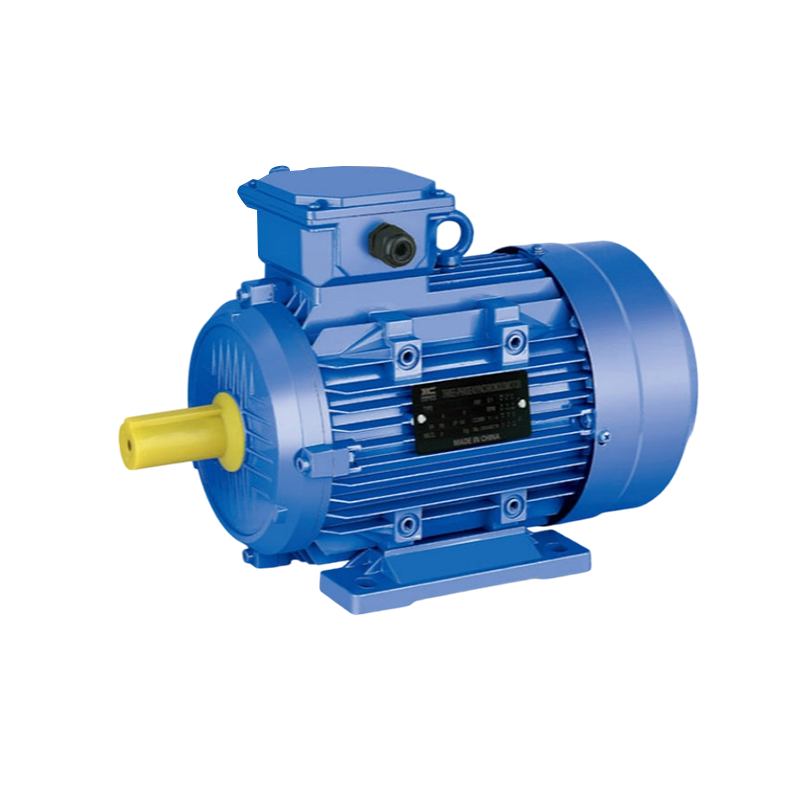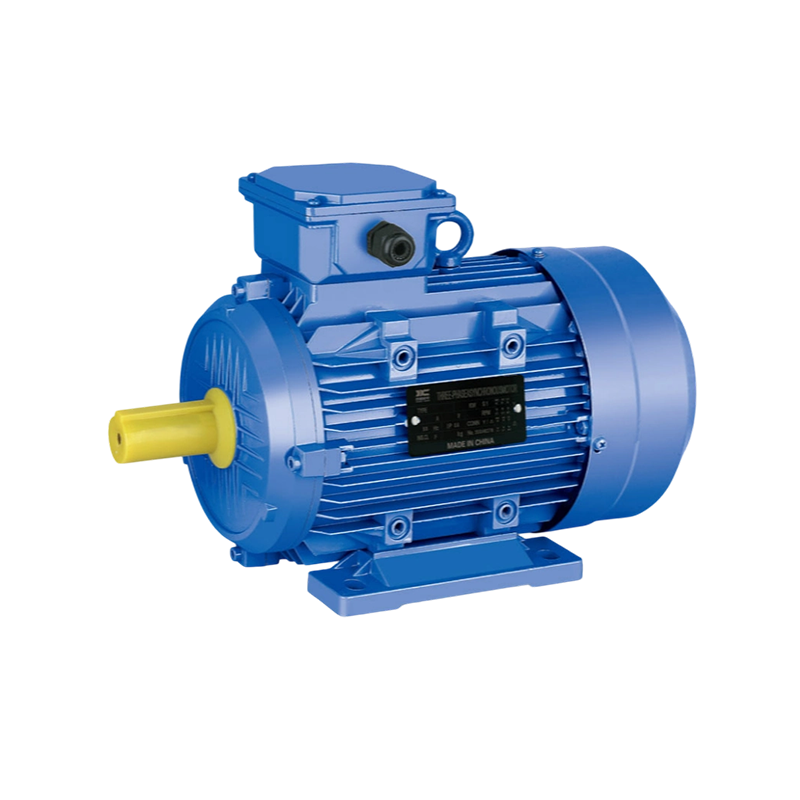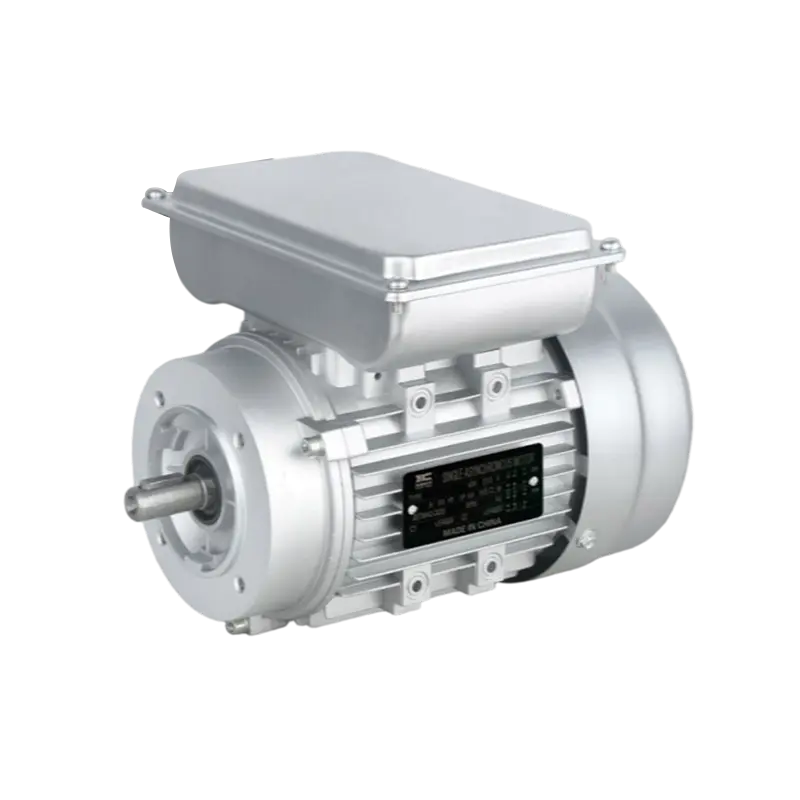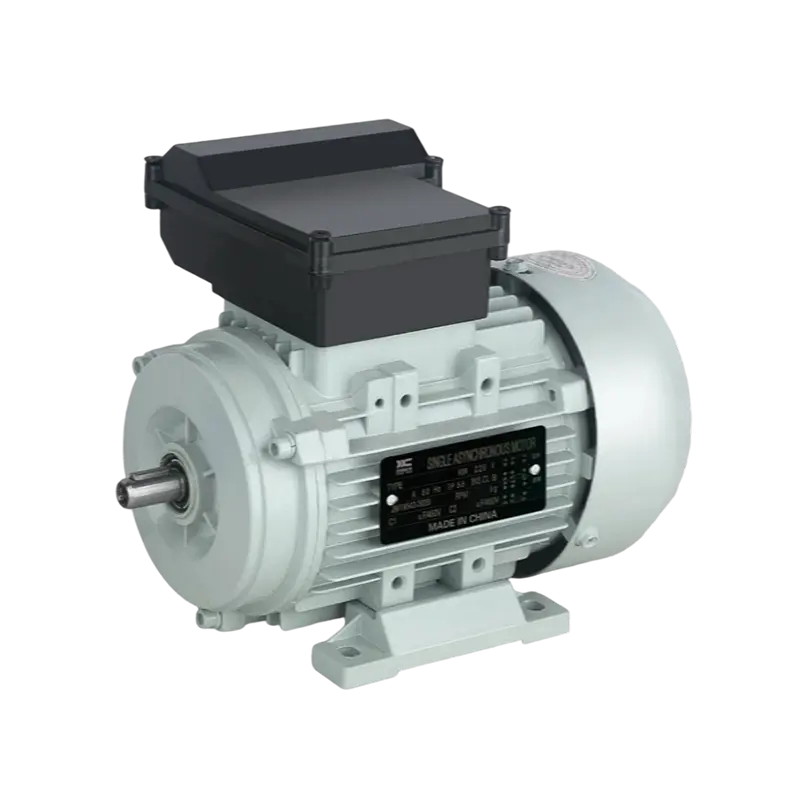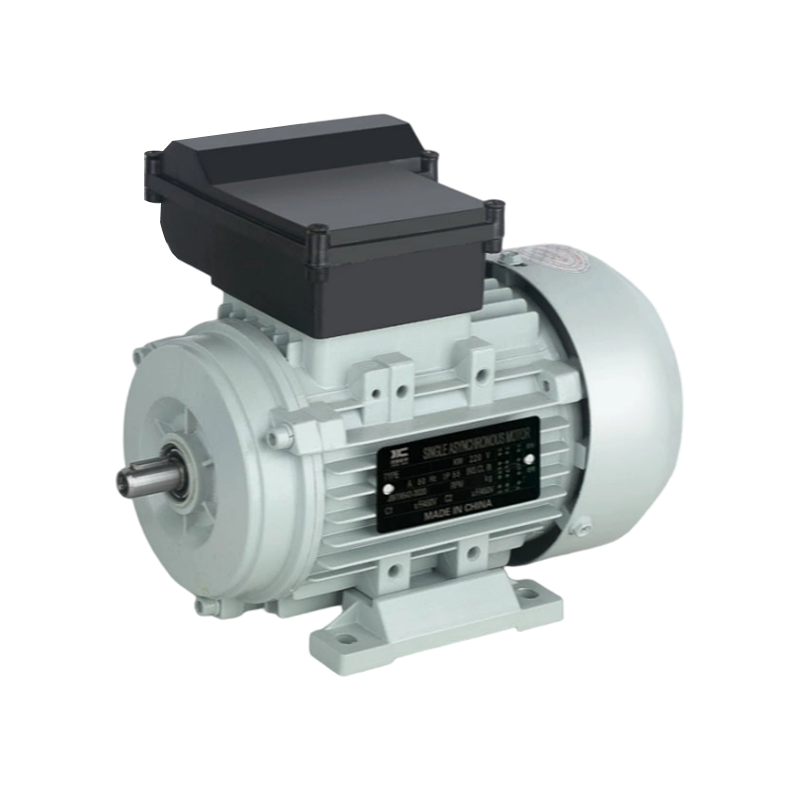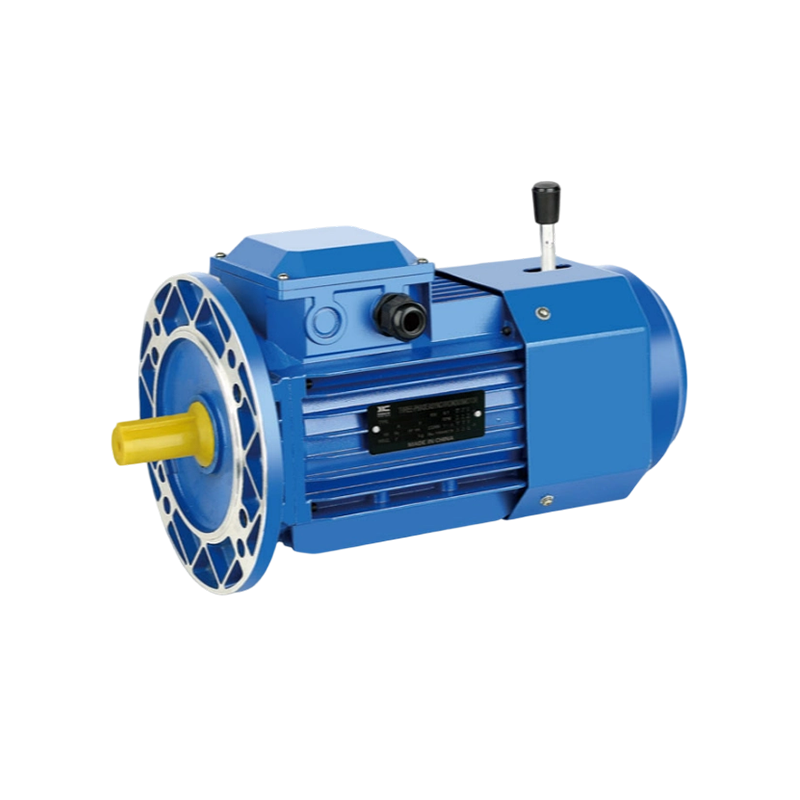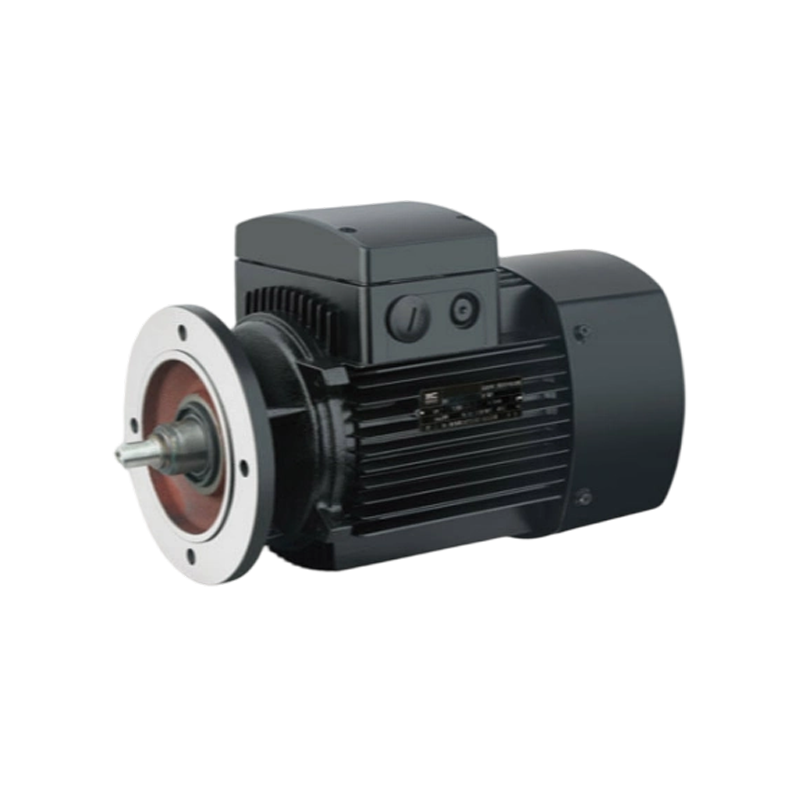

The main advantages of a brushless motor controller include low electromagnetic interference, low noise, smooth operation, and long service life. Its basic structural components consist of the front cover, middle housing, rear cover, magnet, silicon steel sheets, shaft, and bearings. The following provides a detailed explanation.
By eliminating brushes, brushless motors avoid electrical sparks generated during operation. This significantly reduces electromagnetic interference, especially to nearby electronic and radio equipment.
Without brushes, friction during operation is greatly reduced. As a result, brushless motors run more smoothly and generate much lower noise, which is particularly beneficial for applications requiring stable and quiet performance.
Since there are no brushes to wear out, mechanical wear in brushless motors mainly occurs in the bearings. From a mechanical perspective, brushless motors are nearly maintenance-free, typically requiring only occasional cleaning. This reliability has greatly contributed to their widespread adoption across various applications.
Your email address will not be published. Required fields are marked*
We aim to provide the market and the customers with
high-quality products and customized solutions.
 Zhaoyang Industrial Zone, Daxi Town, Wenling City, Taizhou City, Zhejiang Province, China
 +86-13615760288
  +86-576-86398088


 English
 中文简体
中文简体 русский
 Español