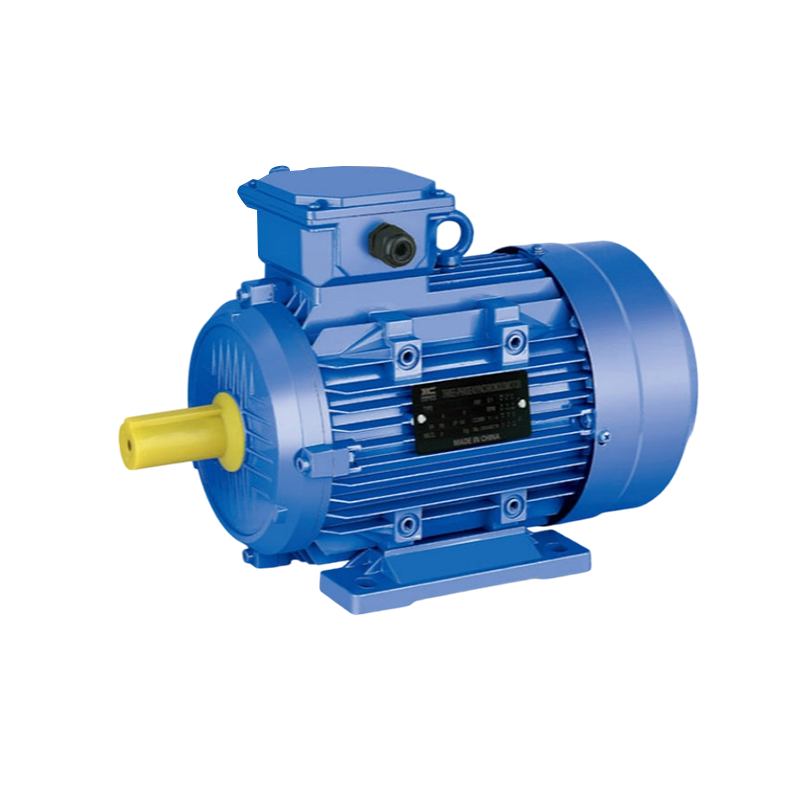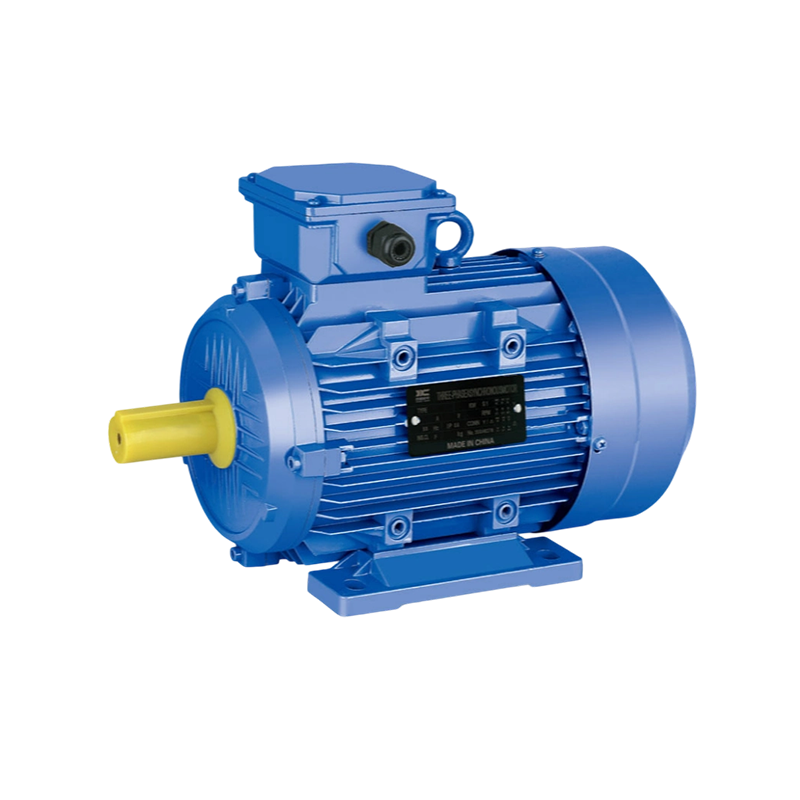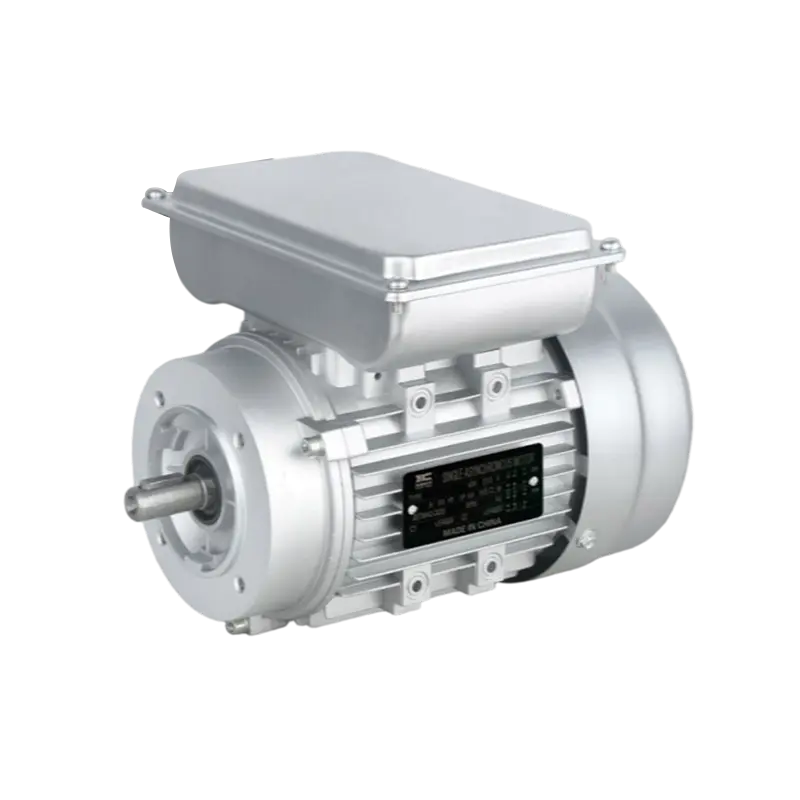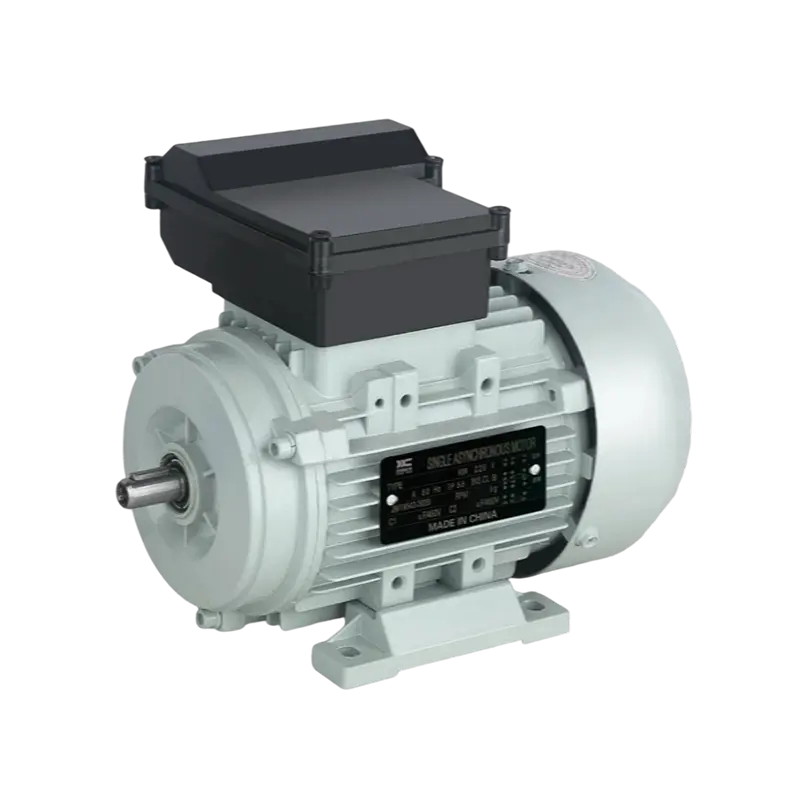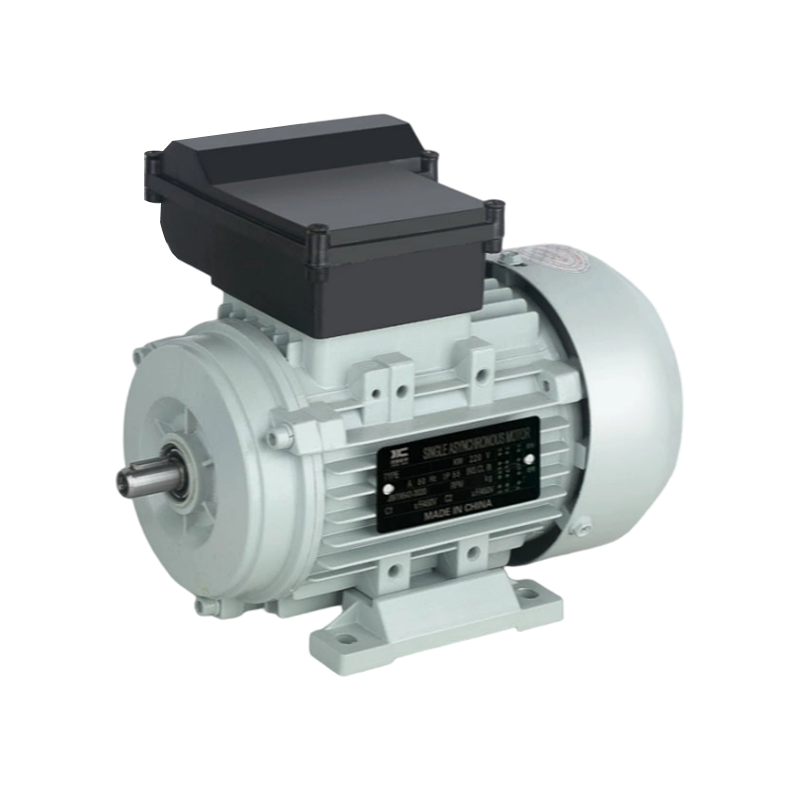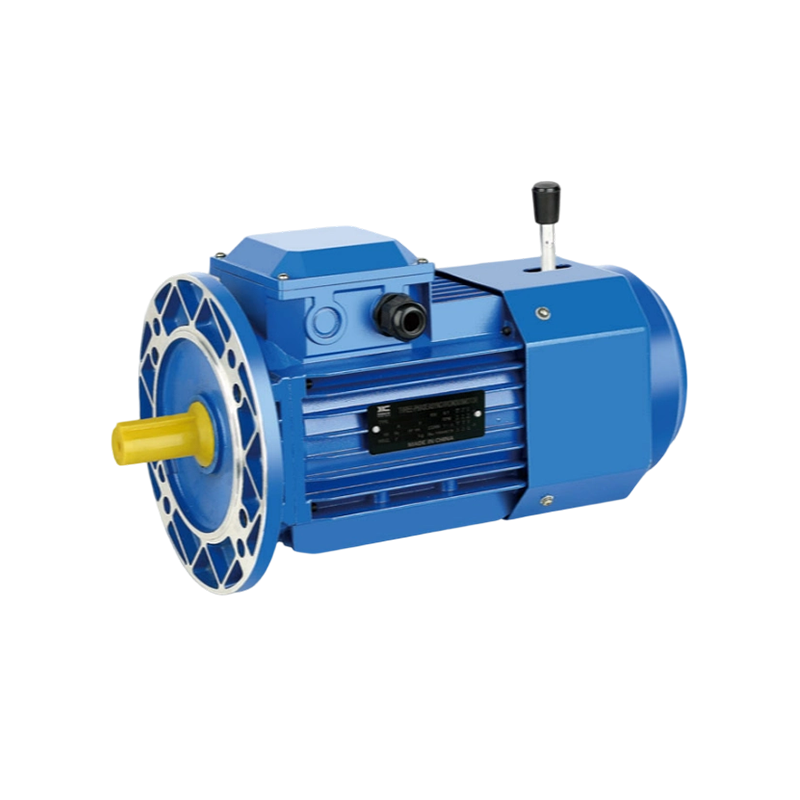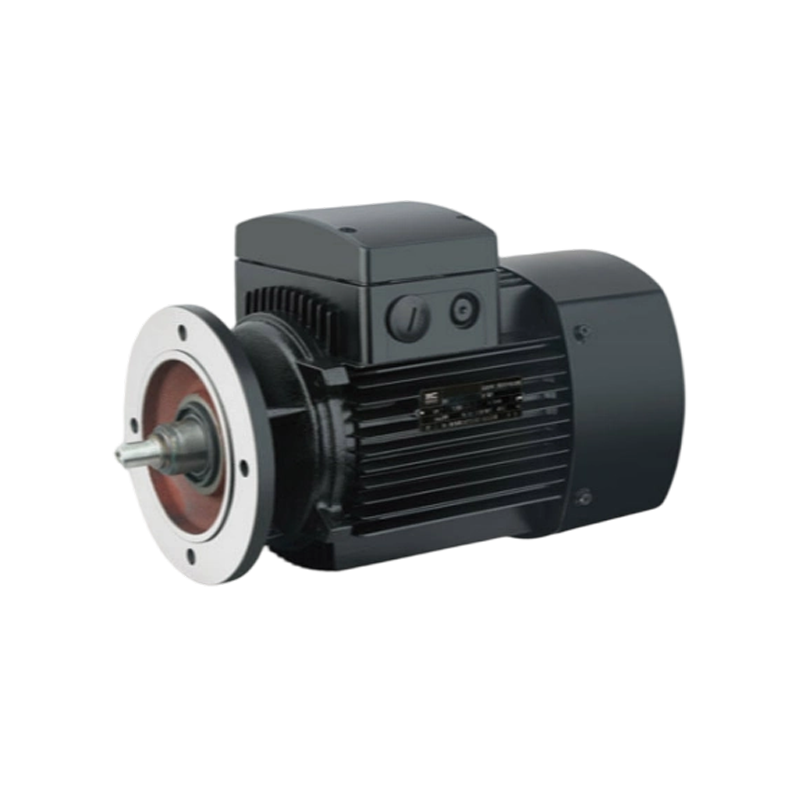

The front cover, middle housing, and rear cover mainly serve as the structural components of the brushless motor, forming its overall framework. In outer-rotor brushless motors, the housing also functions as part of the magnetic circuit and therefore must be made of magnetically conductive material. In contrast, the housing of an inner-rotor motor serves only a structural purpose and is not restricted in material selection. However, inner-rotor motors include an additional rotor iron core, which also acts as part of the magnetic circuit.
The magnet is mounted on the rotor and is a key component of a brushless motor. Most performance parameters—such as power, speed, and torque—are closely related to the properties of the magnet.
Silicon steel sheets are essential components in slotted brushless motors. Slotless motors do not use silicon steel sheets; however, most brushless motors currently on the market are slotted. The primary function of silicon steel sheets is to reduce magnetic resistance and support efficient operation of the magnetic circuit.
The shaft is the main load-bearing component of the motor rotor. Its strength and hardness must meet the requirements of high-speed rotation and torque transmission.
Bearings ensure smooth and stable motor operation. They are generally classified into sliding bearings and rolling bearings. Rolling bearings include deep groove ball bearings, needle bearings, angular contact bearings, and others. At present, most brushless motors commonly use deep groove ball bearings.
Your email address will not be published. Required fields are marked*
We aim to provide the market and the customers with
high-quality products and customized solutions.
 Zhaoyang Industrial Zone, Daxi Town, Wenling City, Taizhou City, Zhejiang Province, China
 +86-13615760288
  +86-576-86398088


 English
 中文简体
中文简体 русский
 Español