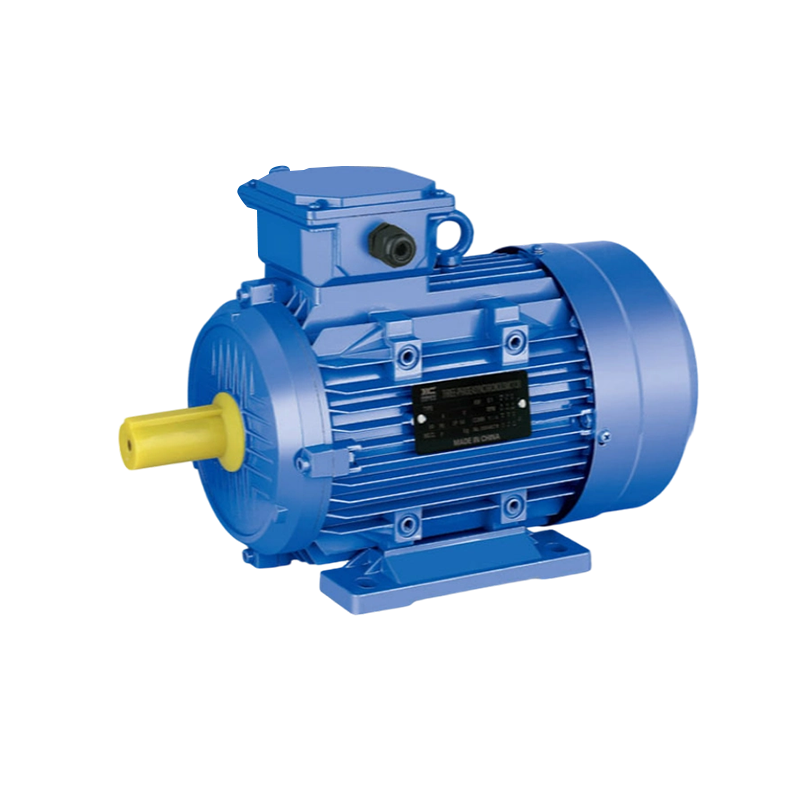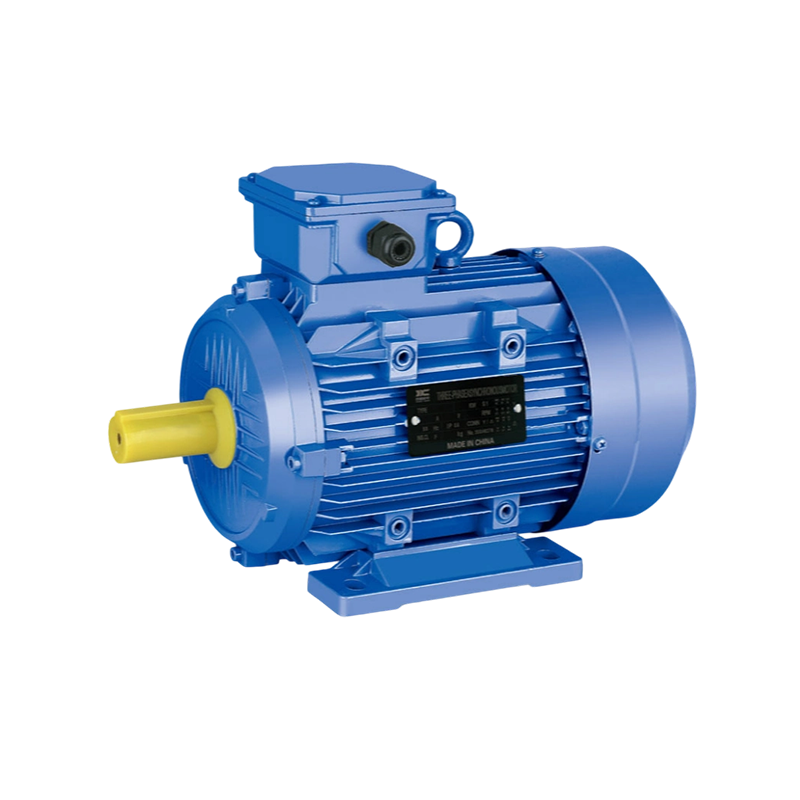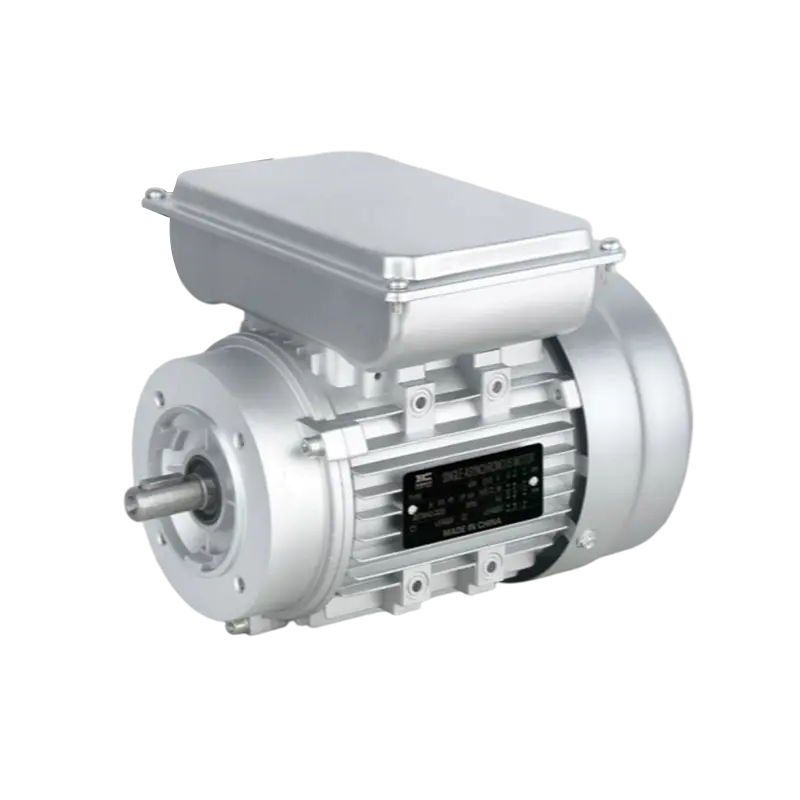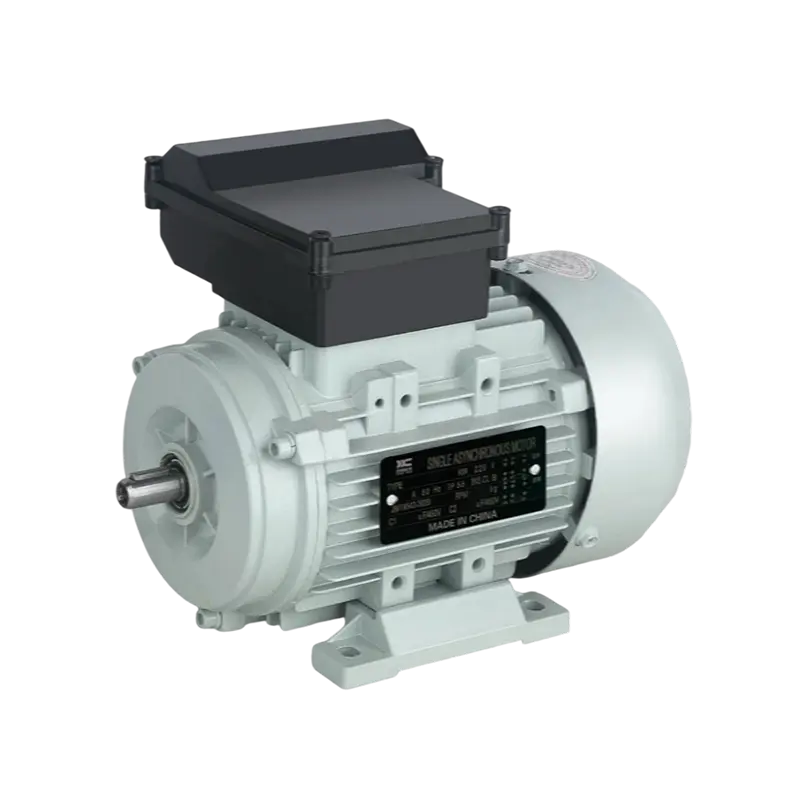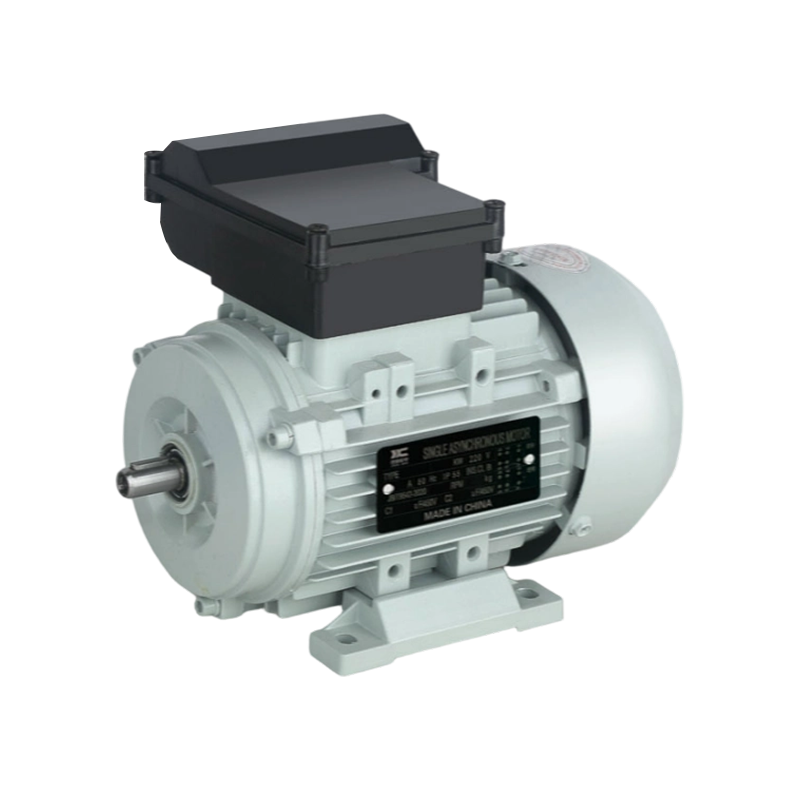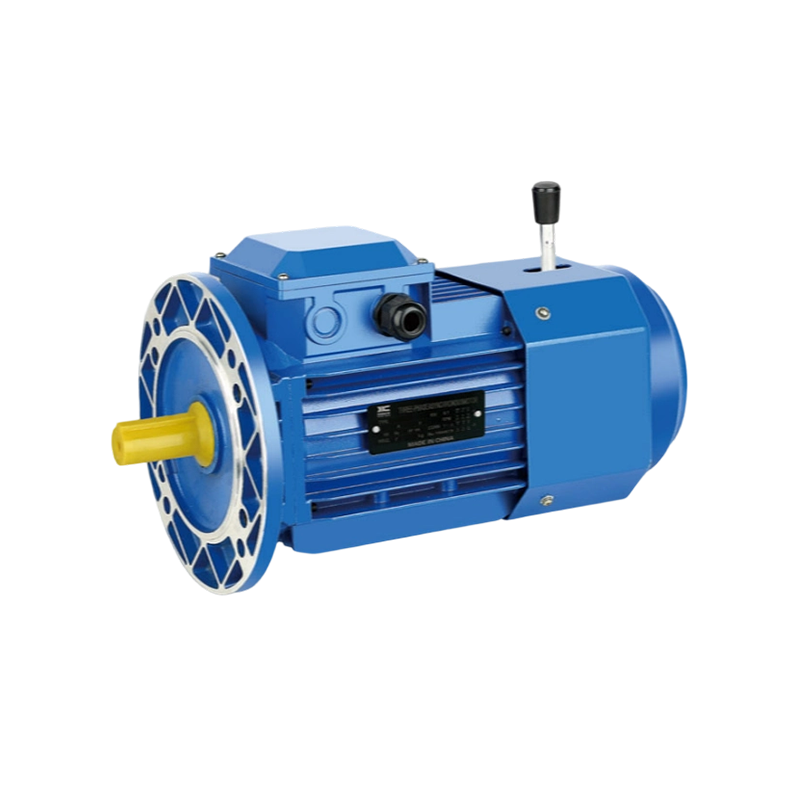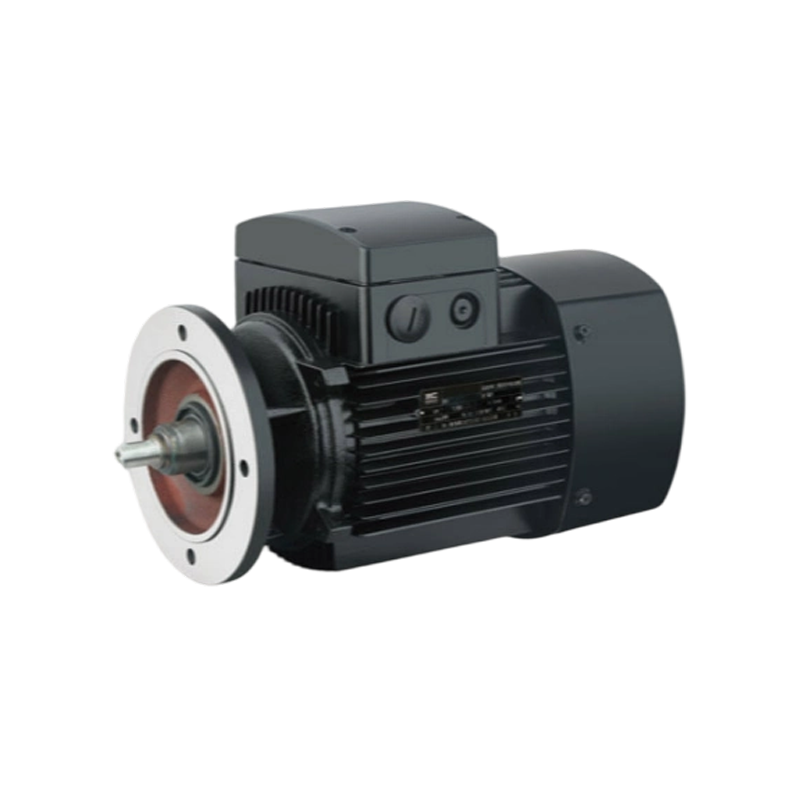

OEM manufacturers often face a practical decision during motor procurement: should they purchase a standard model or request a customized configuration? Standard motors can simplify purchasing and reduce engineering work, but compatibility depends on the equipment design, electrical supply, installation space, and operating conditions. A motor that appears suitable on a datasheet may still require modifications before it can be integrated into a finished machine.
At Lixiang, we encourage OEM buyers to evaluate the complete application before confirming a motor order. A capacitor run asynchronous motor may suit equipment requiring single-phase AC operation, provided its electrical and mechanical specifications match the intended application. The following considerations can help purchasing teams decide whether a standard model meets their project requirements.
Standard motors are useful for OEM projects with established specifications and repeatable installation requirements. Existing designs can simplify technical communication because the rated characteristics and mounting dimensions are already defined.
However, a standard model should not be approved solely because its rated power matches the machine. The required torque, operating speed, duty cycle, and installation conditions must also be reviewed.
Electrical specifications determine whether the proposed motor can operate under the customer's available power supply and workload. Buyers should provide the manufacturer with a clear set of requirements rather than relying on a general product description.
Capacitor-run designs maintain a run capacitor in the auxiliary winding circuit during operation. The appropriate capacitance depends on the motor design and supply conditions. Buyers should follow the manufacturer's specifications instead of substituting capacitors based on appearance or physical dimensions.
Electrical compatibility does not guarantee that a standard motor will fit the customer's equipment. Mechanical interfaces should be confirmed before the quotation is approved.
For OEM equipment with a fixed housing or limited assembly space, even a small dimensional difference can require design changes. At Lixiang, we recommend sharing dimensional drawings or reference measurements during the inquiry stage so that the proposed configuration can be reviewed before production approval.
A standard motor may have a lower initial purchase cost because it uses an established design. Nevertheless, a lower unit price does not automatically represent a lower project cost if the motor requires additional brackets, wiring changes, adapters, or modifications to the customer's machine.
OEM purchasing teams should compare the following factors:
A standard model is a sensible option when it satisfies the technical requirements without unnecessary modifications. Customization deserves consideration when a critical interface, performance requirement, or installation condition cannot be addressed by the available standard configuration.
Before moving into production, buyers should document the agreed motor specification and establish how compliance will be verified. This step helps prevent misunderstandings between purchasing, engineering, and manufacturing teams.
Testing should reflect the intended application and the requirements agreed with the manufacturer. Relevant checks may include current, speed, insulation performance, operating temperature, and mechanical fit, depending on the motor design and project specification.
Standard motors can be suitable for OEM projects when their electrical ratings, mechanical dimensions, and operating characteristics match the target equipment. They can simplify procurement and reduce unnecessary engineering work, while customized configurations may be appropriate for applications with specific interface or performance requirements.
At Lixiang, we recommend beginning each inquiry with a clear description of the equipment, operating conditions, and required motor specifications. By reviewing the datasheet, confirming installation dimensions, comparing the full project cost, and agreeing on validation requirements, OEM buyers can make a more informed decision between standard and customized motor solutions.
Your email address will not be published. Required fields are marked*
We aim to provide the market and the customers with
high-quality products and customized solutions.
 Zhaoyang Industrial Zone, Daxi Town, Wenling City, Taizhou City, Zhejiang Province, China
 +86-13615760288
 +86-576-86398088


 English
 中文简体
 русский
 Español